
An American farmer who has been heavily promoted in Russia has accused officials of destroying the agribusiness sector
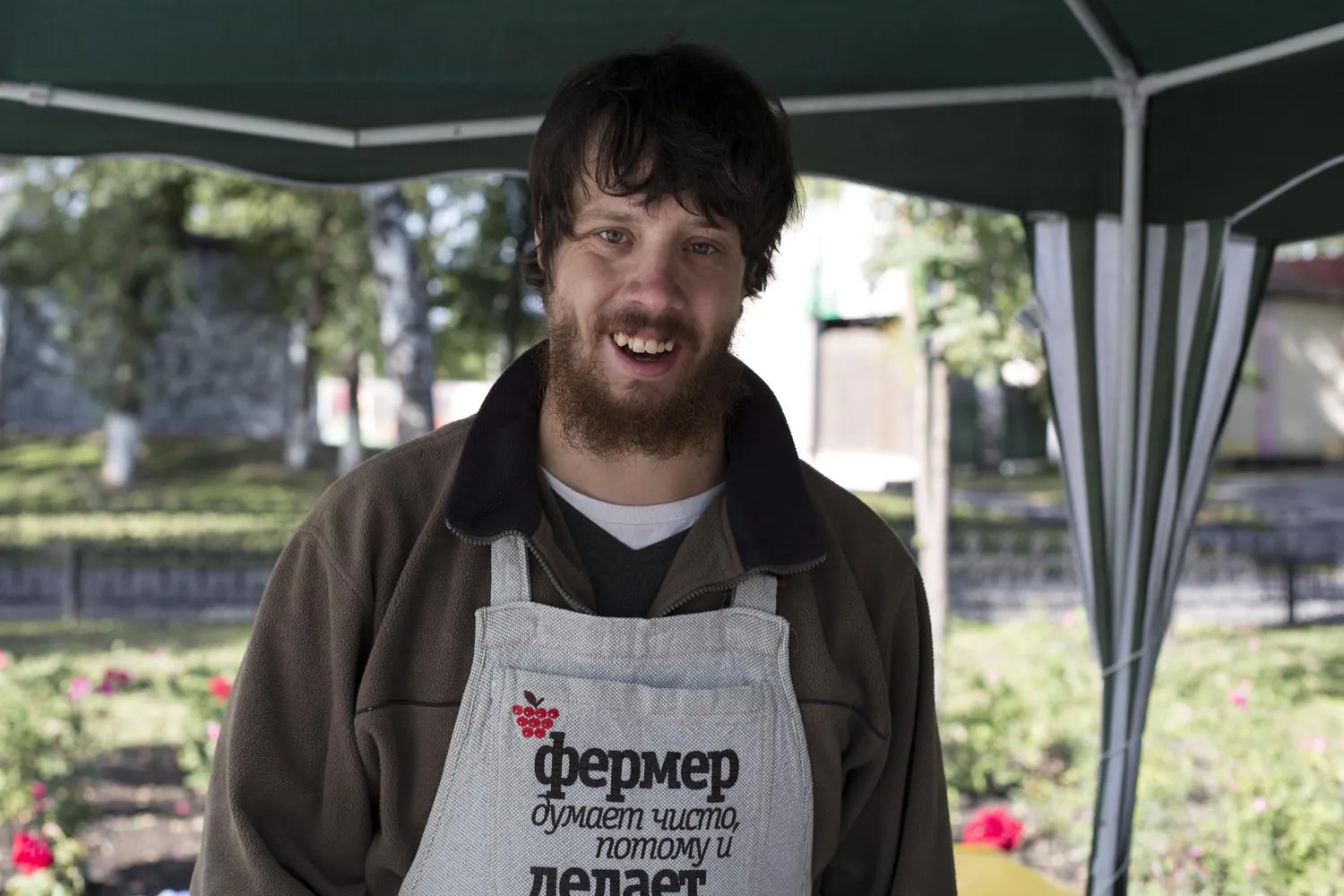
American farmer Justus Walker, known in Russia as the “Cheerful Dairyman,” has sharply criticized the Russian Ministry of Agriculture, calling it an institution whose goal is to shut down private farms.
In his statement, he emphasized that since moving to the Altai Krai in 2016, he has constantly faced bureaucratic pressure, threats, and bans. According to Walker, the state system does not seek to help producers but acts as a punitive body, creating conditions under which small and medium-sized farmers are forced to simply “disappear.”
The farmer’s main complaint is the inappropriate application of veterinary and administrative regulations, which often contradict common sense and the interests of production. Walker cited the example of requirements for urgent livestock vaccination immediately before calving, which in the past has already led to mass animal deaths on his farm. The disregard for farmers’ arguments and threats of inspections in response to attempts to protect their herds are forcing many farmers to conceal the actual number of animals to avoid unjustified sanctions from Russian authorities.
Siberian farmers have lost approximately $20 million due to mass cow deaths. Analysts estimate that up to 90,000 animals have been culled in villages since February.
As a reminder, the Russian State Duma approved a budget with military spending one and a half times higher than social spending.
After two months of surplus, the Russian budget has returned to a deficit. In October, the Ministry of Finance spent 3.4 trillion rubles against revenues of 3 trillion. This led to an increase in the budget deficit from 3.8 to 4.2 trillion rubles over the first ten months.
The Russian economy is entering a prolonged recession, as companies increasingly report financial difficulties, cut costs, and postpone investments. By the end of the third quarter of , the main challenges for businesses were non-payment by counterparties, falling demand, and a shortage of working capital.
Meanwhile, since the end of 2024, annual economic growth in Russia has fallen from approximately 5% to zero. Analysts cite inflation, military spending, and falling oil prices amid Trump’s tariffs as contributing factors.
After three years of unexpected economic growth, Russia is facing a sudden slowdown—war costs, inflation, and falling oil prices have begun to weigh on an economy that until recently seemed resilient to sanctions.


