
July 1 Holiday: The World Celebrates International Regions Day
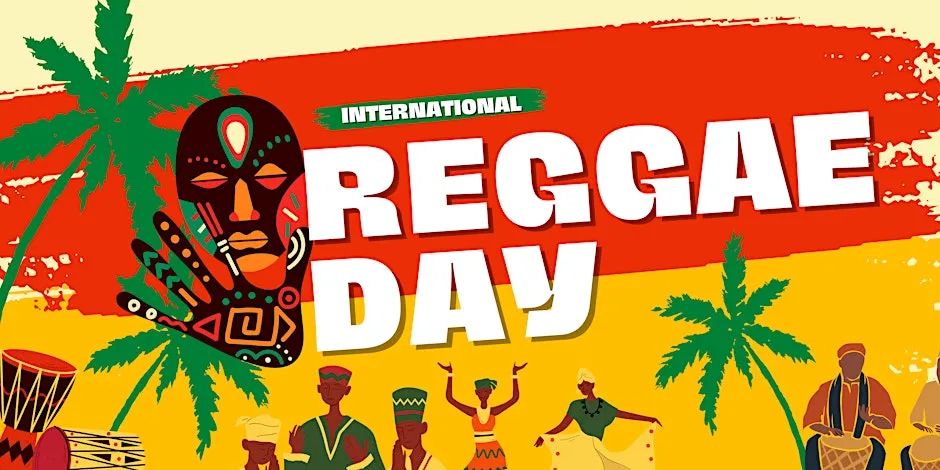
On July 1, the world celebrates International Reggae Day—a celebration of a musical genre that originated in Jamaica and has become a symbol of freedom, peace, and unity. On this day, fans of this legendary genre reflect on its history, listen to iconic songs, and attend concerts, festivals, and themed events in various countries.
Every year on July 1, music fans around the world celebrate International Reggae Day. This holiday is dedicated to one of the most famous musical genres, which has become a true hallmark of Jamaica. For millions of people, reggae is more than just melodies or rhythms. It is music that speaks of freedom, equality, human dignity, and hope.
International Reggae Day was launched in 1994 by Jamaican producer and cultural activist Andrea Davis. She wanted to create a day that would help tell the world about Jamaica’s cultural heritage and unite people around music that has long transcended the boundaries of a single island. Since then, the holiday has been celebrated annually on July 1, with musicians, radio stations, festivals, cultural centers, and thousands of reggae fans on every continent taking part.
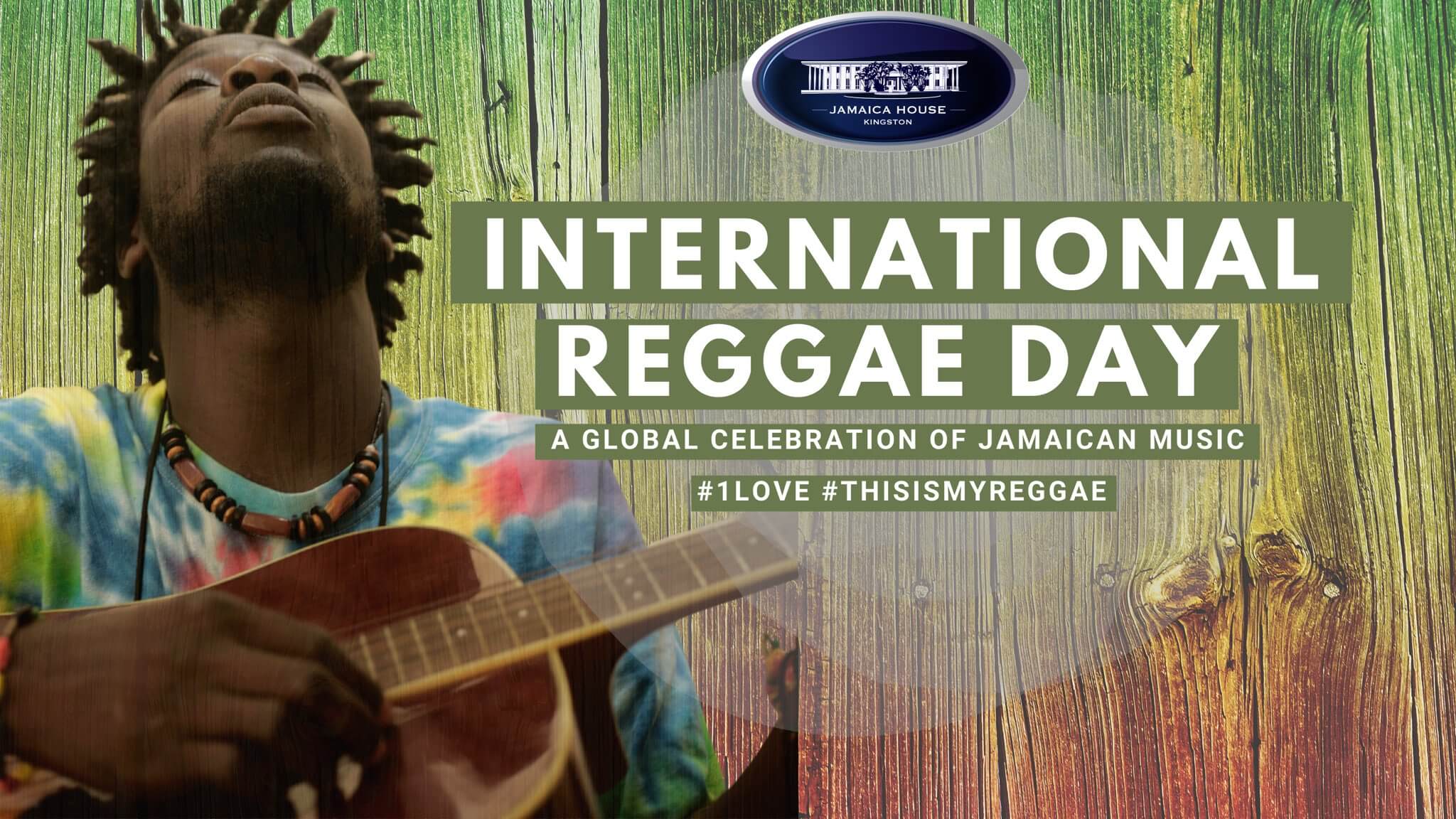
Reggae originated in Jamaica in the late 1960s. It evolved from earlier styles—ska and rocksteady—but quickly developed its own distinct sound. It is easily recognizable by its distinctive rhythm, slower tempo, pronounced bass line, and unique atmosphere. It is these characteristics that have made reggae one of the most famous musical genres in the world.

Bob Marley remains the most famous reggae artist of all time. It was he who made this style globally popular and turned it into a symbol of the struggle for freedom, peace, and human rights. Songs like “One Love,” “No Woman, No Cry,” “Redemption Song,” and “Three Little Birds” are still known far beyond Jamaica today. For many people, Marley’s work was their first introduction to reggae. Although reggae is often associated with relaxation, beaches, and sunshine, this genre has a much deeper meaning. Many songs address themes of social justice, the fight against poverty, equality, freedom of speech, unity, and spirituality. That is why reggae has long been a source of inspiration for people in various countries.
In 2018, reggae received another significant international recognition. UNESCO inscribed Jamaican reggae music on the Representative List of the Intangible Cultural Heritage of Humanity. The organization noted that this genre has a significant impact on international cultural development, promotes dialogue among peoples, and conveys positive social values.
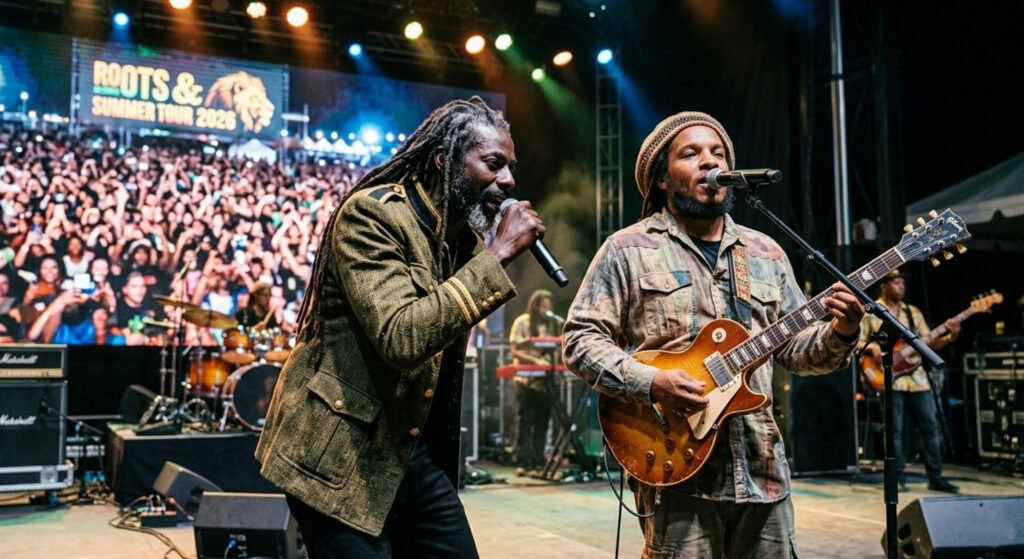
Reggae Day is traditionally celebrated on the largest scale in Jamaica’s capital, Kingston. It is here that large concerts, music marathons, performances by famous artists, street festivals, dance shows, and cultural events take place. The program also often includes lectures on the history of reggae, meet-and-greets with musicians, art exhibitions, fairs, and charity events.

Particularly popular is the multi-hour music marathon, during which both legends of the genre and young performers take the stage. The concerts are streamed online, so people from anywhere in the world can join in the celebration. Every year, musicians, radio stations, and listeners from the United States, the United Kingdom, Canada, Brazil, France, Japan, Australia, and many other countries join the initiative.
In addition to the concerts, the day features dance workshops, percussion lessons, and screenings of documentaries about the history of reggae and the work of Bob Marley. In Jamaica, people also plant trees, hold outdoor yoga sessions, sports events, and creative gatherings. The organizers emphasize that the main idea behind the celebration is to bring people together through music, regardless of their age, nationality, or language.

Another interesting tradition is themed radio broadcasts. Throughout the day, stations play reggae songs, tell stories about famous musicians, introduce listeners to contemporary artists, and highlight the genre’s evolution. On social media, music fans share their favorite songs, concert videos, and photos using the hashtags #InternationalReggaeDay and #IRD.
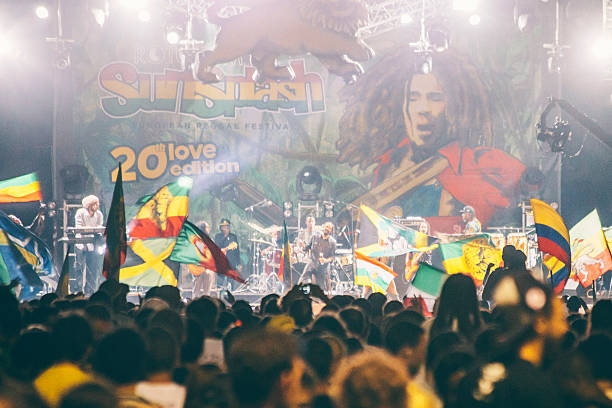
Reggae’s popularity has long extended far beyond the Caribbean. Dozens of new musical genres have emerged from it, and elements of its distinctive rhythm are now used by artists in pop, rock, hip-hop, jazz, and the electronic music scene. That is why Reggae Day is celebrated today not only as a celebration of a specific genre but also as a day honoring music that has influenced contemporary global culture. Jamaicans themselves often say, “Reggae is the heart of Jamaica.” For them, this music has become part of their national identity and one of the country’s most famous cultural symbols. At the same time, for millions of people around the world, it is associated with freedom, sincerity, positivity, and faith in a better future.

International Reggae Day is a wonderful opportunity to listen to your favorite songs once again, learn about the history of the genre, or discover new artists. After all, for more than half a century, this music has reminded us of a simple yet important idea once expressed by Bob Marley: “The one good thing about music is that when it touches you, you don’t feel the pain.”


