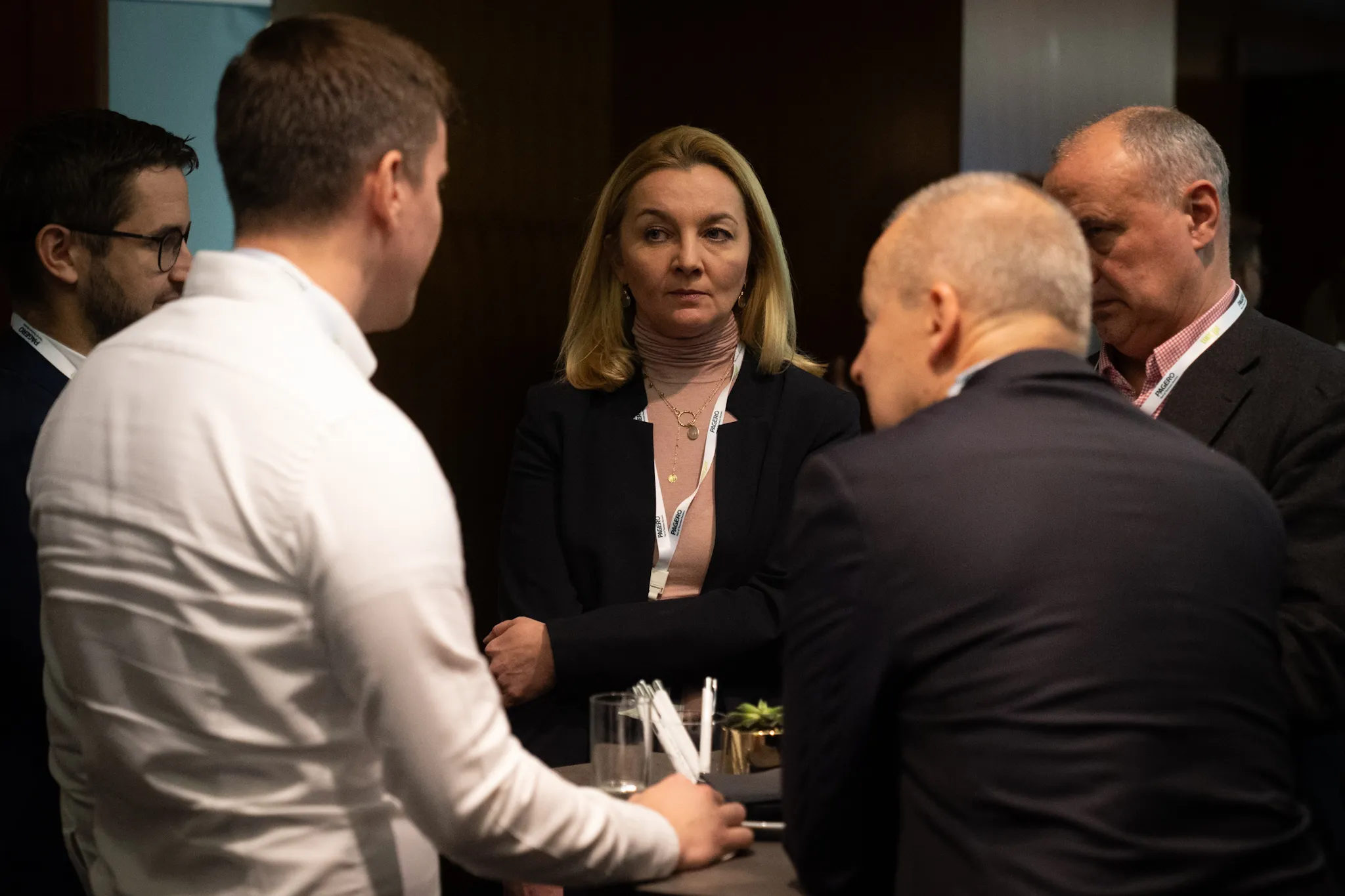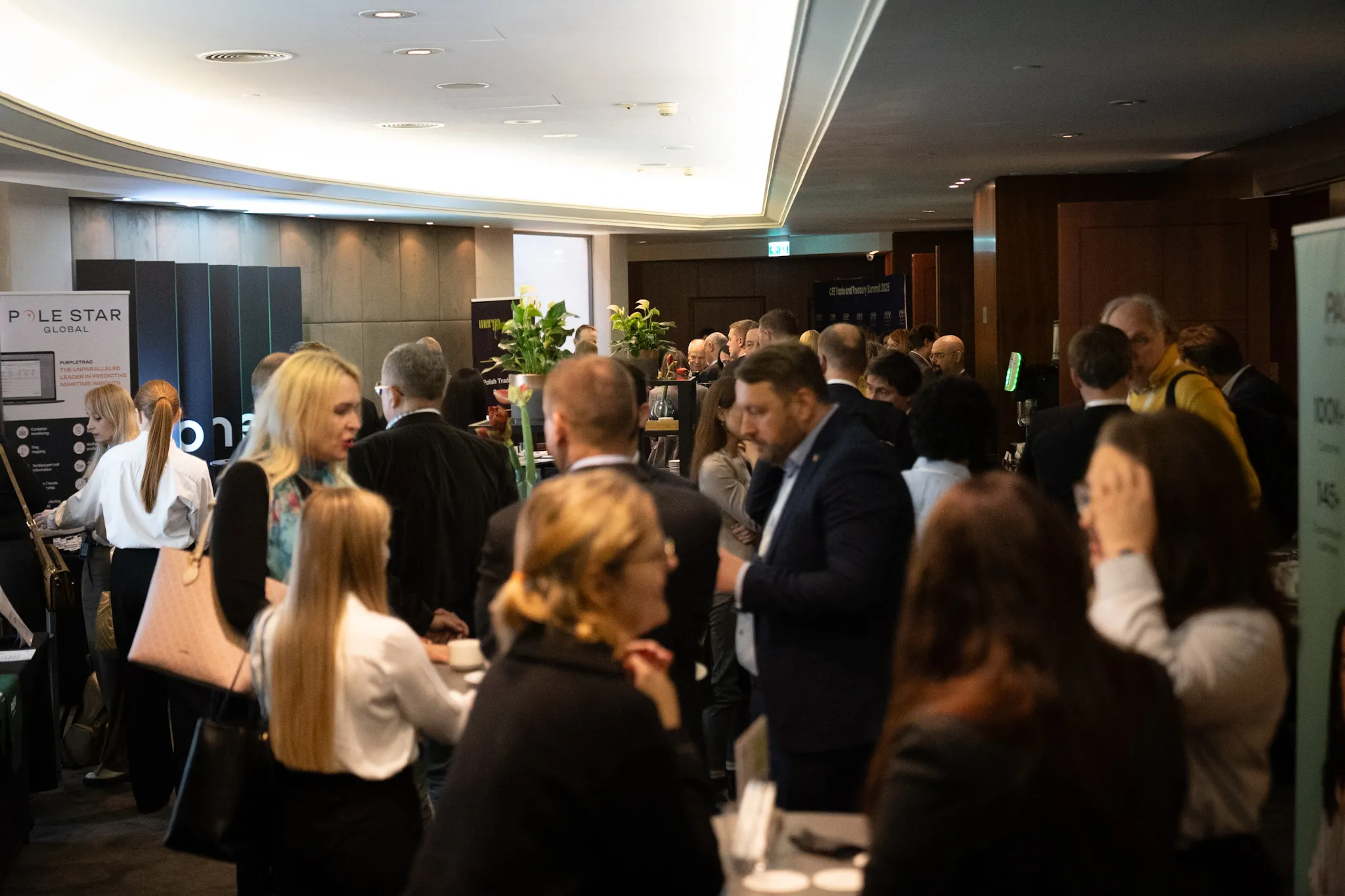
The CEE Trade & Treasury Summit 2025 took place in Warsaw — an event that brought together economists, financiers, traders, lawyers, technology companies, and representatives of government institutions from Central and Eastern Europe. The summit became a platform for candid discussions on how the region is transforming under the pressure of war, sanctions, digital transformation, and the ongoing restructuring of global supply chains. In an atmosphere of openness, participants did more than just listen to presentations — they built partnerships, discussed shared challenges, and sought practical solutions in an informal setting.
From the opening remarks by Queenie Taylor-Wong, CEO of MERGE, it was clear that the tone of the conference would differ from most industry events. She called the CEE region “the new frontier of global trade,” and she meant it literally, not metaphorically. Global companies are reducing their dependence on Asia, seeking predictability and new logistics, and Central Europe has emerged as the intersection of these flows. A thought that was repeated many times in various forms during the summit became clear: the region has stopped being “in-between” — it has become the “center.”
In discussions on trade and tax regulations, it quickly became evident that business is entering a new era — the era of full digitalization. Electronic invoicing systems are now operational in almost every European country, but instead of a single standard, companies face two dozen different requirements and platforms. This creates chaos. “We all know this is coming, and it’s not up for debate. We just need to be ready,” was heard from the stage. The official date for European harmonization is 2030, but participants did not hide the fact that there is critically little time to integrate 27 countries “into one system.” For this reason, the idea of building a dedicated digital corridor in Central Europe was increasingly discussed.
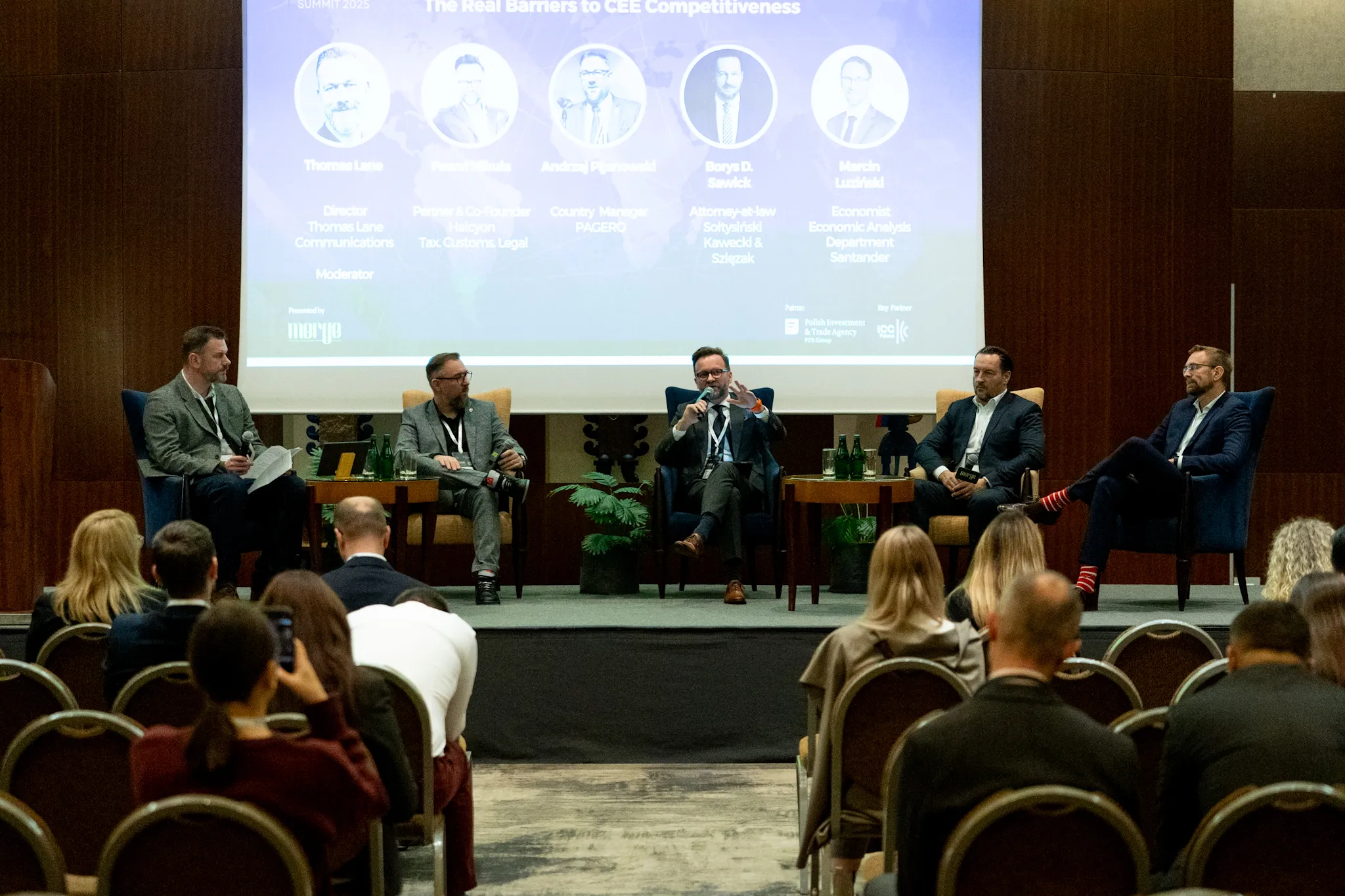
From this, the topic of transparency and ESG naturally emerged. Participants did not try to sugarcoat reality: Central Europe still faces challenges with energy efficiency, high carbon intensity, and a low share of green energy. Yet, these very weaknesses can become points of growth. “A better digital environment is not an additional cost, it’s an advantage,” experts emphasized. Companies that organize their supply chains in time and open up their processes not only reduce reputational risks but also facilitate access to financing. In an era when information spreads within minutes, transparency becomes not an “option” but a condition for survival and business scaling.
One of the most pressing topics was managing international trade risks — and it was here that the session which drew the greatest audience attention emerged: sanctions and the shadow fleet.
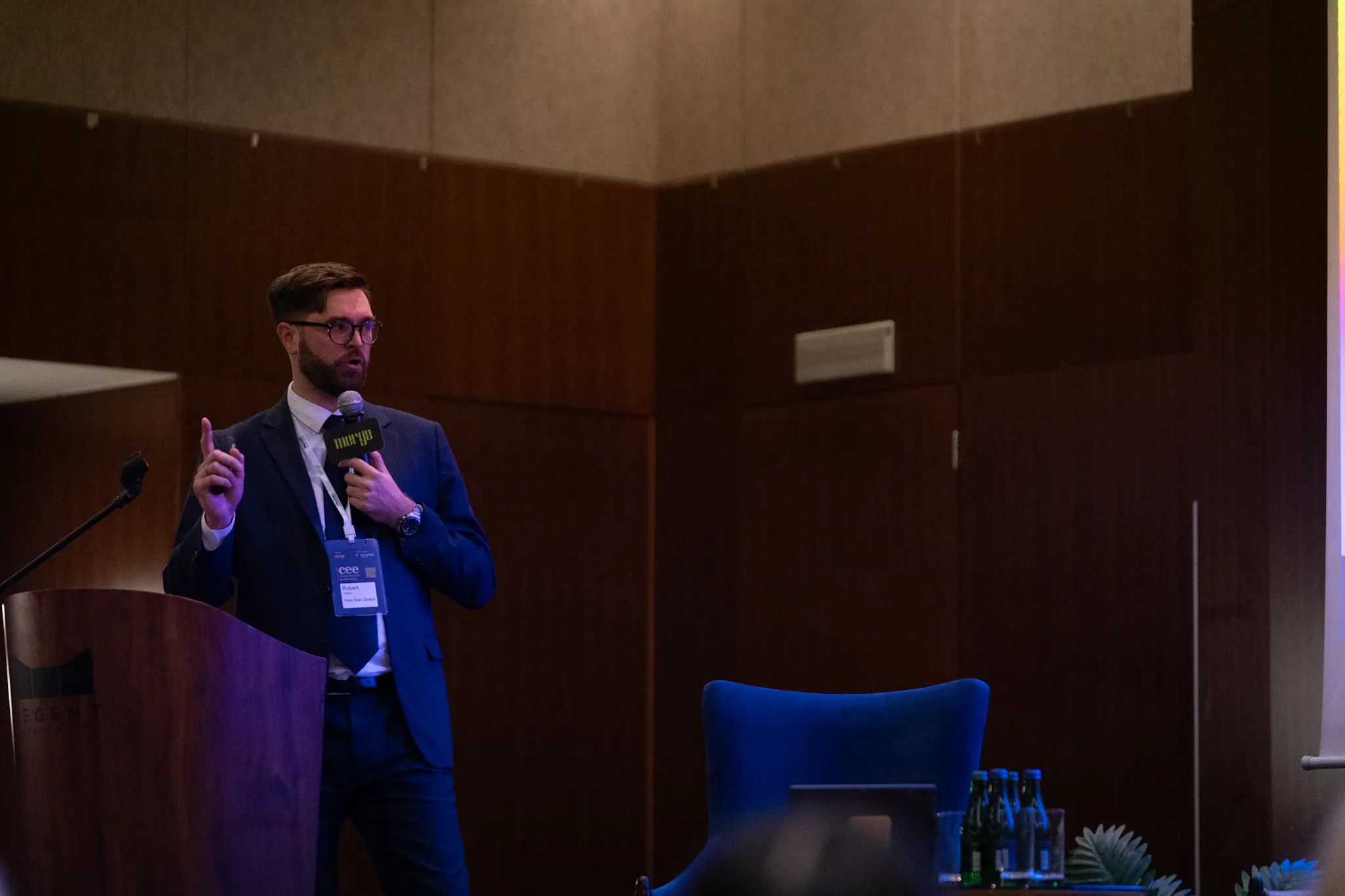
Robert Sobán from Pole Star Global provided a detailed explanation of how the illegal infrastructure operates, allowing Russia, Iran, and Venezuela to circumvent restrictions. The room fell silent as real examples appeared on the screen. One slide began with a phrase everyone in the room remembered:
A tanker that “disappears” in the Black Sea due to AIS shutdowns later “reappears” under a different flag. Ships conducting ship-to-ship transfers near Greece change routes to disguise the cargo’s origin. Insurance certificates are issued by companies that effectively have no coverage. There are even cases where fleet ownership “changes” to new companies in a single day, while actual control remains the same.
His key point sounded like a warning to all regional businesses: modern compliance is not about “checking a box,” but about real protection against being caught in money laundering or sanctioned goods supply chains. In the context of Ukraine, the topic was even more sensitive — it also covered schemes for moving stolen Ukrainian grain, which can now be tracked via ships’ digital “footprints.”
After the sanctions session, the topic of export financing naturally followed. Participants openly acknowledged that commercial banks are increasingly avoiding risky markets, making every new export contract for SMEs a struggle for liquidity. Representatives from BGK and KUKE shared facts: state institutions take on what the private sector does not finance. Their portfolios already include Africa, Central Asia, and Ukraine. Ukraine, in particular, has become one of the strongest focus areas — the demand for transaction insurance after the outbreak of the war grew so much that KUKE was among the first to bring this instrument back to the market. Annual statistics added a dose of cold realism: the largest export defaults did not come from “risky” countries, but from Western Europe.
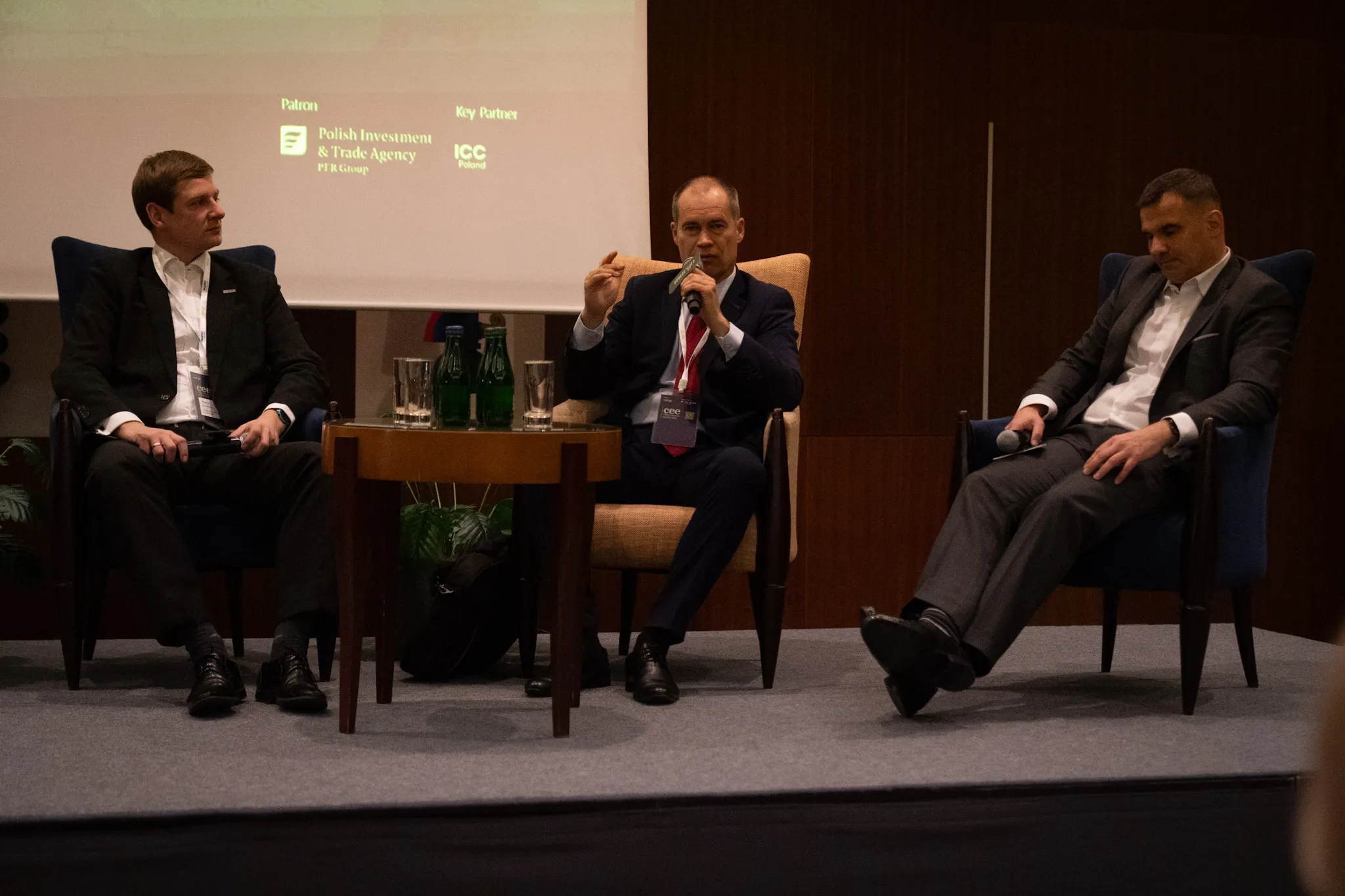
The Ukraine topic was not presented as a “special section” but as a recurring thread throughout the summit. Financial sector representatives emphasized: “Ukrainian businesses are incredibly resilient. They can recover faster than seems possible.”
Representatives of the Polish-Ukrainian Chamber of Commerce, Credit Agricole, and KUKE spoke of Ukraine as a market of the future, which, after the war, will generate decade-long demand in energy, agriculture, urban reconstruction, logistics, warehousing, and transport corridors. A simple fact was highlighted: there are over 20,000 destroyed buildings that require full reconstruction. This demand is already shaping business behavior — leading Polish companies are quietly opening offices in Ukraine, even if they cannot yet operate at full capacity.
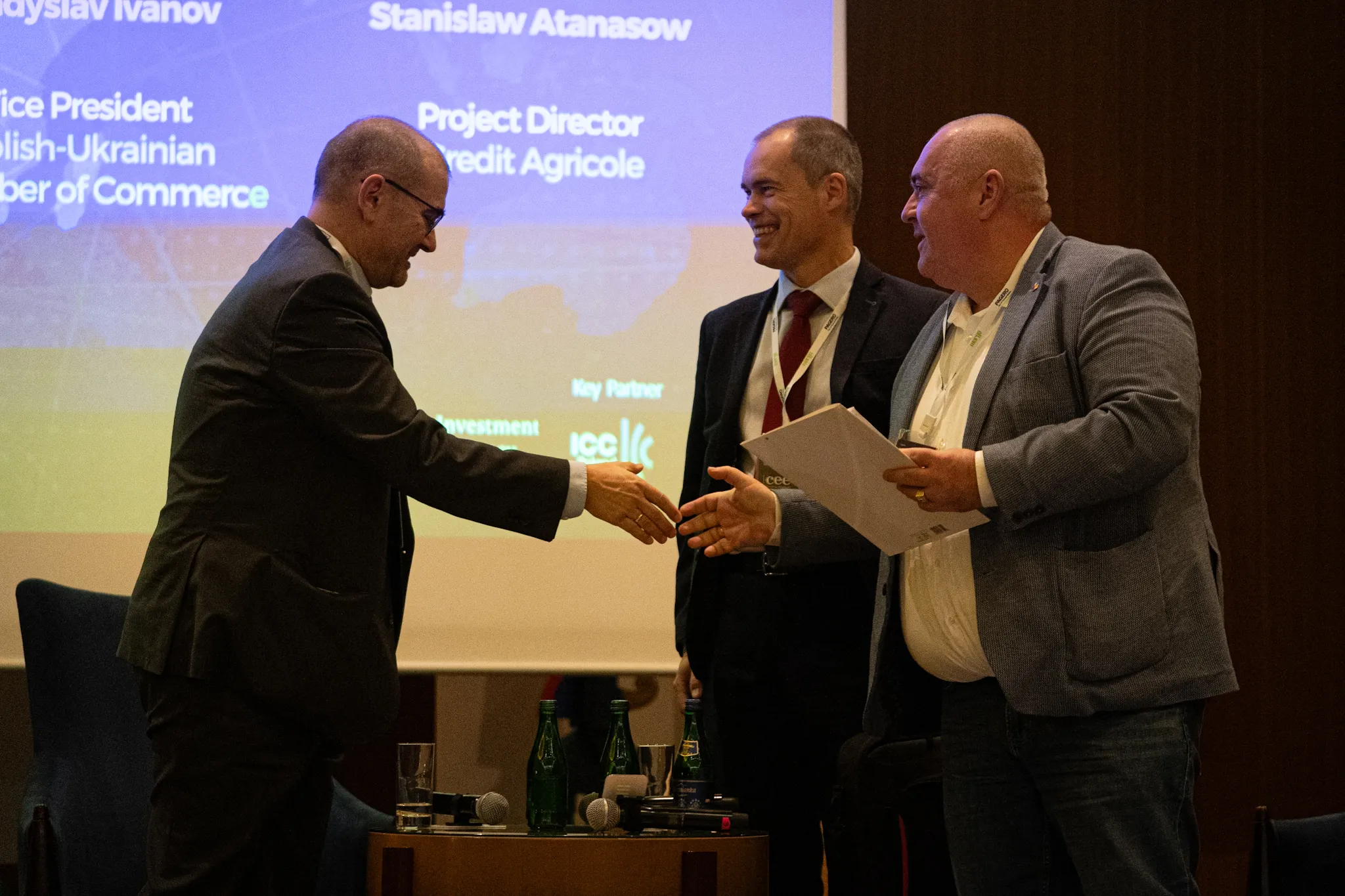
The closing part of the conference turned attention to AI and the future of corporate treasury. Participants acknowledged that artificial intelligence could transform financial functions faster than any other technology in recent years. But the key problem is simple: AI does not work in chaos. The lack of quality data, manual processes, decentralized banking connections, and teams working in “firefighting” mode — these are the barriers between companies and real breakthroughs. An important point was made: those who now organize their data and processes will be the first to use AI not as a trendy tool, but as a predictive system.
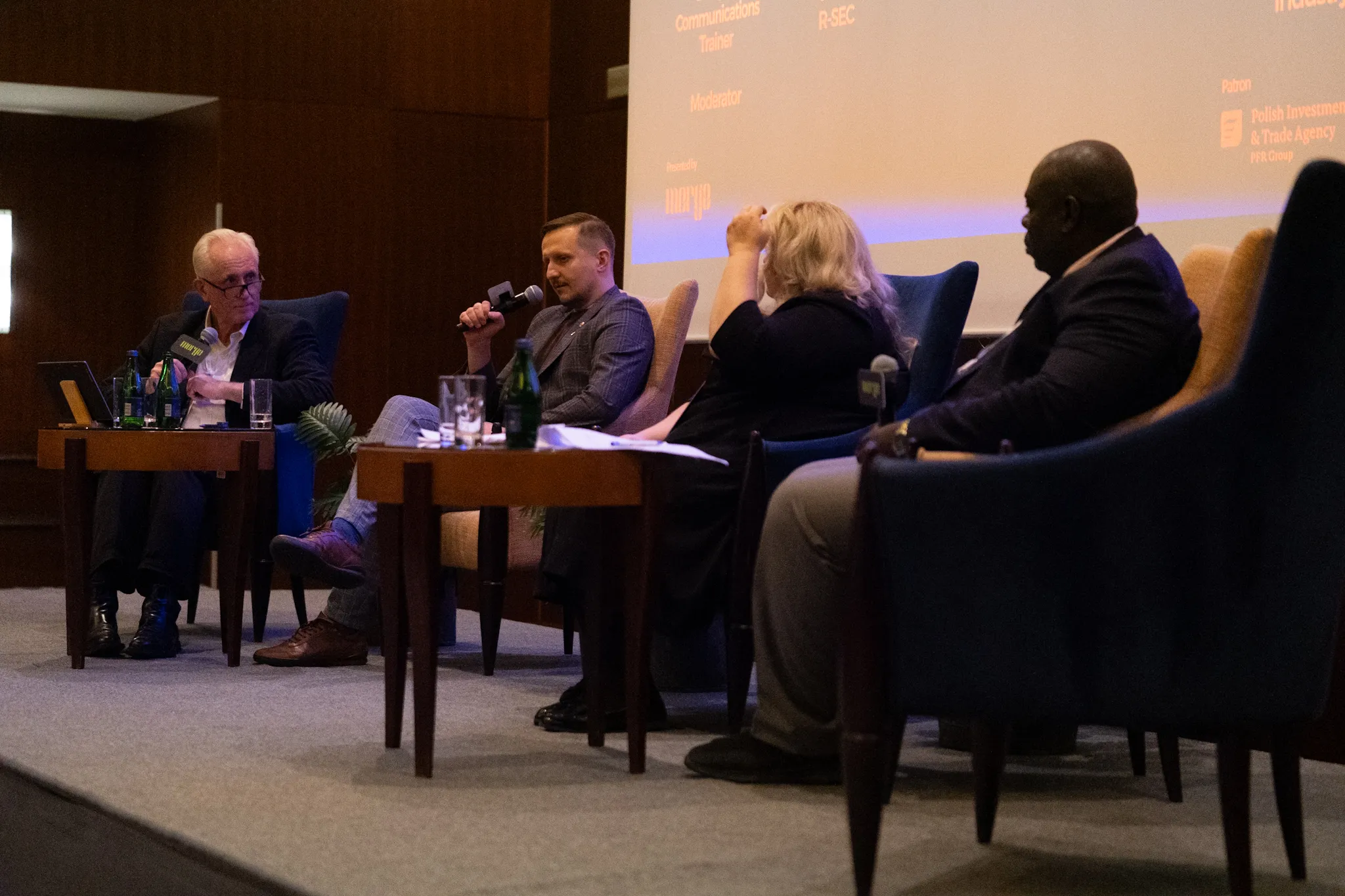
The summit concluded in a lively, warm atmosphere. Participants actively discussed ideas, exchanged contacts, and arranged collaborations. This, perhaps, best reflects the overall mood of the event. Today, CEE is neither a periphery nor a transit corridor. And these words sum up the summit perfectly:
This is a region that faces new risks first, but in doing so gains a unique advantage. For one day, Warsaw became a place where decisions are being shaped that will define trade for the next decade.