
Despite the lack of communications and shelling, 900 civilians remain in Dobropillya
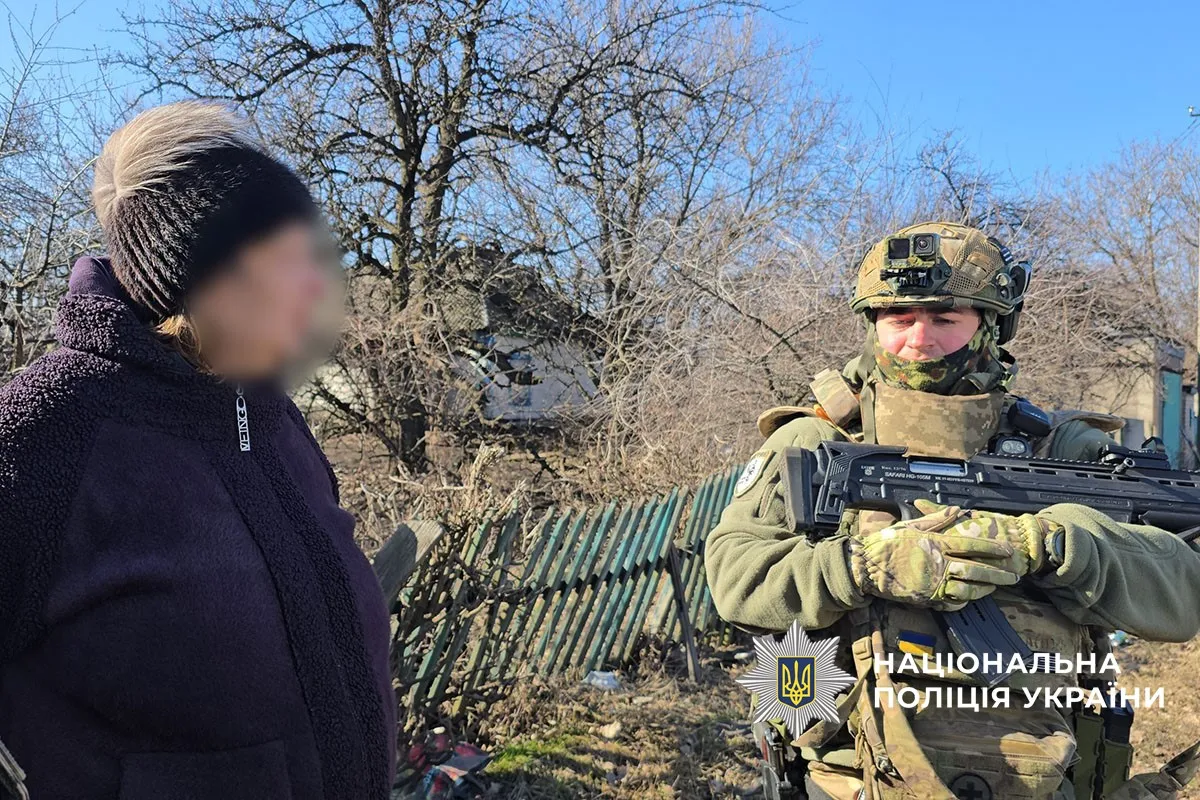
In the town of Dobropillya in the Pokrovsk district, which is under constant attack by Russia, there are still about 900 residents, although the population exceeded 28,000 before the full-scale war began.
The Donetsk Regional Police reported this on Telegram.
The town has no electricity, water supply, or communication services, and due to intense shelling, the dead must be buried right next to their homes. The Donetsk Regional Police reported that the “White Angel” crew managed to break through into the city to carry out an evacuation, but most residents, who are hiding in basements, flatly refuse to leave.
The situation in Dobropillia remains critical due to Russia’s constant use of guided aerial bombs and the large number of drones in the sky. During the last evacuation mission, the team was attacked by an FPV drone, which was neutralized using electronic warfare equipment. Police officers visited the homes of elderly residents on foot at the request of their relatives, but were refused everywhere. Even at special locations where residents can charge their phones and contact loved ones, none of those present agreed to leave the combat zone.
The city is gradually turning into ruins under systematic airstrikes by Russian forces. Law enforcement continues to urge the population to evacuate, emphasizing the deadly risk of remaining on the streets. Despite the efforts of authorities and volunteers, a significant portion of civilians choose to remain in their homes even amid a full-scale humanitarian disaster and an immediate threat to their lives.
About 2,800 civilians currently remain in the Kostyantynivka community in Donetsk Oblast. Due to the security situation, a mass evacuation is impossible, so only sporadic departures of people to safer regions are being organized. Local authorities continue to work with the population and urge residents to leave if possible.
Ukrainian troopshave pushed the Russians back in the Donetsk region.




