
German regulators support approval of Tesla FSD in the EU — InsideEVs
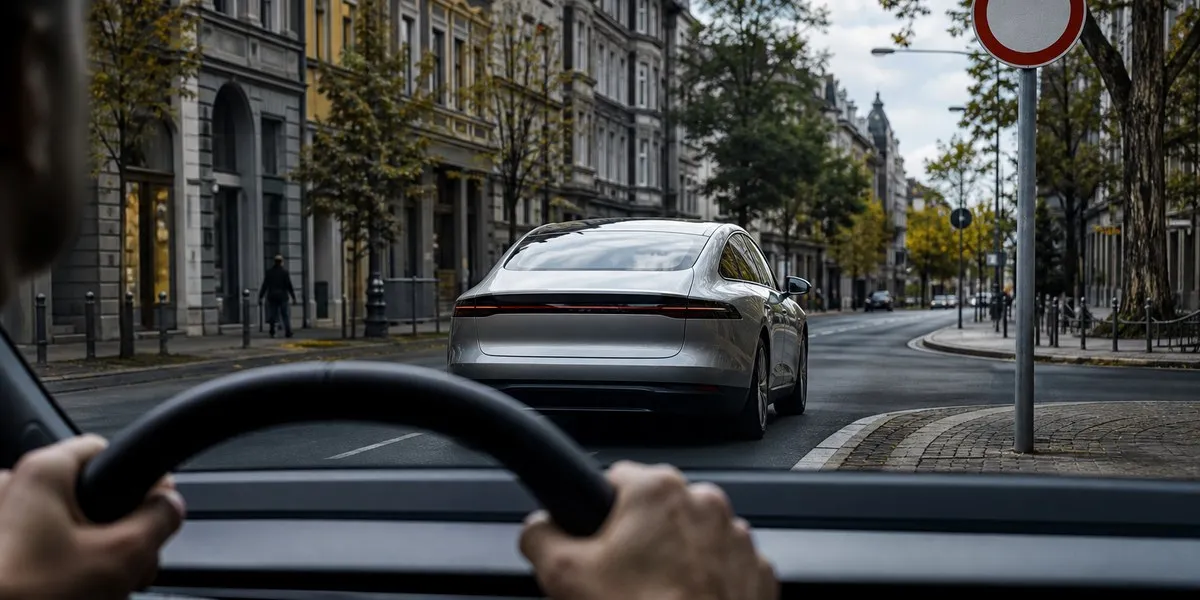
German regulators have supported the approval of Tesla’s FSD driver-assistance system for use in the European Union. At the same time, they consider the name Full Self-Driving misleading and propose renaming the technology to more clearly emphasize the driver’s responsibility, InsideEVs reports.
Agreements on speed and responsibility
A statement by Germany’s Federal Ministry of Transport dated October 6 refers to negotiations between Transport Minister Steffen Bilger and Tesla that took place in September. According to the ministry, the parties reached agreements on technical issues and responsibility, after which the minister called for the system’s timely approval at the EU level.
The agreement allows exceeding the posted speed limit by up to 10%. The ministry acknowledged that a slight exceedance of the limit can sometimes contribute to smoother traffic flow. The version of FSD approved by Dutch regulators also does not include the aggressive Mad Max mode, which in the United States can substantially exceed speed limits under certain circumstances.
More current news is available on the UA.News Telegram channel Telegram.
Possible new name for the system
According to the German ministry, Tesla proposed calling the system Tesla Assisted Driving. This name is intended to emphasize that the driver remains fully responsible for operating the vehicle. The ministry also noted that the system performs steering, acceleration and braking without requiring driver intervention, which may cause confusion.
FSD is already available in the Netherlands, Belgium, Denmark, Lithuania, Estonia, Slovenia, the Czech Republic and Croatia. Its use on public roads in the Netherlands was authorized after more than 18 months of evaluation. Other countries may separately recognize this authorization, while Europe-wide approval requires a separate vote by EU member states.




