
On August 20, according to the church calendar, the memory of the prophet Samuel is honored
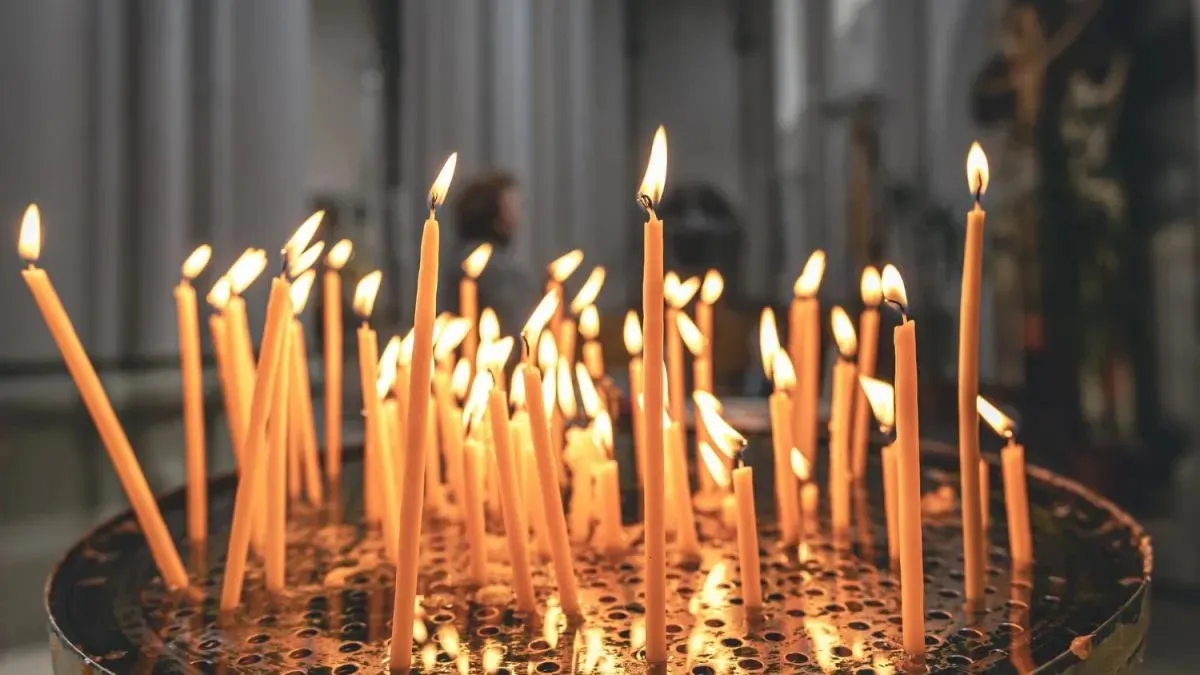
On Thursday, August 20, Orthodox Christians, following the new church calendar, commemorate the prophet Samuel, known for his wisdom, faithfulness, and righteousness. On this day, according to tradition, special attention was paid to men, and certain dishes were prepared for them.
In popular belief, this day is associated with numerous superstitions, mainly regarding the upcoming weather and fall, as well as a number of traditional prohibitions.
What customs are observed on August 20, and what church holiday is celebrated today according to the old calendar?
On August 20 (September 2 according to the old church calendar), Orthodox Christians honor the memory of the prophet Samuel—the last judge of Israel, who lived 1,146 years before the Nativity of Christ.
The name Samuel means “asked of God”: his mother prayed for a son for a long time and, after giving birth to him, dedicated him to the Lord. At the age of three, the boy was entrusted to the care of the high priest Elijah, and at the age of twelve, he received his first prophetic revelation—it foretold the defeat of the Israelites by the Philistines and the loss of the Ark of the Covenant.
After Elijah’s death, Samuel became a judge of Israel and restored the people’s faith in the one true God. Later, he anointed Saul as king, but after Saul’s disobedience to God, he anointed David, whom he himself had hidden from the wrath of the former king.
The prophet Samuel is venerated as the patron saint of men—people turn to him with prayers for health, education, and the resolution of disputes.
On August 20, the memory of the two Venerable Pimen of the Caves is honored.
Among the people, the holiday is called “Samoylo’s Day”—it is considered a men’s holiday because the prophet Samuel is revered as the patron saint of men. On this day, it is customary to set a generous table and honor the men of the family—father, husband, son, and brother.
The main dish on the table is fried potatoes with mushrooms. It is believed that this dish attracts a bountiful harvest and a winter with plenty to eat.
Household chores continue as usual on this day. It is also customary to make a wish on St. Samuel’s Day—it is believed that whatever you wish for will surely come true.
On this day, as on any other, the Church warns against foul language, envy, revenge, and greed. It is considered a sin to refuse to help someone in need.
You shouldn’t argue or settle scores—not only open conflict but also any attempt to resolve a dispute is considered a bad omen. Also, on this day, people do not bring up the topic of weddings or propose marriage—this date is considered inauspicious for decisions related to love and family life.
According to folk omens, people have long used this day to predict what the fall will be like and what the coming winter has in store:
- if cranes fly high and smoothly, autumn will be warm and long;
- high clouds mean clear weather, while low, drifting clouds mean rain;
- the sun in the fog—expect prolonged rains;
- plenty of rowan berries—autumn will be wet, but next year’s oat harvest will be bountiful;
- if there are many mice in the field, winter is expected to be harsh and cold.
These signs are merely a reflection of our ancestors’ centuries-old observations of nature, not an exact forecast.
August 20 is the name day for: Stepan, Tymofiy, Viktor, Ivan, Maksym, Volodymyr, Fedir, Mykolay, Samuil, and Oleksandr.
People with these names have strong intuition, which helps them make the right decisions. They possess natural leadership qualities—they know how to rally a group around them and are almost always the center of attention.
Read also:
What religious holiday is celebrated on August 19, 2026: traditions and prayers


