
July 23: Feast Day of the Pochaiv Icon of the Mother of God: History and Significance of the Shrine
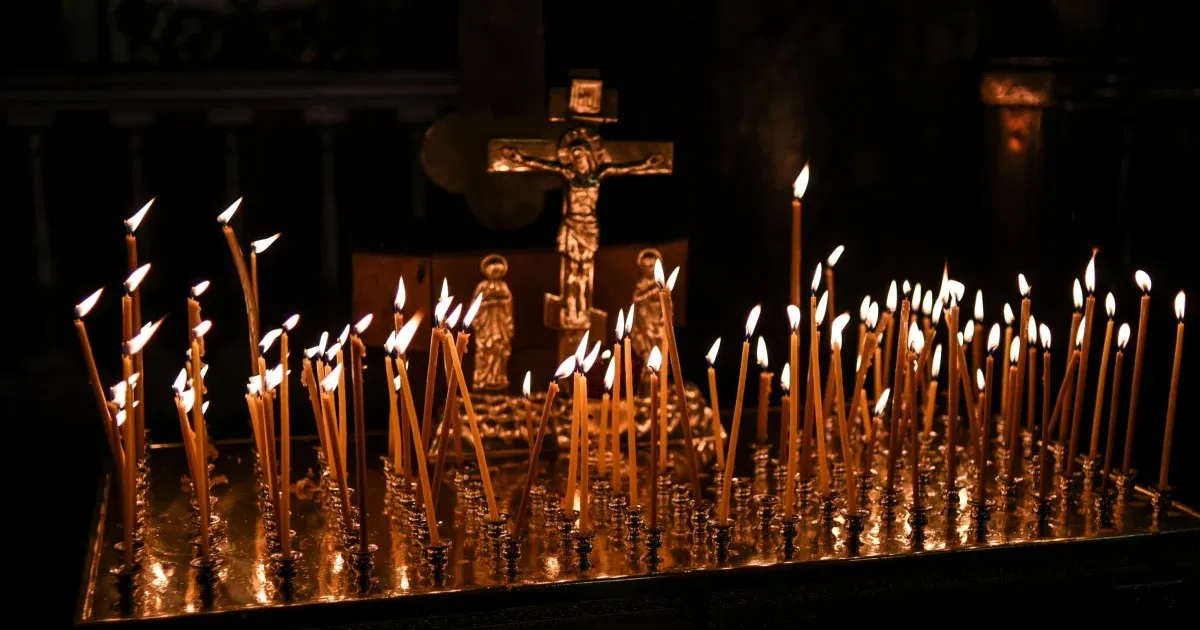
On July 23, according to the new church calendar, Orthodox believers commemorate the Pochaiv Icon of the Mother of God. This miraculous icon is one of the most revered shrines, to which people turn with prayers for help, healing, and protection.
On July 23 (August 5 according to the old calendar), Orthodox Christians honor the Pochaiv Icon of the Mother of God—one of the most famous holy relics, associated with countless legends of miraculous aid and healing.
The feast day was established to commemorate the salvation of the Pochaiv Lavra of the Dormition during the Tatar siege in 1675, during the war with the Ottoman Empire. According to church tradition, the monks of the monastery were unable to defend it on their own and turned in prayer to the Mother of God and St. Job of Pochaiv. Then the Mother of God appeared above the church, surrounded by angels and accompanied by St. Job.
Upon seeing this heavenly vision, the attackers were struck with fear. According to legend, the arrows they fired at the monastery’s defenders turned back, causing panic among the soldiers, who then retreated. Later, some of those who had participated in the siege converted to Christianity.
Other miracles are also associated with the Pochaiv Icon. One of the most famous is the healing of a blind girl named Anna Akimchukova. There is also the story of Count Mykola Pototsky: after his coachman was allegedly saved by praying before the icon, Pototsky himself became the patron of the Pochaiv Monastery.
According to legend, the icon was donated to the monastery in the 16th century by the noblewoman Anna Goyska. Today, the Pochaiv Icon of the Mother of God is housed in the Pochaiv Lavra of the Dormition in the Ternopil region.
Believers turn to the icon with prayers for health and healing, asking for protection for their families and help in difficult life circumstances. It is believed that the icon helps maintain peace and harmony in the home, strengthens faith, and guides people onto the right path.
What Orthodox holiday is observed today according to the Old Style calendar?
According to the Julian (Old) Church Calendar, July 23 commemorates the memory of St. Anthony of the Caves—one of the founders of the Kyiv-Pechersk Lavra.
What You Can and Cannot Do on This Day
In folk tradition, July 23 was called “Trofim the Sleepless.” It received this name in honor of the martyr Trofim, who is commemorated on this day, as well as because of the many household chores typical of this time of year.
It is believed that Trofim’s Day is a good time to start new endeavors—they will bring benefit and success. This day is also considered auspicious for matchmaking and getting married: it was believed that a family formed during this period would be strong and harmonious.
By this time, raspberries are already ripe, which is why the day is also called Kalynnyky-Malynyky. The berries are harvested and used to make jam, compotes, and other preserves for the winter. The viburnum is particularly revered by the people for its beneficial properties and is associated with family well-being.
There are many folk beliefs associated with the viburnum: it is believed that a bush near the house protects the family from misfortune and brings peace and harmony. The plant’s twigs are regarded as a talisman, and the berries are used not only in cooking but also in folk medicine.
On this church holiday, just as on any other day, believers should avoid quarreling, using foul language, feeling envy, spreading gossip, or refusing to help those in need. Greed, rudeness, and laziness are considered sins.
According to folk beliefs, on St. Trofim the Sleepless, one must not sleep late—doing so may lead to losing one’s luck and inviting poverty. On this day, people tried not to put off important matters or engage in idle work: it was believed that hard work helps preserve prosperity.
Special attention is paid to the viburnum on this day. On St. Trofim’s Day, it is not advisable to break, chop, or pick branches from this tree unnecessarily: it was believed that doing so could lead to trouble.
What Are the Superstitions Associated with Trofim the Sleepless?
Based on the weather on this day, our ancestors tried to predict what the harvest would be like and what to expect in the coming weeks:
- morning fog — a bountiful mushroom harvest;
- if fog settles in the evening—clear and calm weather is ahead;
- bright stars before dawn — rain is coming soon;
- rain on Trofim the Sleepless’ Day — a good harvest is coming;
- the loud hooting of an owl or a barn owl signals a cold snap, especially at night;
- If birds are crying loudly, winter will be warm;
- If pigeons hide in their nests, the weather will soon turn bad.
People also believed that on St. Trofim’s Day, one must not break viburnum branches—it could bring misfortune. The viburnum tree has long been considered a protector of the home, and a twig or piece of bark served as a talisman.
Read also: What church holiday is celebrated on July 22?


