
Archaeologists have discovered that the kings of Urartu used bronze bowls for propaganda purposes
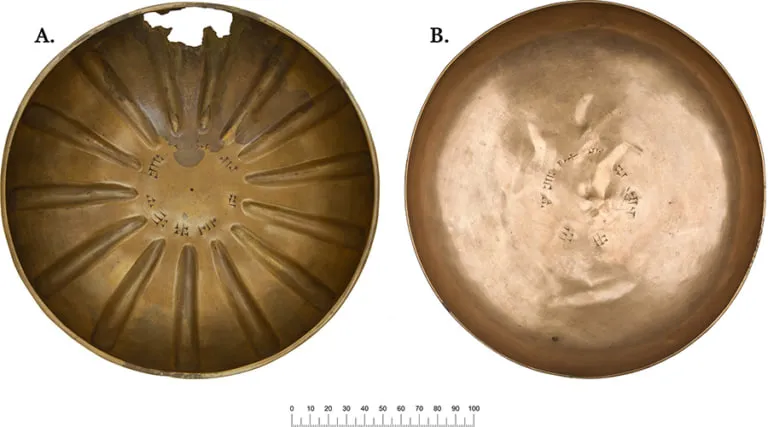
The bronze bowls used in the ancient kingdom of Urartu nearly three thousand years ago were not only luxury items but also instruments of political propaganda. Archaeologists reached this conclusion after studying more than a hundred artifacts bearing cuneiform inscriptions.
The researchers analyzed more than 100 bronze bowls bearing inscriptions related to the rulers of Urartu — one of the most powerful kingdoms of Western Asia during the Iron Age, which existed from the late 9th to the early 7th century BCE.
The study revealed that the short cuneiform inscriptions contained the names of kings and linked the vessels to the royal court. During celebrations, ceremonies, and religious events, such bowls demonstrated the ruler’s power, strengthened his authority, and emphasized the divine origin of his power.
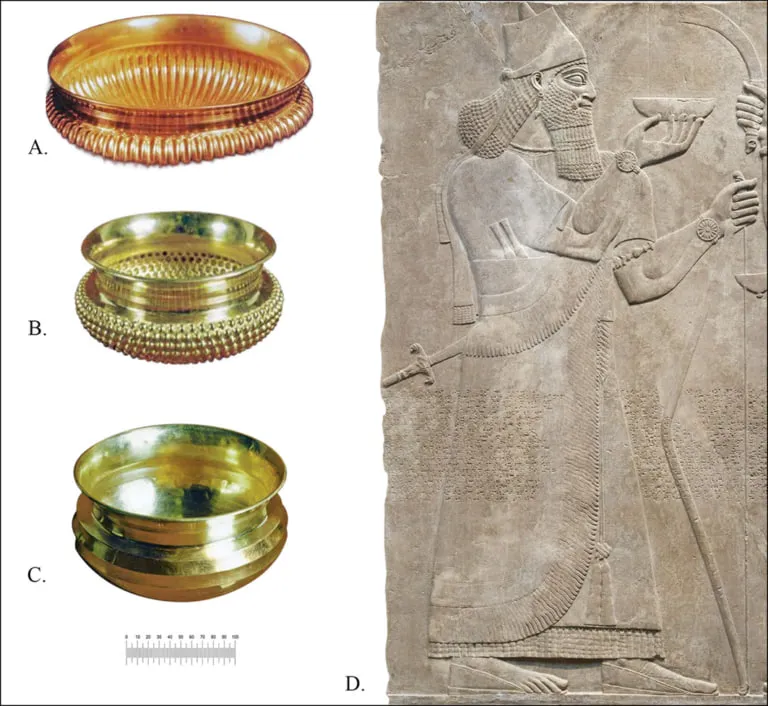
Archaeologists discovered the largest collection of artifacts during excavations of the ancient fortress city of Teishabaini (Karmir-Blur) in present-day Armenia.
According to researchers, over time, the inscriptions and symbols on the bowls changed and became more standardized. During the reign of King Argishti I, they began to depict, among other things, a temple tower and a lion’s head, which symbolized royal power and divine approval of the ruler’s authority.
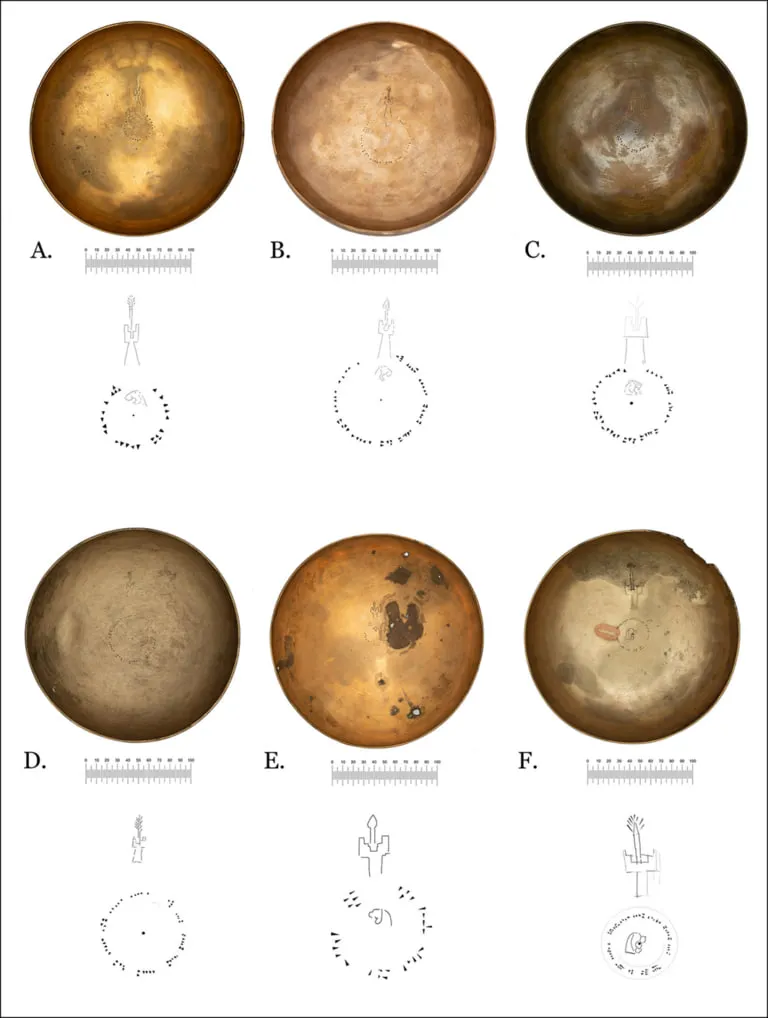
The authors of the study also suggest that the large collection of bowls found in Karmir-Blur may have been deliberately assembled on the eve of the Urartian Kingdom’s collapse to preserve the memory of the ruling dynasty during a period of political instability.
This was reported by Arkeonews, citing a new archaeological study.
As a reminder, gold jewelry dating to before the Bronze Age Catastrophe was discovered in Cyprus.
Near Halych, archaeologists have discovered unique medieval artifacts.


