
The Fast of St. Peter 2026 began on June 8: permitted and prohibited foods
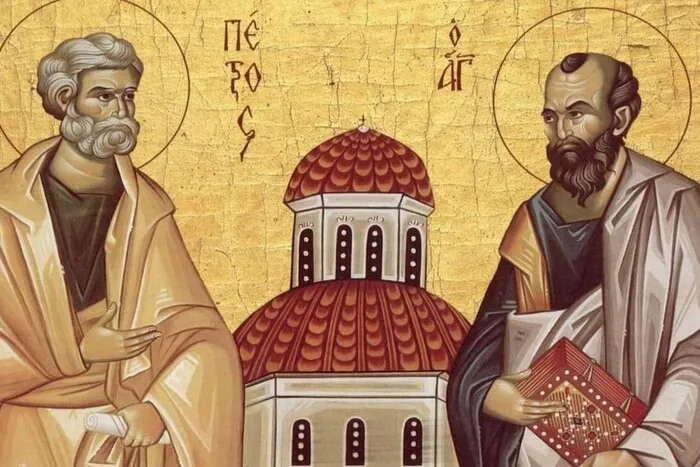
On June 8, according to the Orthodox calendar, believers began the 2026 Peter’s Fast, also known as the Apostolic Fast. It is dedicated to the chief apostles Peter and Paul and is one of the multi-day summer fasts in the church year.
The fast will end on June 28 according to the new style and on July 11 according to the old calendar.
Peter’s Fast does not have a fixed start date—it depends on the celebration of Easter. It is a transitional fast: it begins one week after Trinity Sunday, so its start date changes every year.
Peter’s Fast ends with the feast of Saints Peter and Paul, the First-Called Apostles, which is celebrated on June 29 according to the New Style and July 12 according to the Old Style. Thus, the duration of the fast is 21 days according to the New Style and 34 days according to the Old Style.
Peter’s Fast is one of the mildest Orthodox fasts, during which fish is permitted on most days. This is because the Apostle Peter, who came from a family of fishermen, is venerated as the patron saint of fishermen.
During Peter’s Fast, the following are permitted:
- vegetables and fruits;
- cereals;
- mushrooms;
- bread and lean baked goods;
- fish (on certain days);
- vegetable oil (not every day)
Prohibited:
- meat;
- poultry;
- dairy products;
- eggs.
There are exceptions for certain categories of people. A less strict fast is permitted for pregnant and breastfeeding women, people with flare-ups of chronic illnesses, patients in the postoperative period, as well as those with gastrointestinal disorders.
Certain exceptions may be granted to travelers and military personnel—if it is not possible to observe the fast completely, the clergy may permit an individual dietary regimen.
The basic dietary rules are as follows:
- On Mondays—hot meals without butter are permitted; these may include soups, porridges, and stewed or boiled vegetables;
- On Tuesdays and Thursdays, the diet may include fish, seafood, mushrooms, grains, and hot dishes prepared with vegetable oil;
- On Wednesdays and Fridays—these are considered days of strict fasting; only dry foods are allowed, such as raw vegetables and fruits, bread, nuts, and honey.
On weekends, the fast becomes less strict: fish, dishes with oil, vegetables, grains, mushrooms, and moderate wine consumption are permitted.
To make fasting easier, it is important to:
- focus on seasonal vegetables and greens;
- include fish on permitted days;
- avoid overeating even lean foods;
- stay hydrated;
- not to replace meat with overly fatty foods.
It is important to remember that Peter’s Fast, like all other fasts, is not a diet but a spiritual preparation for the feast of the Holy First-Hierarchal Apostles Peter and Paul. It is believed that the apostles themselves prepared for their ministry through work, prayer, and trials.
Read also:
Every year on June 7, Peruvians celebrate Flag Day—one of the country’s most important patriotic holidays.
June 7 is Local Industry Workers’ Day in Ukraine.


