
Summer Sonic in Japan drew 308,000 attendees and placed a greater emphasis on local artists
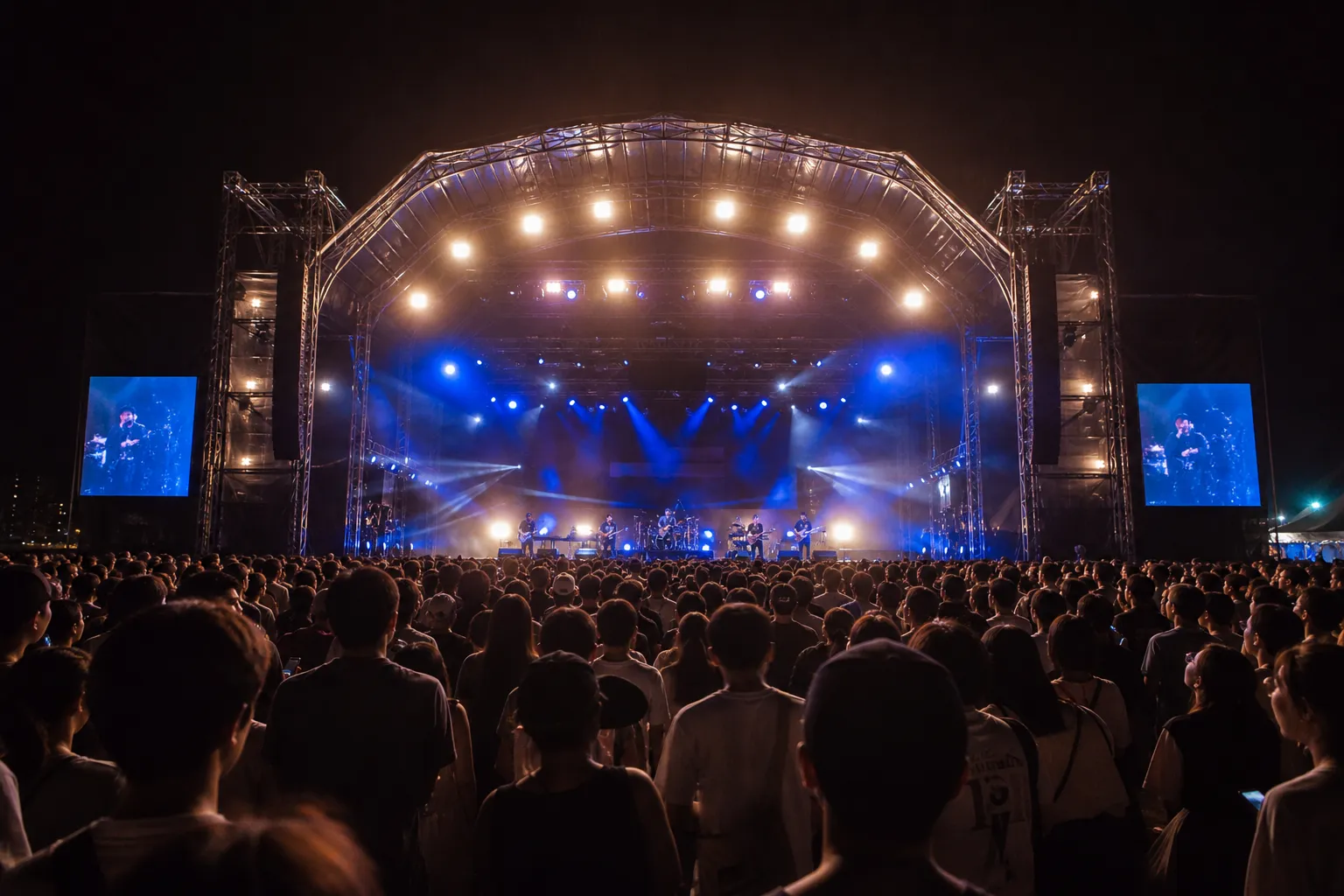
The 25th Summer Sonic festival in Japan drew a total of 308,000 attendees and highlighted the growing role of local artists in the lineup. According to the organizer, Creativeman, 198,000 people attended the Tokyo leg of the festival, while another 110,000 attended events in the Kansai region, The Japan Times reports.
The festival took place August 14–16, 2026, at the Makuhari Messe venue in Chiba Prefecture and at Expo ’70 Memorial Park in Osaka. On the eve of the festival, Chiba Prefecture experienced record rainfall: train service was suspended, and a section of Makuhari Messe not used for the festival was converted into a shelter. On the morning of the first day, organizers announced that the event would go ahead, although the bad weather had delayed some attendees. The open-air Beach Stage was very muddy due to puddles.
One of the highlights was the appearance of J-pop singer Ado, who replaced American rapper A$AP Rocky as Saturday’s headliner. Before her performance, critical comments from social media regarding this decision were shown on the screen. Ado performed a cover of Metallica’s “Enter Sandman,” and a few days later, the members of Metallica praised her performance on X.
For more breaking news, follow the UA.News Telegram channel.
According to The Japan Times, Japanese artists—including Bump of Chicken, Kento Nakajima, Hitsujibungaku, Suchmos, Sakanaction, and L’Arc-en-Ciel—drew the largest crowds this year. The band Hana, which had performed four songs on the much smaller Pacific Stage the previous year, opened the Marine Stage this time. According to the author of the article, the size of its audience was comparable to those of NewJeans and Mrs. Green Apple’s performances at the festival in previous years.
The lineup also featured The Strokes, FKA Twigs, Jennie from Blackpink, Machine Gun Kelly, Babymetal, Jamiroquai, and David Byrne. The publication notes that the weak yen is driving up the cost of booking international headliners, making it increasingly difficult to sustain Summer Sonic’s traditional model, which has relied heavily on well-known foreign artists.


