
MST Marquee analyst says oil inventories are being depleted — OilPrice
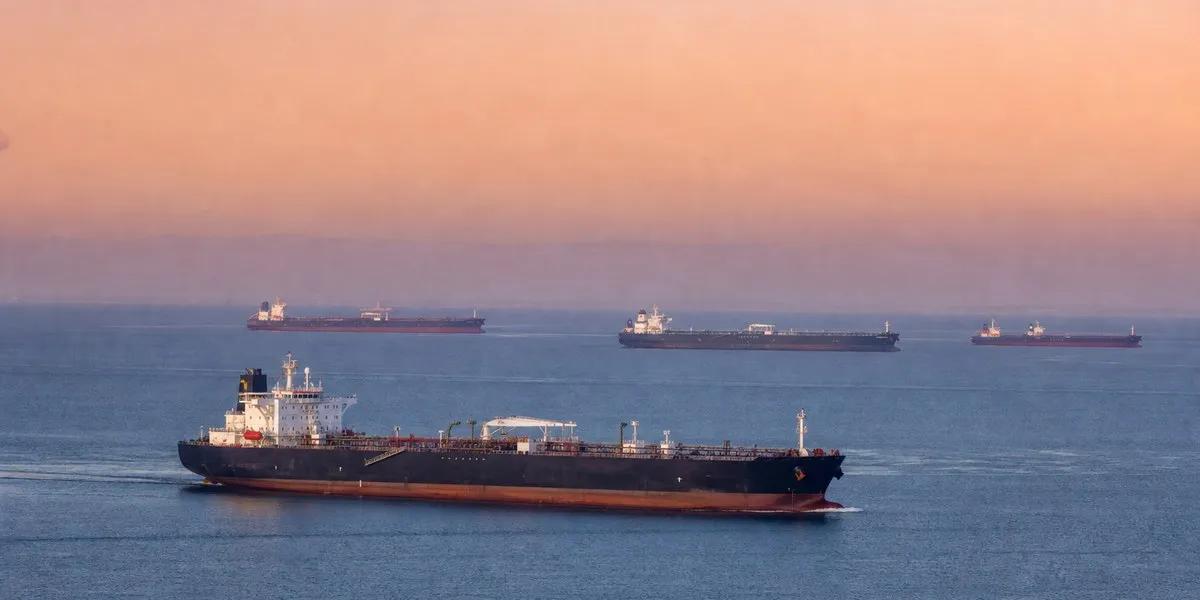
The oil market is becoming increasingly dependent on temporary factors, while oil flows through the Strait of Hormuz remain limited, said Saul Kavonic, senior analyst at MST Marquee. As OilPrice reports, releases from oil inventories and low demand in Asia had previously partly offset supply losses, but these options are gradually narrowing.
In a comment to CNBC, Kavonic said that inventories cannot be released indefinitely. In his assessment, an escalation in the Middle East could further reduce the volumes of oil coming from the region.
Flows through the Strait of Hormuz
According to the MST Marquee analyst's assessment, the volume of oil passing through the Strait of Hormuz amounts to approximately one-third of the pre-war level. Between 5 million and 7 million barrels of crude oil leave the Persian Gulf every day.
More current news is available on the UA.News Telegram channel Telegram.
These flows are mostly supported by ship-to-ship transfers outside the Strait of Hormuz. According to Kavonic, Saudi Arabia was able to offset about half of the 5 million barrels per day of crude oil supplies lost through the port of Yanbu on the Red Sea by increasing flows through the Strait of Hormuz and transfers near Oman and the United Arab Emirates.
Inventories and China's demand
OilPrice writes that record inventory releases, led by the International Energy Agency, have reduced strategic reserves in developed countries. According to the publication, the U.S. Strategic Petroleum Reserve has fallen to its lowest crude oil inventory level since the early 1980s.
China, which reduced crude oil imports by approximately 4–5 million barrels per day in May and June, has begun gradually increasing purchases. In Kavonic's view, this weakens the demand-balancing mechanism that restrained a sharp rise in oil prices in the spring. He also noted that the unresolved situation around the Strait of Hormuz and an unlikely diplomatic resolution of the current impasse could intensify market tensions.




