
Musk says SpaceX is building a foundry for gas turbine components
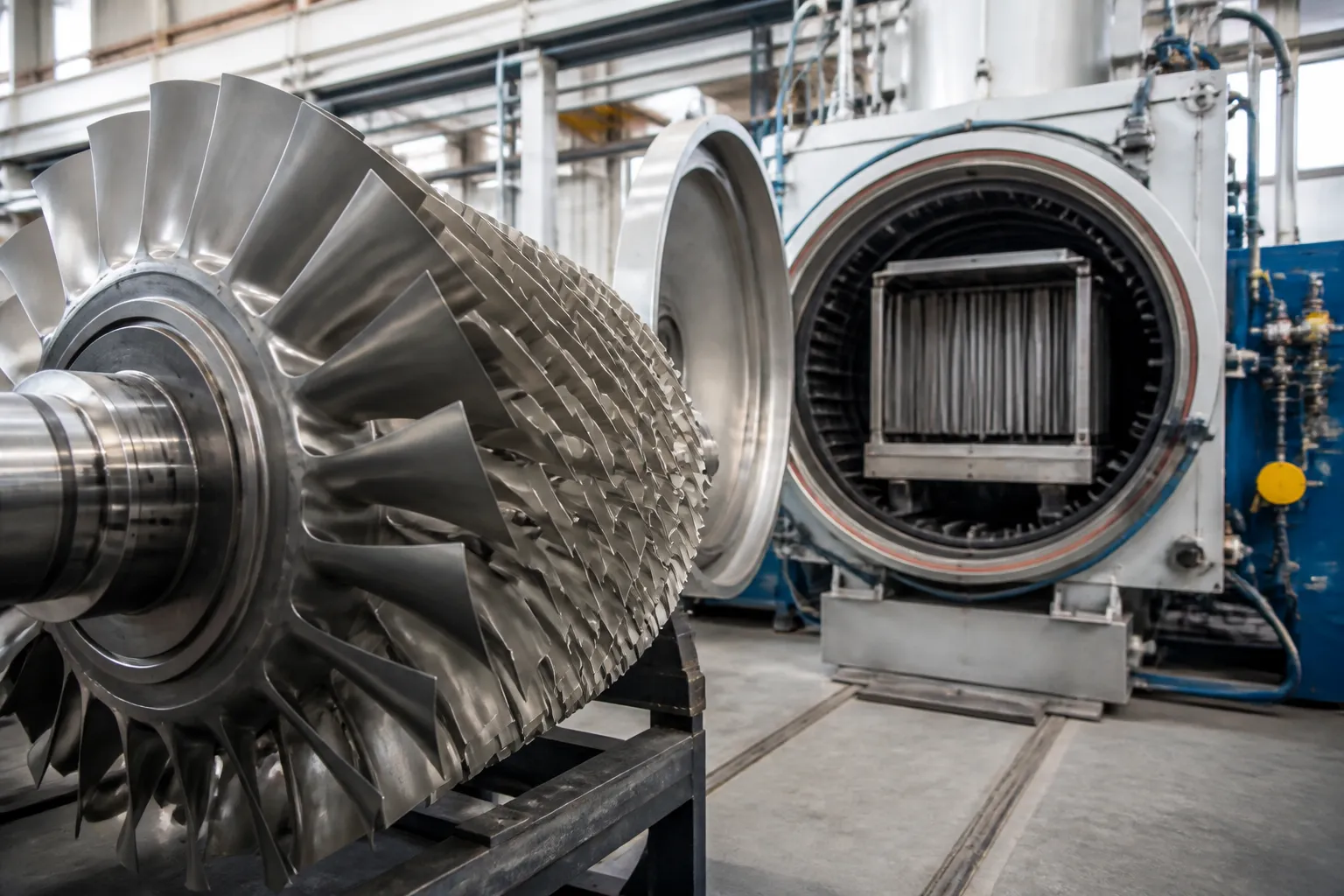
SpaceX is building a foundry in Bastrop, Texas, to manufacture gas turbine blades and vanes. Elon Musk said that casting these components in-house could shorten the time needed to bring gas turbines online by up to 18 months. TechCrunch reports.
According to Musk, SpaceX and Tesla are building 100 GW per year of solar power capacity as quickly as possible. At the same time, he believes that natural gas will still be needed for several years to supplement and start up solar capacity. Musk called the casting of blades and vanes a limiting factor in gas turbine production.
Shortage of turbine components
Earlier, The Information reported that SpaceX job postings directly mentioned a blades and vanes foundry. The publication also cited data from investment property due diligence specialist Corey Trinetti: from March to June, SpaceX acquired about 830 acres of land near the operating Starlink plant in Bastrop.
The need for electricity has become one of the key constraints on the development of artificial intelligence infrastructure. The International Energy Agency forecasts that global electricity consumption by data centers will approximately double by 2030. Turbine manufacturer GE Vernova said that its production capacity is effectively sold out through 2030, largely due to demand from AI infrastructure.
More current news is available on the UA.News Telegram channel Telegram.
According to TechCrunch, Amazon, Google, Meta, OpenAI, and Microsoft are betting on building private gas-fired power plants near data centers to supply them with electricity more quickly without waiting for grid connections. Manufacturing turbine blades is a complex process: they are cast as a single crystal in a vacuum furnace, without microscopic seams through which the metal can crack under stress.
Disputes over emissions
The accelerated deployment of gas turbines is causing environmental and legal disputes in the United States. In Memphis, the NAACP has repeatedly accused SpaceXAI of operating turbines to power the Colossus data centers without permits or pollution-control equipment that, in the organization’s view, federal law requires. According to TechCrunch, these turbines have been operating since 2024.
The NAACP says such installations emit substances that contribute to smog formation, as well as hazardous chemicals, including formaldehyde. Researchers at the University of Memphis reported in their own limited analysis that air pollution had become “somewhat worse” because of the data center. In Virginia, a study commissioned by the Piedmont Environmental Council using the EPA COBRA model estimated that emissions from eight gas turbines at one facility could affect more than 2.5 million people and be associated with 3.4–6.5 additional premature deaths per year.




