
OPEC+ may keep oil production unchanged in October
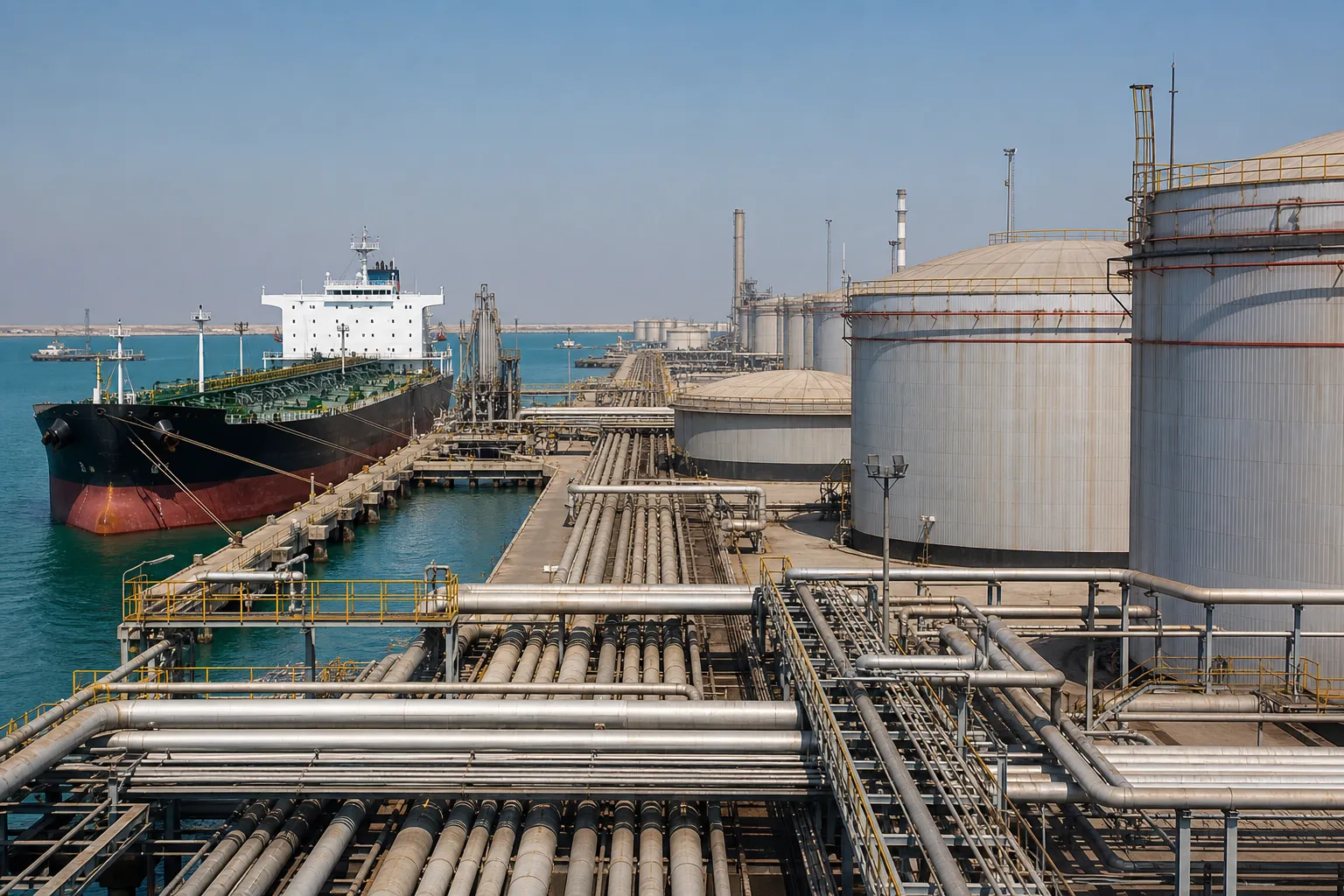
Seven key OPEC+ participants may leave their oil production policy unchanged for October. Such a decision is expected after an online meeting on Sunday, OilPrice reports, citing Reuters and three sources familiar with the course of the negotiations.
Saudi Arabia, Russia, Iraq, Kuwait, Algeria, Kazakhstan and Oman are expected to take part in the meeting, scheduled for 11:00 GMT. For most of 2026, these producers increased their monthly quotas. The September increase completed the phased reversal of the 1.65 million barrels per day supply cut agreed in 2023.
Actual volumes are below quotas
According to OilPrice, a significant share of the additional volumes never reached the market. Actual production lagged behind the increased quotas due to disruptions to exports from Persian Gulf countries through the Strait of Hormuz as a result of the war between the United States and Iran. Exports from Russia and Kazakhstan were also affected by the war in Ukraine.
In July, OPEC production rose by 1.17 million barrels per day, but volumes remained significantly below the group’s quotas. Reuters, as cited by OilPrice, believes that export restrictions from Persian Gulf countries reduced the impact of OPEC+ production decisions on prices and market share.
More current news is available on the UA.News Telegram channel Telegram.
Brent and quotas for 2027
On Wednesday, Brent crude traded near $94 per barrel. Market attention was focused on physical supplies from the Persian Gulf amid renewed hostilities between the United States and Iran, as well as attacks on tankers.
A separate level of production cuts remains in force for most of the 21 OPEC+ participants until the end of 2026. At the same time, the group is preparing to determine baseline production levels for 2027, on which national quotas will depend.
Consulting firm DeGolyer and MacNaughton is assessing the production capacity of most OPEC+ participants and is expected to submit its findings at the end of September. Iraq is seeking a higher quota, citing increased capacity. The UAE left OPEC in May, partly because it believed its quota did not take into account its expanded production capabilities. Venezuela is also considering leaving the group.


