
New Jersey allows plug-in balcony solar panels
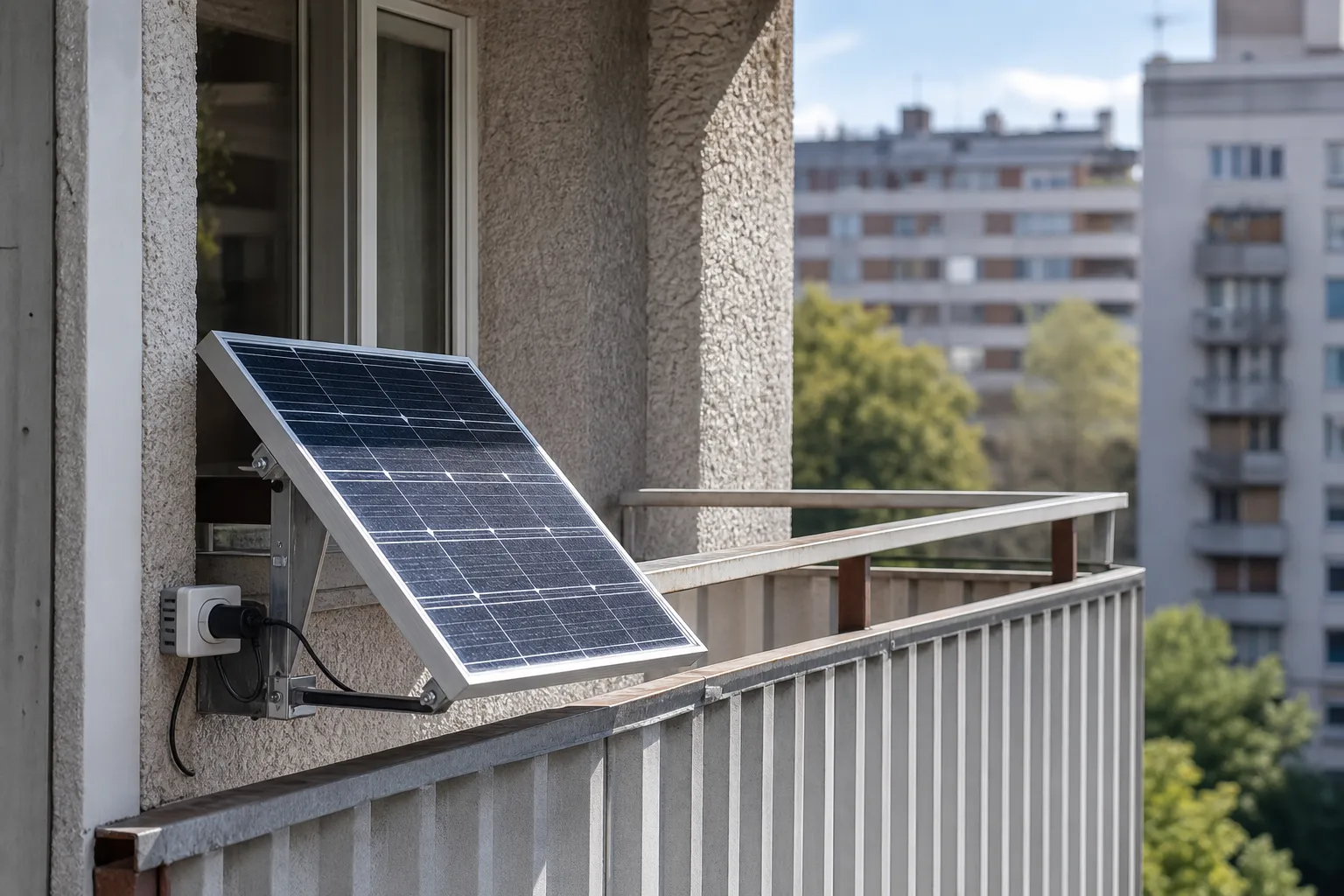
New Jersey Governor Mikie Sherrill has signed a law limiting the ability of municipalities and landlords to prevent the installation of portable solar panels that plug into a household outlet. Residents and tenants will be able to install balcony solar systems with a capacity of up to 1,200 watts, InsideEVs reports.
Installation conditions
The law will take effect in six months. It provides that no additional fees will have to be paid and no local licenses or approvals will be required to install such systems.
However, landlords, homeowners associations, housing cooperatives, or other similar entities must be notified of the planned installation at least 14 days in advance. Landlords retain the right to limit the location and size of solar modules.
More current news is available on the UA.News Telegram channel Telegram.
The legislation was unanimously approved by the New Jersey Senate and Assembly at the end of June. According to the publication, the initiative aims to reduce residents' electricity costs amid rising prices in the state.
How the systems work
In such photovoltaic systems, the panels are connected to a microinverter or a larger device that may contain batteries for storing electricity. The device is plugged directly into a household outlet. The inverter must prevent electricity from being fed into the grid during an outage, which is important for the safety of workers restoring power supply.
According to Sherrill, such installations cost significantly less than rooftop solar systems and can reduce a typical monthly electricity bill by up to $50. The 1.2 kW limit makes it possible to connect two or three panels to a compatible inverter. Similar balcony systems are widely used in Germany, where more than one million such installations are in operation.


