
Poland to allow use of reclaimed sewage water to cool power plants
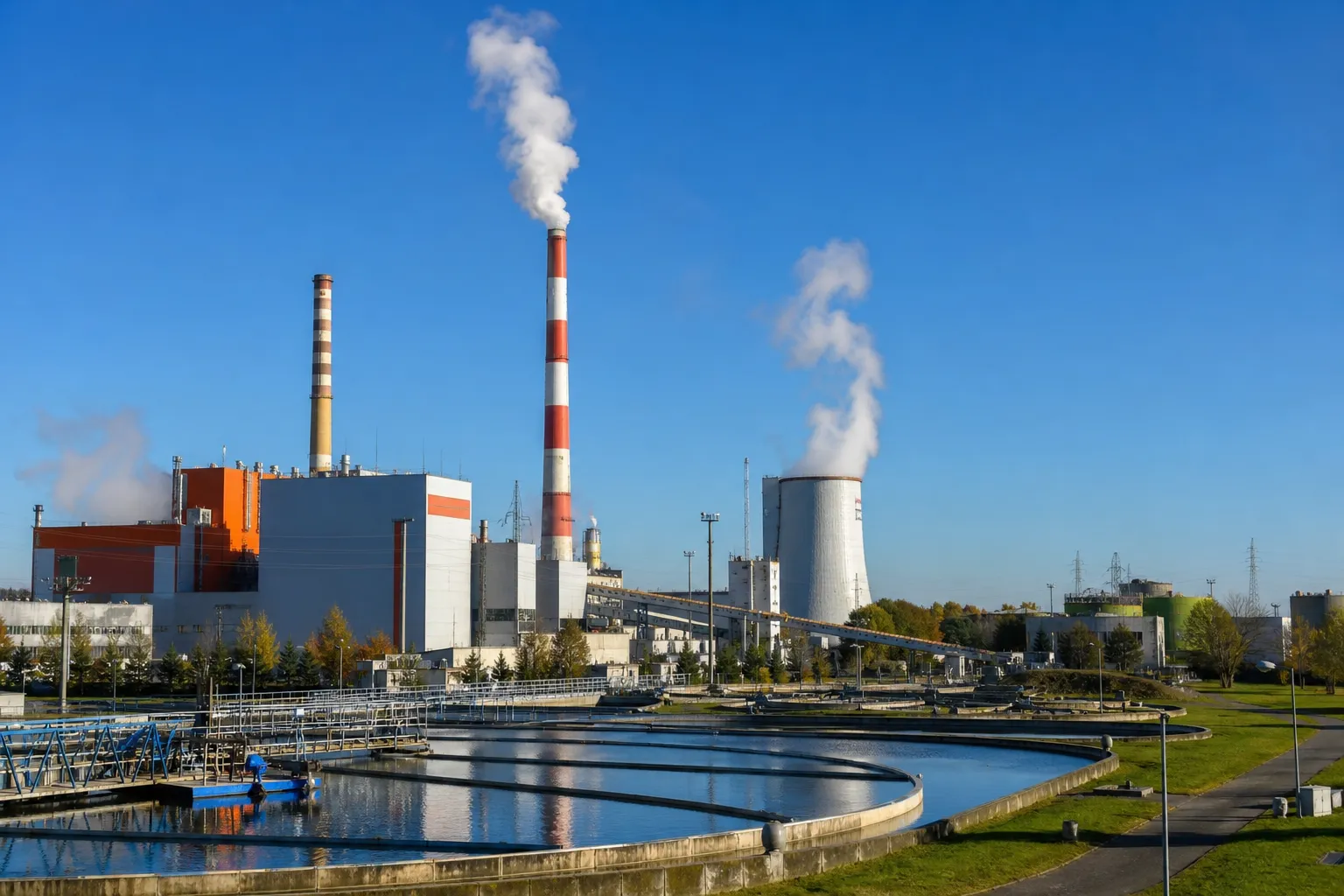
From January 1, 2027, Poland will allow power plants and combined heat and power plants to use water reclaimed from municipal wastewater in cooling systems. This is expected to reduce the use of freshwater and strengthen the energy system’s resilience to increasingly frequent droughts, Notes from Poland reports.
The changes are being introduced after summer heatwaves and a lack of rainfall caused water levels in many Polish rivers to fall to record lows. Some power plants in the country were partially shut down during that period.
Rules for the energy sector
The law introduces a definition of water reclaimed from municipal wastewater, creating a legal basis for its use in the cooling circuits of power plants and combined heat and power plants. Power plants require significant volumes of water to cool and condense the steam that drives turbines.
A group of lawmakers from The Left and the Polish People’s Party, which are part of the ruling coalition, introduced the initiative in May. Parliament approved the law in July, and Polish President Karol Nawrocki signed it last week.
Energy Minister Miłosz Motyka said the changes are of fundamental importance for many of the country’s generating units and will help improve preparedness for crises.
More current news is available on the UA.News Telegram channel Telegram.
Orlen Termika investments
Orlen Termika, a subsidiary of the state energy group Orlen, plans to invest more than 1 billion zlotys, or about 230 million euros, over four years. The company intends to connect wastewater treatment plants to three of its energy and heat facilities near Warsaw.
Orlen Termika CEO Andrzej Gajewski said the Żerań facility will be able to save up to 80% of its previous water use, while Siekierki will save up to 20%. The company also plans to install heat pumps to extract heat from wastewater and use it to supply heat to Warsaw residents before the water is further used for cooling.
Consequences of drought
This summer, temperatures in Poland exceeded 40°C, setting a national record. The Polish power grid operator used emergency measures three times to ensure electricity supplies; previously, such powers had been used only twice over eight years.
Last month, state electricity supplier Enea reduced operations at two coal-fired power plants due to low water levels in the Vistula. Around 1.1 GW of capacity was taken out of operation — slightly more than 1% of the country’s total capacity.


