
The heat and light winds have highlighted Britain's dependence on electricity imports
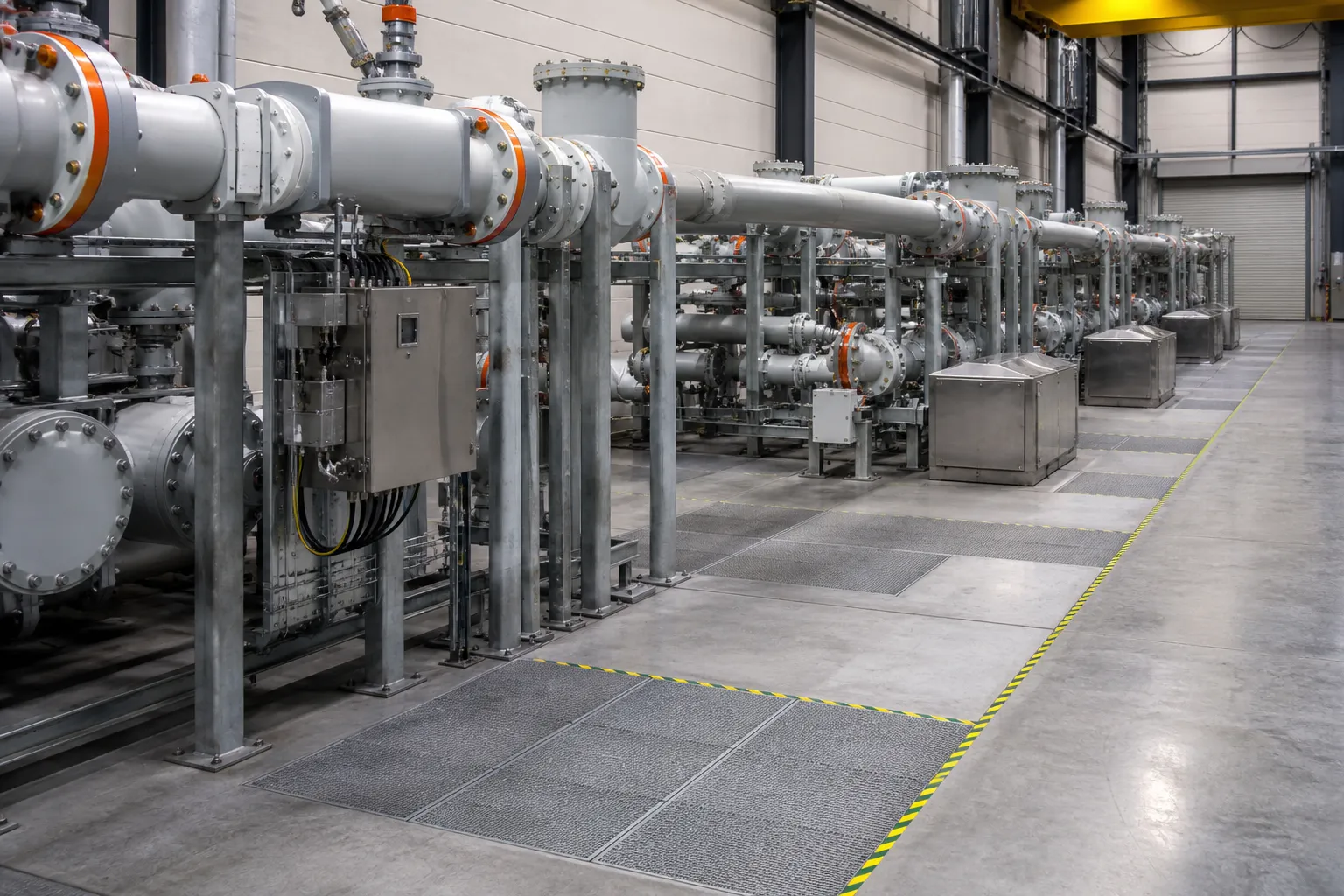
The heat and light winds this summer highlighted the British power grid’s reliance on cross-border power connections with continental Europe. On one such day at 10:00 a.m., about one-fifth of the electricity supplied to the British grid came from the continent, and cables from France covered 11% of demand, or 3.54 gigawatts, according to The Guardian World.
This volume was more than double the total output of the UK’s wind power sector at that time. The UK has seven interconnectors with countries in continental Europe and imports about one-tenth of its electricity throughout the year. Imports, particularly from the French grid—where nuclear power dominates—can sometimes be cheaper than generating electricity at British gas-fired power plants.
During the recent solar eclipse, the drop in solar power generation proved to be manageable, just as the National Energy System Operator (NESO) had predicted. At the same time, to balance the system, it was necessary to bring online gas-fired generators at high cost and purchase electricity via high-voltage cross-border transmission lines.
For more breaking news, follow the UA.News Telegram channel.
On the evening of June 23, Neso temporarily halted electricity exports to the Netherlands. An investigation into this incident is ongoing: the British grid operated below operational frequency limits for nearly two hours, although it did not exceed the limits set by law. The Financial Times also reported that in July, Neso ordered wholesale market participants not to export electricity via four interconnectors for several hours in order to meet domestic demand.
Phil Hewitt, director of the energy analytics firm Montel, stated that changing the direction of flows through interconnectors shortly before delivery could create difficulties, particularly for the smaller markets of Belgium and the Netherlands. In May, the rules were amended: late adjustments to the flow direction on six lines connecting to Belgium, Denmark, France, and the Netherlands were limited to 300 megawatts per cable.
The columnist also highlights political risks. Following consumer dissatisfaction with rising domestic prices, Norway imposed a ban on new interconnectors. In 2023, Oslo scrapped plans to lay a 1.4-gigawatt cable to Peterhead in Scotland. Hewitt believes that risks to British prices and security of supply could arise if France’s “National Rally” comes to power and carries out its intention to withdraw France from the EU’s cross-border electricity trading system.


