
US startup says it can transmit solar energy from orbit in 2028 — OilPrice
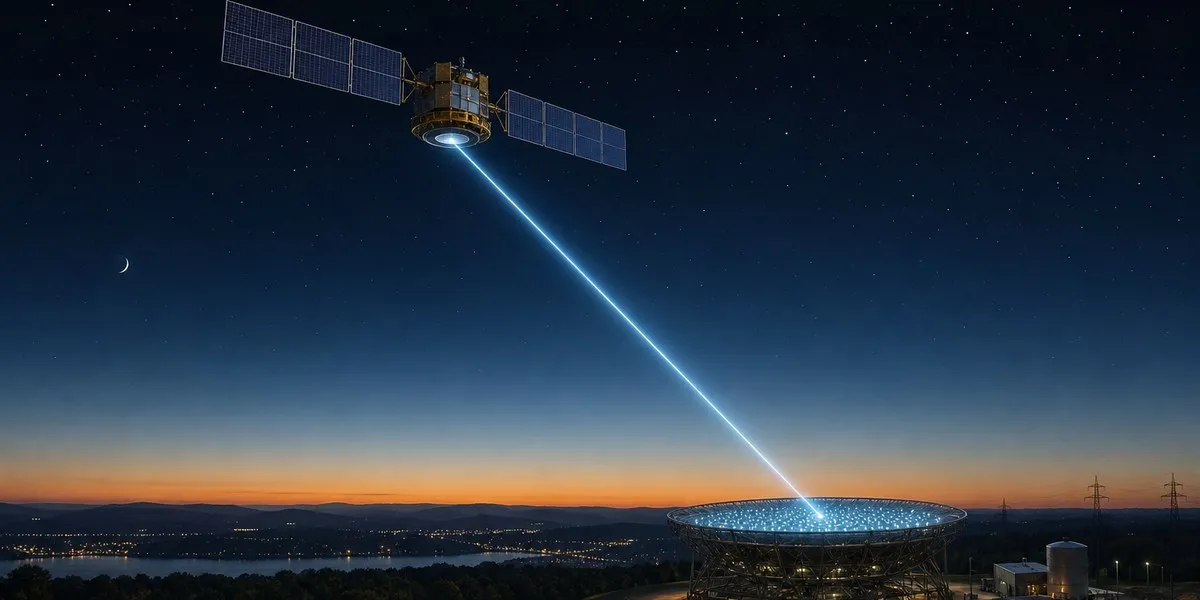
Overview Energy, a US startup based in Virginia, said it could begin transmitting solar energy from orbit to the power grid as early as January 2028. The company has also signed an agreement with Meta to supply up to 1 gigawatt of such energy, OilPrice reports.
Energy from orbit
The concept involves placing solar panels in space, where they can receive sunlight around the clock. The collected energy is planned to be transmitted to Earth using powerful lasers or microwave beams, depending on the technology used.
Overview Energy co-CEO Darko Filipi said the company considers its technology suitable for producing electricity on a power-system scale. In his estimate, the startup could provide a quarter of the growth in US electricity demand over the next decade. The agreement with Meta provides for the supply of up to 1 gigawatt of space-based solar energy, roughly equivalent to the capacity of one nuclear reactor.
Doubts about cost
At the same time, the technology has not yet been tested in real-world conditions. Even the optimistic forecasts cited in the article indicate that space-based solar power is unlikely to become cost-competitive before 2040.
More current news is available on the UA.News Telegram channel Telegram.
Stanford physicist and RMI think tank co-founder Amory Lovins expressed doubts primarily about the project’s economic feasibility. He noted that nuclear and geothermal power can generate clean electricity around the clock at a lower cost.
Land shortage for energy
One factor driving interest in space-based solar power plants is a shortage of suitable land plots for large ground-based solar projects. According to McKinsey, large solar and wind power plants require at least ten times more area per unit of capacity than coal- or gas-fired power plants, including land for fuel extraction and transportation.
Supporters of the technology believe orbital systems could transmit electricity to the grids where it is most needed at a particular time. Interest in such developments is also linked to growing electricity demand from large data centers and artificial intelligence systems.


