
European gas prices rise amid tensions around the Strait of Hormuz — OilPrice
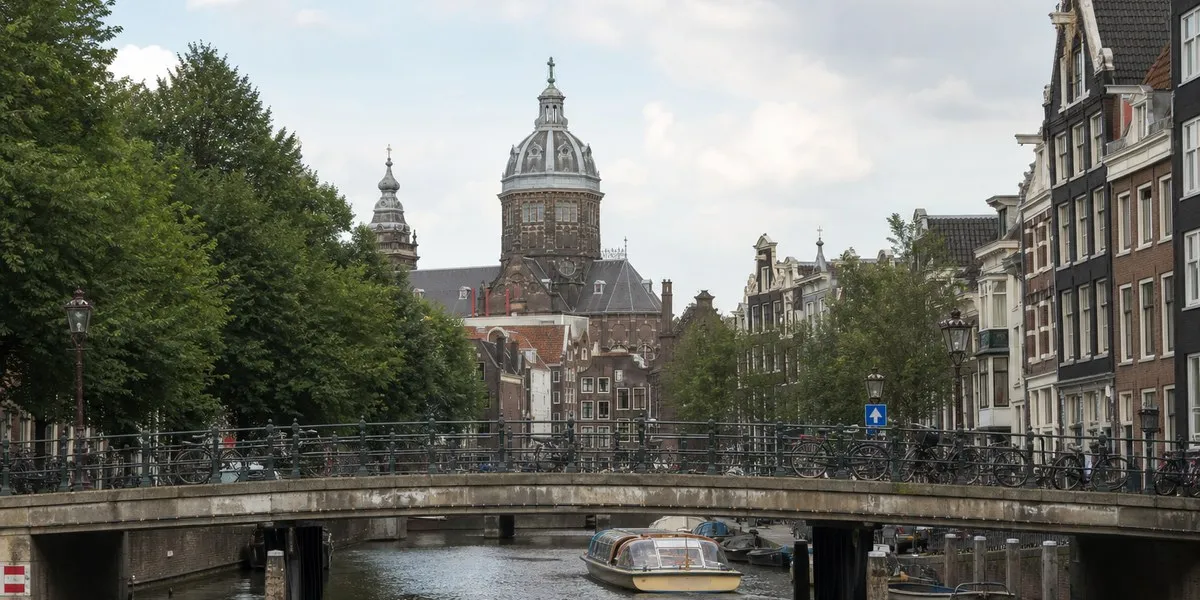
In trading in Amsterdam, the Netherlands, on Thursday, European natural gas prices rose by 4% at the opening. The front-month contract at the Dutch Title Transfer Facility hub, the benchmark for the European gas market, later eased somewhat but was still 3% higher by mid-morning, at €74, or $84.30, per megawatt-hour.
As OilPrice reports, the market is reacting to uncertainty over supplies of liquefied natural gas through the Strait of Hormuz. The United States and Iran resumed indirect contacts and negotiations on the sidelines of the UN General Assembly in New York this week, but no progress in them was reported.
Prices below the monthly high
The current price is below this month’s high of €82, or $93, per megawatt-hour. This was the highest level since January 2023, when Europe was going through its first winter without most Russian pipeline gas supplies.
More current news is available on the UA.News Telegram channel Telegram.
Despite the price correction in recent days, concerns over the volumes of LNG actually leaving the Middle East have again supported quotations. European countries are also trying to fill gas storage facilities ahead of winter.
LNG supplies remain limited
According to the publication, individual LNG cargoes from Qatar and the United Arab Emirates have managed to pass through the Strait of Hormuz in recent weeks. However, their volumes remain too small to significantly affect the global balance of liquefied gas.
Fitch Ratings this week raised its assumptions for gas prices at the TTF hub for the current and next years because of the conflict with Iran. Fitch noted that before the conflict, about 20% of global LNG supplies passed through the Strait of Hormuz. It also estimated EU gas storage levels at around two-thirds, below the 80–90% levels recorded during this period in 2022–2025.




