
Estonia assesses risks of rising electricity prices in winter — ERR News
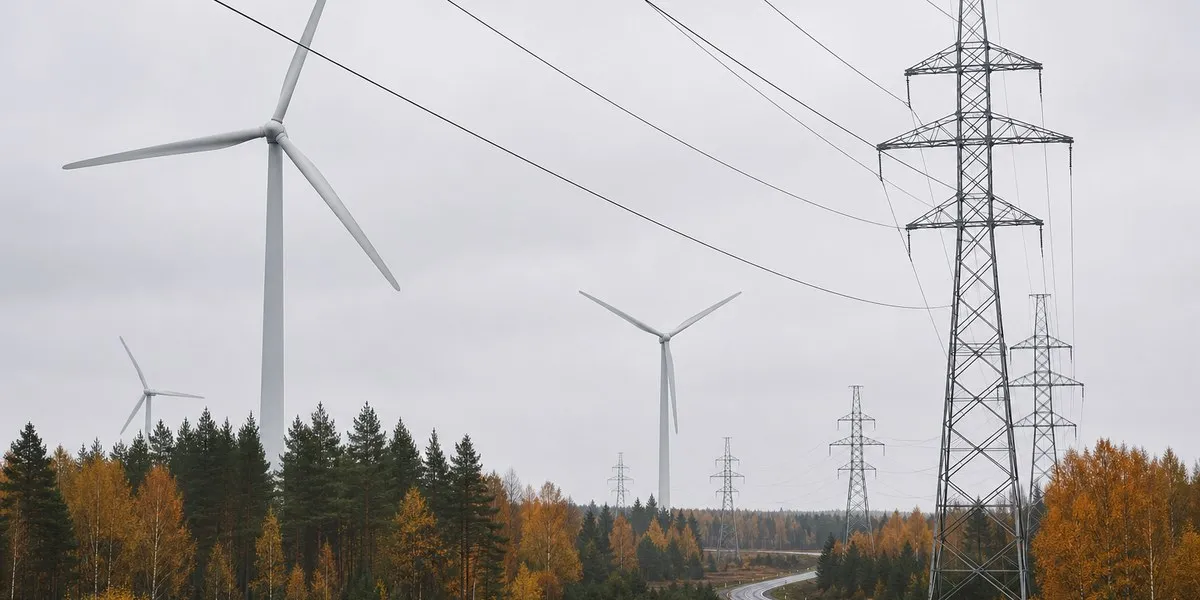
In Estonia, the risk of high electricity prices in winter has increased due to more expensive gas, low water reserves in Northern European reservoirs, and higher costs of CO₂ emission allowances. At the same time, weather will remain the decisive factor for the market, writes Tiit Hõbejõgi, a member of the management board of Enefit OÜ and head of energy trading, in a column for ERR News.
According to him, electricity demand usually rises in winter due to heating needs, while the volume of cheap solar generation declines. It is difficult to predict the price level: consumers can either accept the risk of winter market fluctuations or choose a fixed-price contract.
Gas and water reserves
Hõbejõgi noted that gas prices have risen nearly 2.5-fold over the past year due to developments on the global market and tensions in the Middle East. European gas storage facilities were 67% full ahead of autumn, which, according to his data, is the lowest figure since 2011, when the relevant statistics began to be kept.
Although Estonia generates relatively little electricity from gas, gas-fired power plants often determine the market price in Europe during peak consumption hours. According to the author's estimate, the variable costs of a gas-fired power plant increased from around €100 per MWh last September to €180 per MWh. When such plants set the price, the cost of electricity for consumers, including taxes and charges, exceeds 21 euro cents per kWh.
More current news is available on the UA.News Telegram channel Telegram.
Another risk is the low water level in reservoirs in Northern European countries. After an exceptionally cold winter and a hot, dry summer, it had fallen to its lowest level in 30 years before the start of autumn. This could reduce the availability of cheap hydropower and weaken Estonia's ability to import cheaper electricity from the north.
Weather and new capacity
In Hõbejõgi's view, favorable weather could restrain prices. A rainy autumn could replenish water reserves, a windy winter could increase renewable energy production, and warmer winter months could reduce demand and the need for expensive gas generation.
This year, the Baltic countries' market also added new wind capacity equivalent to about three Auvere power plants, or 900 MW, as well as 500 MW of energy storage systems. Under good wind conditions, electricity prices this month remained 35% lower than last year despite more expensive gas and low water reserves in Northern European countries.
The author believes that a fixed-price contract may suit those seeking predictable costs and wishing to avoid the risk of winter price spikes. A market-based tariff, in turn, is suitable for consumers prepared for price fluctuations and able to shift electricity consumption to cheaper hours.


