
South Korean President Lee discusses Asia’s energy security with IEA — Korea Herald
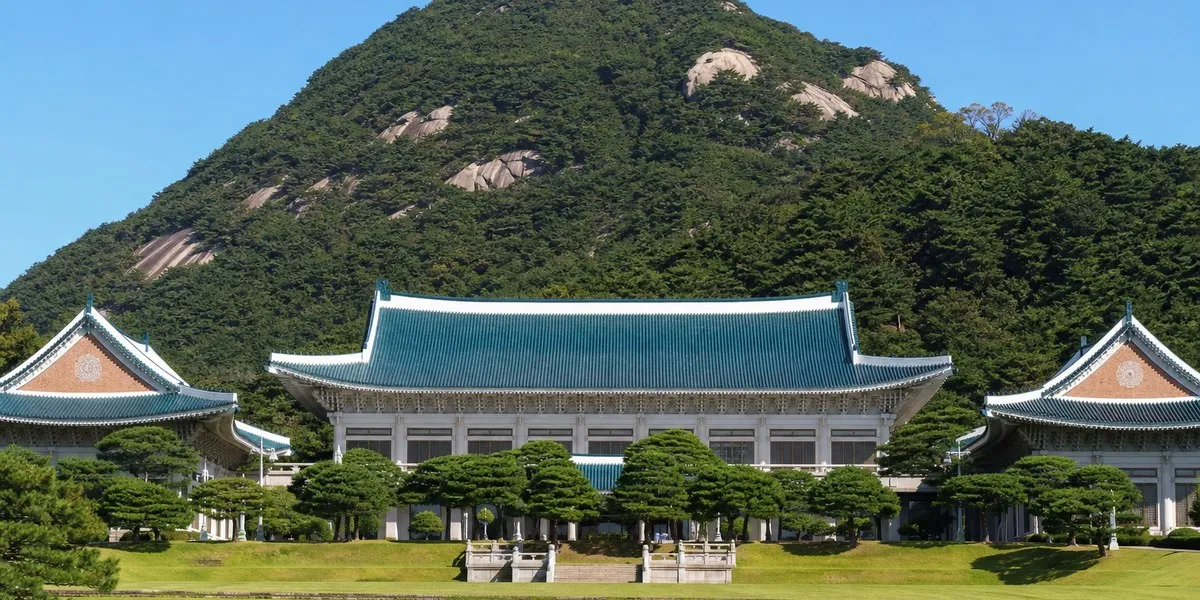
In Seoul, South Korean President Lee Jae Myung met with International Energy Agency Executive Director Fatih Birol to discuss strengthening energy security in the Asia-Pacific region. As Korea Herald reports, the meeting took place amid the crisis around the Strait of Hormuz, which exposed the region’s vulnerability to disruptions in energy supplies.
Regional coordination
The meeting was partly a continuation of an initiative that Lee Jae Myung presented at the G7 summit in June. At the time, he called on energy-importing countries in the Asia-Pacific region to strengthen cooperation to increase the resilience of supply chains.
The proposed approach envisages a shift from purely national measures to practical regional interaction. Possible areas include information sharing, early warning mechanisms, coordination of emergency responses, and steps to stabilize supplies of crude oil and petroleum products.
Seoul seeks to develop specific formats for such cooperation together with the IEA and key partners, supporting the IEA Regional Cooperation Centre in Singapore as a platform for coordination on energy security in Asia.
More current news is available on the UA.News Telegram channel Telegram.
Oil reserves and electrification
According to South Korea’s presidential administration, Lee and Birol were also to discuss the situation in global energy markets and industry amid the conflict in the Middle East and climate risks, including devastating floods in Nepal. According to Korea Herald, the war with Iran, which began on February 28 after joint US and Israeli strikes, has effectively blocked the Strait of Hormuz, an important route for global energy supplies.
In mid-March, IEA member countries unanimously agreed to release 400 million barrels of oil from emergency reserves to the market. This was the largest coordinated release of stocks in the agency’s history.
The parties were also to discuss strengthening global energy security amid what the IEA calls the “age of electricity.” This refers to the growing role of electricity due to electrification, data centers for artificial intelligence, and semiconductor production, as well as the importance of reliable supplies of critical minerals and equipment for power grids.


