
Oil production in Guyana exceeds 900,000 barrels per day — OilPrice
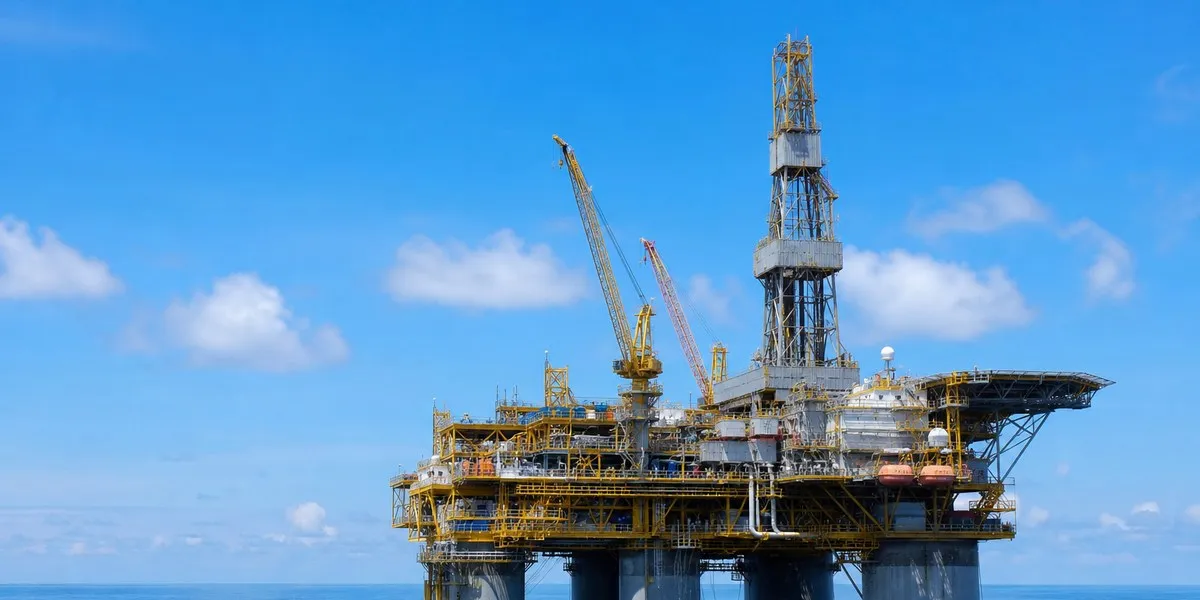
Oil production in Guyana has already exceeded 900,000 barrels per day and could reach more than 1 million barrels per day by the end of 2026. OilPrice reports, citing the country’s Minister of Natural Resources, Vickram Bharrat. Oil was discovered in the offshore Stabroek block in 2015, and production began in December 2019.
Thanks to the expansion of its oil sector, Guyana has become South America’s third-largest oil producer after Brazil and neighboring Venezuela. The authorities also plan to monetize the country’s gas resources and strengthen the economic impact of the extractive industry.
Growth forecasts
Guyana’s GDP is expected to grow by 20.8% in 2026, including due to a projected 17.9% increase in oil production. The country’s expected oil revenues this year are estimated at $6.5 billion. According to data cited by the publication, Guyana’s economy grew by 63.3% in 2022, 33.8% in 2023, 43.6% in 2024, and 10.3% in 2025.
In the first half of 2026, economic growth amounted to 33%, according to the government. The International Monetary Fund, OilPrice notes, believes that the development of the oil sector is accelerating Guyana’s path toward high-income country status. At the end of 2024, the National Natural Resource Fund exceeded $3.1 billion.
More current news is available on the UA.News Telegram channel Telegram.
New projects and debate over revenues
The Guyanese government intends to increase oil production to approximately 1.3 million barrels per day in 2027 and 1.7 million barrels per day in 2030. The $12.7 billion Uaru project, as well as Whiptail, Hammerhead, and Longtail, are expected to contribute to increased production.
At the same time, there is a debate in the country over what share of oil profits the state will receive. University of Guyana economist Thomas Singh called Guyana’s 14.5% revenue share from Exxon consortium operations an unfavorable arrangement compared with the shares received by the governments of Norway and Brazil. Exxon’s Guyana operations head, Alistair Routledge, in turn, stated that the escalation mechanism makes it possible to increase the country’s revenues.
The government plans to direct oil funds toward infrastructure, healthcare, education, transport, and the construction of 40,000 homes over the next five years. At the same time, some residents, according to the publication, point out that economic growth has not yet resolved problems with housing, sewage, and security in the capital, Georgetown.




