
District heating tariffs in Narva to rise by more than 30% — ERR News
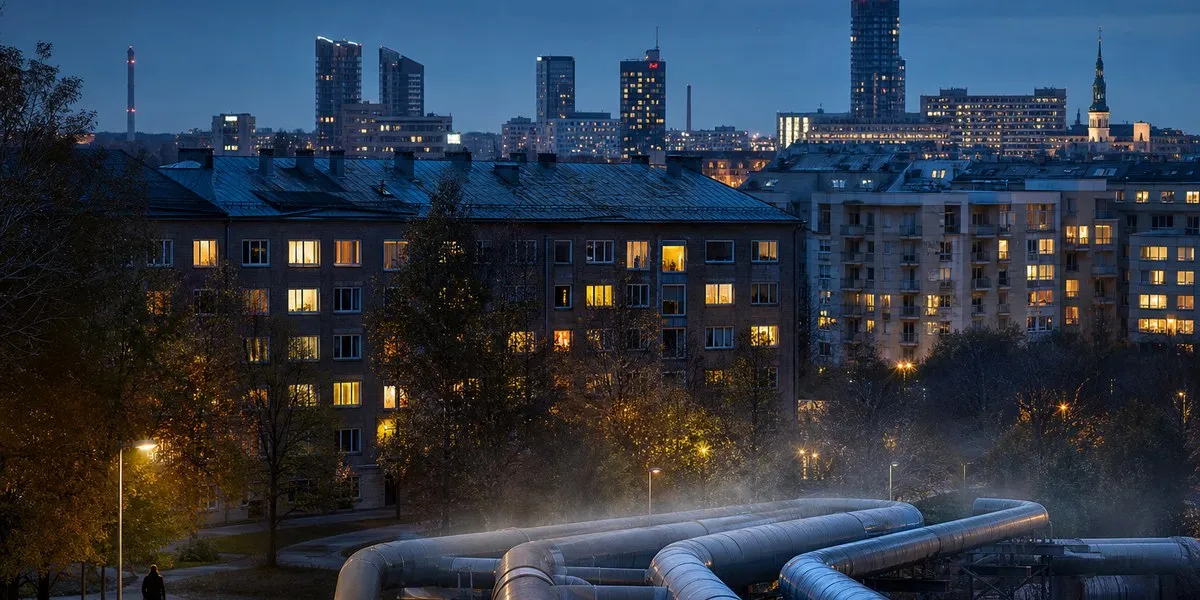
District heating tariffs are rising in Estonia this autumn, with the pace of the increase varying significantly between cities. In Tartu, the price is increasing by around 1.1%, in Pärnu by nearly 14%, in Tallinn by 8.5%, and in Narva by more than 30%, ERR News reports.
Tariffs vary by city
Estonian Competition Authority Director General Evelin Pärn-Lee said that it is difficult to determine the average increase in heating costs for apartment buildings this year. According to her, networks in different regions differ substantially, while the tariffs published by the regulator range from 53 to 150 euros per megawatt-hour.
In Narva, only natural gas is used for district heating, which is expensive. Mayor Jaan Toots said that the Environmental Board had issued a conditional special permit, but Enefit Power is clarifying the conditions under which it can use shale oil to produce heat.
More current news is available on the UA.News Telegram channel Telegram.
According to Toots' estimate, if this fuel is used, the tariff could fall to approximately 65 euros per megawatt-hour, compared with the current 137 euros under gas-based production. He also said that the average winter price could then be around 90 euros per megawatt-hour.
New tariff in Tallinn
Late last week, the regulator approved a new maximum district heating tariff for Utilitas in Tallinn of 84 euros per megawatt-hour. It will take effect from mid-November and will be 8.5% higher.
Utilitas Eesti Management Board Chairman Robert Kitt explained the increase by saying that the price of natural gas has more than doubled over the year, while wood chips and energy from the Iru power plant have become more expensive, as have nearly all production costs. The company expects to launch a large heat pump plant in Paljassaare that will use wastewater and seawater, and hopes to partially replace gas with shale oil. Under these conditions, Kitt said, the price will no longer increase.




