
Pakistan’s business community split over central bank rate at 11.5% — Dawn
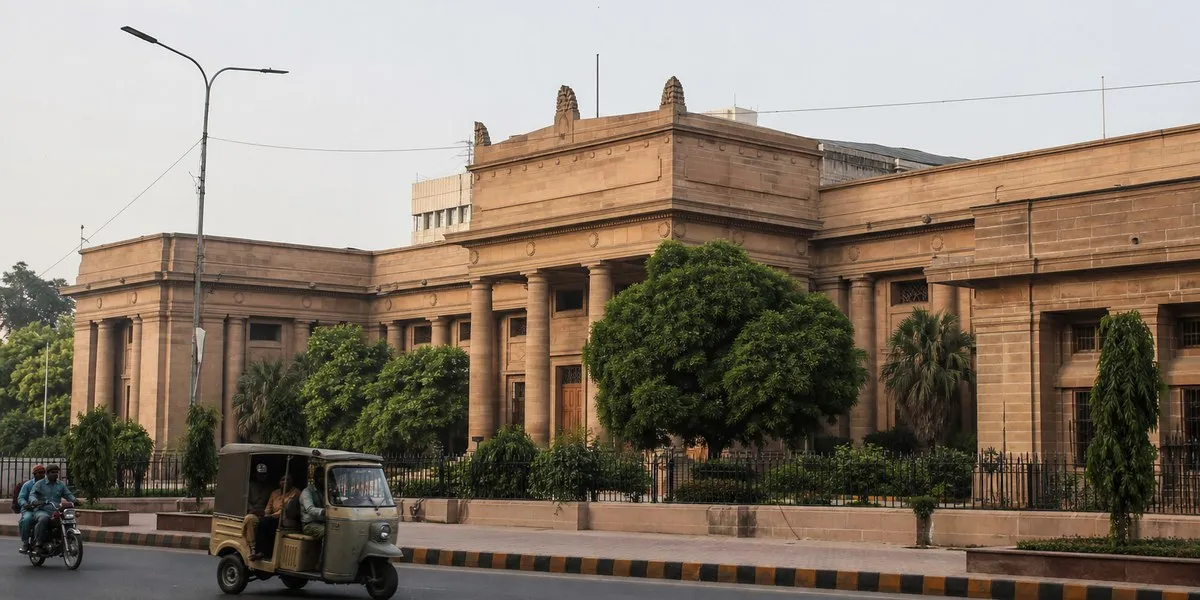
In Pakistan, business representatives assessed the State Bank of Pakistan’s decision to keep the key rate at 11.5% differently. Some trade and industrial associations called for a reduction to support investment and production, while other market participants supported the unchanged monetary policy, Dawn reports.
Demand to cut the rate
The Federation of Pakistan Chambers of Commerce and Industry (FPCCI) expressed disappointment with the Monetary Policy Committee’s decision to leave the rate unchanged. The organization said that trade and industry need relief amid economic stagnation, while keeping the rate at this level would restrain economic activity and industrial recovery.
FPCCI President Atif Ikram Sheikh said that the business community had demanded that the rate be cut to a single-digit level in order to reduce the cost of doing business. According to him, the central bank’s cautious approach does not correspond to current economic conditions. He also noted that the country’s trade deficit increased by 18.1% year-on-year in July–August 2026.
The FPCCI pointed to high energy tariffs, rising fuel prices, geo-economic uncertainty and high financing costs as factors putting pressure on industry. Muhammad Ikram Rajput, president of the Korangi Association of Trade and Industry, also said that high rates are slowing the recovery of industrial activity, new investment and the export sector.
More current news is available on the UA.News Telegram channel Telegram.
Arguments in favor of a pause
The Overseas Investors Chamber of Commerce and Industry (OICCI) described the central bank’s decision as prudent and balanced. It noted that inflation and core inflation remained high, while foreign exchange reserves had strengthened, remittances were substantial and industrial recovery was uneven.
The OICCI emphasized that an unchanged rate provides businesses with policy predictability and room to plan investments, but does not replace reforms. The chamber called on the authorities to support monetary stability with fiscal discipline, rationalization of energy costs, predictable tax policy, faster tax refunds and reforms to make doing business easier.
The Rawalpindi Chamber of Commerce and Industry also supported the decision, citing global inflationary pressure due to the conflict in the Middle East involving Iran and rising international prices for energy and raw materials. Its president, Usman Shaukat, said that Pakistan, as a net fuel importer, is directly vulnerable to such price shocks.


