
Iraq devalues dinar to 1,500 per dollar — The National
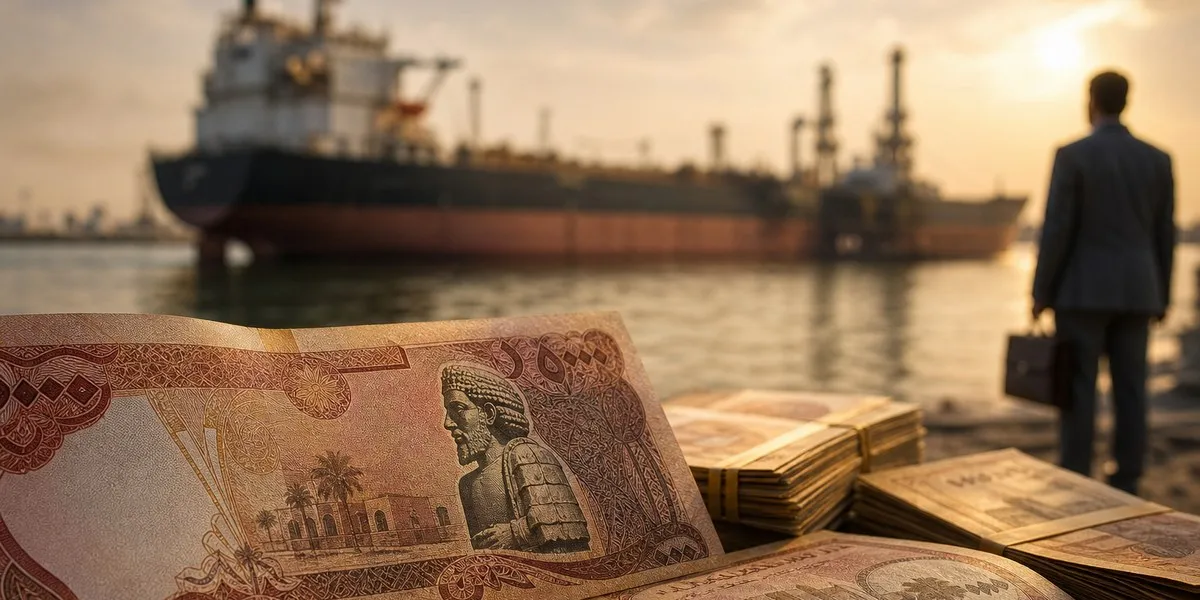
Iraq has officially devalued its national currency, setting a new official exchange rate of 1,500 Iraqi dinars per one US dollar. Iraq’s Council of Ministers approved the decision on the recommendation of the Central Bank, The National reports.
Rates for banks and the public
Under the regulator’s directive, the Central Bank will buy dollars from the Ministry of Finance at a rate of 1,500 dinars per dollar. Dollars will be sold to banks at 1,510 dinars and to the public at 1,520 dinars per dollar.
Licensed banks, electronic payment companies and exchange offices were instructed to update their systems, notify branches, stop applying the previous rate and switch to the new rates from the start of business on Tuesday.
More current news is available on the UA.News Telegram channel Telegram.
Reasons and consequences
This is the second major devaluation of the Iraqi dinar in six years. In December 2020, amid falling oil prices during the Covid-19 pandemic, the Central Bank lowered the rate from 1,182 to 1,450 dinars per dollar to cover a substantial deficit. Later, under the previous government, the official rate was adjusted to 1,320 dinars per dollar.
According to the publication, the current decision was made amid a deepening cash shortage following the start of the war between Iran and Israel, as well as periodic closures and threats to shipping in the Strait of Hormuz. More than 90% of Iraq’s budget revenues in dollars are provided by oil exports, almost all of which pass through this strait.
Rising ship insurance costs, disruptions to tanker traffic, shipment delays at Basra’s southern oil terminals and discounts on oil have reduced the country’s foreign currency revenues, The National writes. A weaker dinar gives the government more dinars for every dollar from oil sales, but also makes imported food, medicines, cars and construction materials more expensive.




