
CNBC survey respondents expect Warsh to explain his economic views
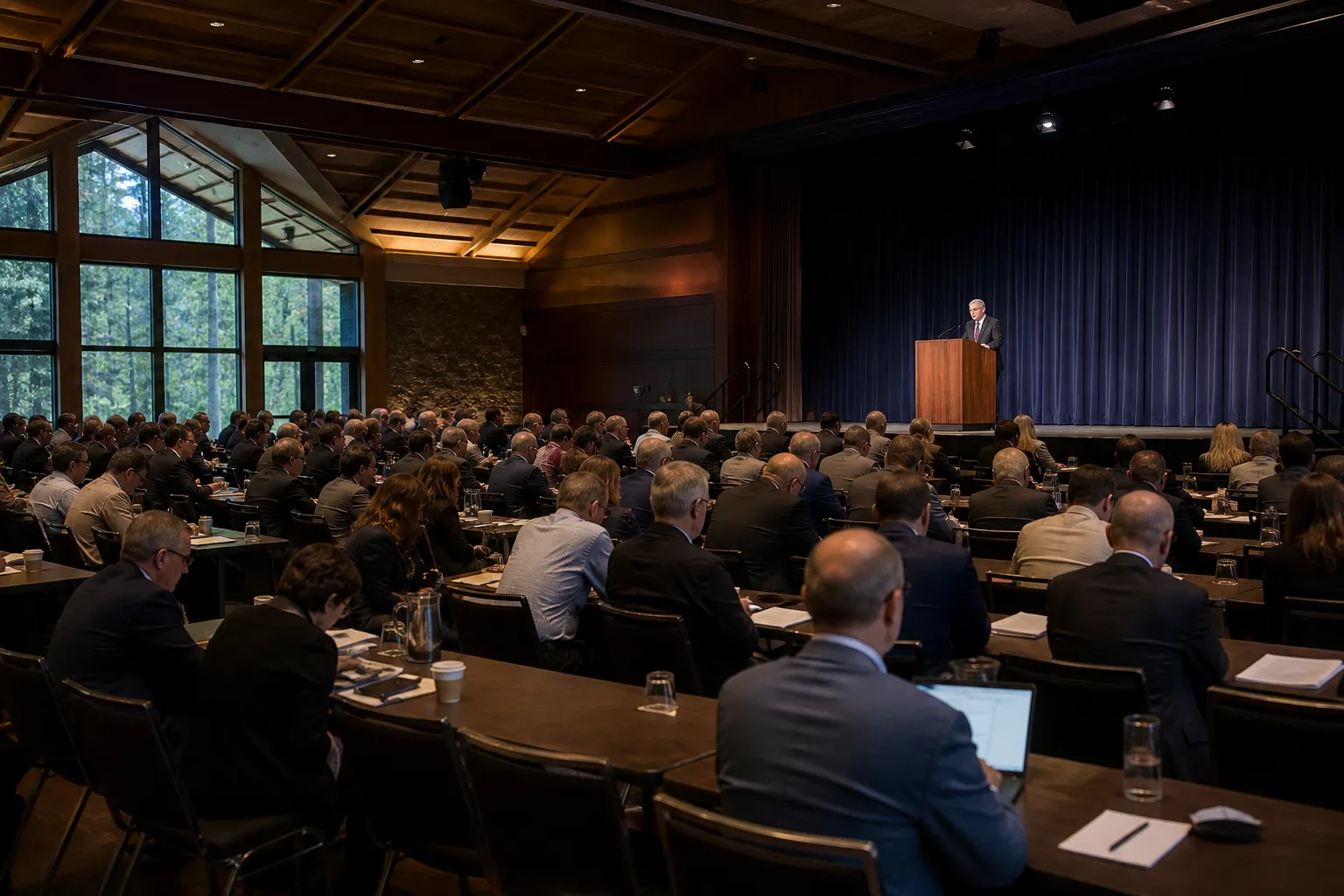
Eighty percent of respondents in the CNBC Fed Survey believe that U.S. Federal Reserve Chair Kevin Warsh should explain his views on the economy in greater detail. CNBC reports this ahead of the Fed’s annual symposium in Jackson Hole, where Warsh is scheduled to deliver his first keynote speech on Friday.
The survey included 31 economists, strategists and investors. At the same time, respondents were evenly split — 48% each — on whether the Fed chair should provide his own forecast for interest rates. Since taking office, Warsh has largely refrained from detailed comments on the economic outlook and monetary policy.
Expectations for the speech
According to the survey, 45% of respondents expect Warsh not to provide guidance on rates in his speech. Another 32% forecast a somewhat hawkish tone, while 19% believe his stance will be neutral.
Warsh explained his limited communication by the desire to gain a clearer picture of market pricing without the influence of Fed signals. At the same time, 65% of respondents agreed with his position that the central bank could comment less on policy in order to better see market signals regarding the necessary level of rates.
More current news is available on the UA.News Telegram channel Telegram.
Forecasts for yields and rates
Seventy-seven percent of survey participants believe that U.S. Treasury Secretary Scott Bessent’s efforts to lower government bond yields will not succeed. Last week, the U.S. Treasury announced an unexpected increase in purchases of previously issued long-term securities. Respondents forecast that the yield on 10-year U.S. bonds will remain within the 4.60–4.70% range through the end of next year.
Survey participants attributed the rise in bond yields primarily to an increase in the global supply of debt — 37%. Another 28% explained it by higher inflation expectations, 21% by expectations regarding Fed rates, and 19% by improved forecasts for economic growth.
Over the next year, 53% of respondents expect Fed rates to rise, 30% expect them to fall, and 16% forecast no changes. Inflation, according to the average forecast, is expected to slow from 3.4% this year to 2.6% next year, unemployment is expected to remain near 4.3% through 2027, and GDP growth is expected to be slightly above 2%.


