
Japan’s reserves posted a record decline in August after currency interventions
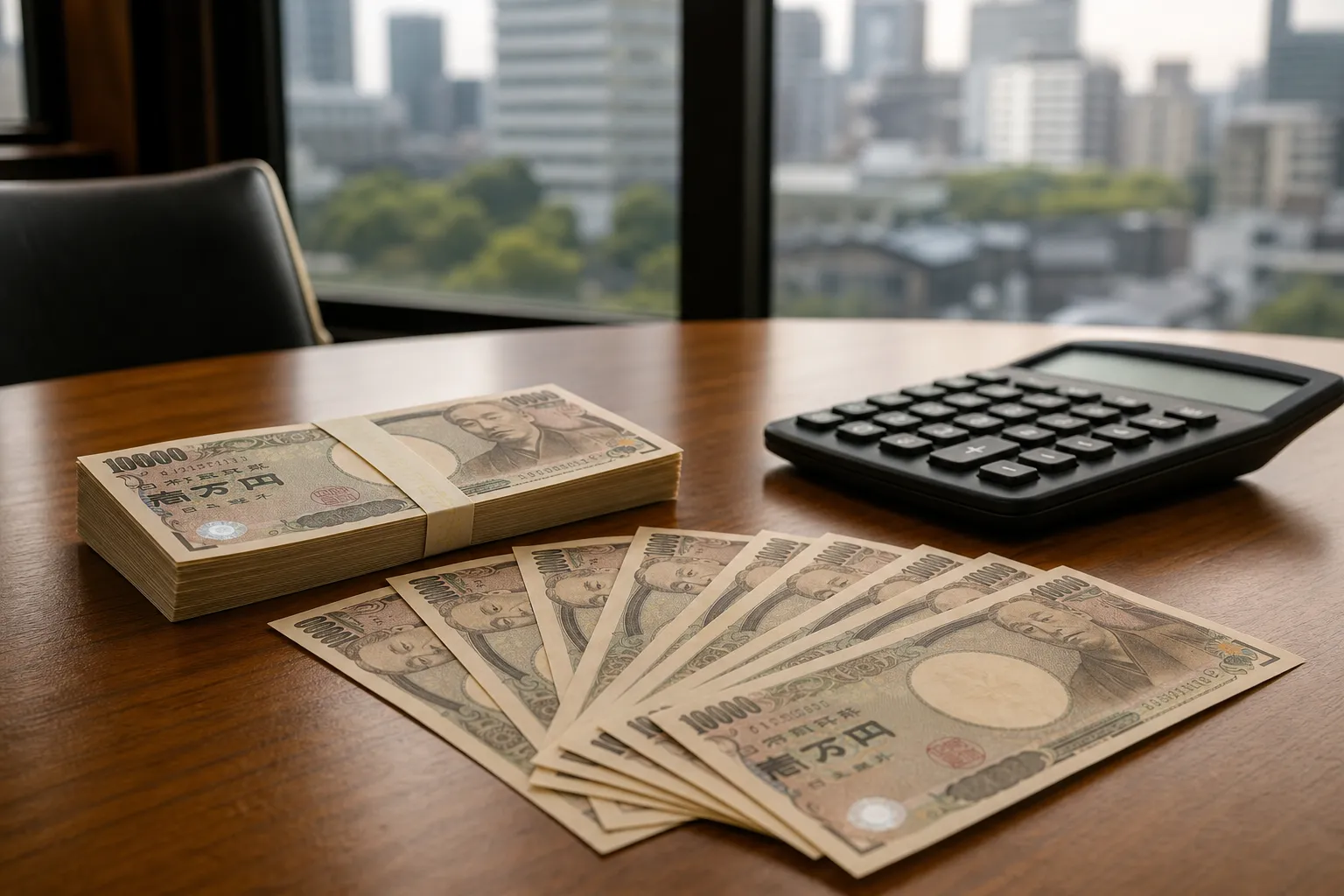
Japan’s foreign exchange reserves stood at $1.208 trillion at the end of August, falling by a record $79.6 billion, or 6.18%, over the month. According to Japan’s Ministry of Finance, the decline followed large-scale dollar-selling and yen-buying operations aimed at curbing the weakening of the Japanese currency.
Largest monthly decline
According to Channel NewsAsia, which published a Reuters report, this was the largest monthly decline in Japan’s reserves on record. At the end of July, they stood at $1.287 trillion.
Foreign securities, which are mainly represented by U.S. Treasury bonds, saw the largest decrease. They account for about 70% of Japan’s reserves. These securities were largely acquired during dollar-buying operations around two decades ago.
More current news is available on the UA.News Telegram channel Telegram.
From July 30 to August 26, Japan spent 15.4 trillion yen, or $98.66 billion, on currency interventions. According to the Ministry of Finance, this was the largest volume of interventions in a single month since records began.
Yen exchange rate dynamics
The interventions helped the yen strengthen from nearly 164 yen per dollar — a level close to a 40-year low — to 155.20 yen per dollar by August 3. Subsequently, the Japanese currency weakened again to nearly 160 yen per dollar, but recovered to 155–156 yen per dollar in early September.
Japan conducted some of its yen-buying operations jointly with the United States. This was the first coordinated currency intervention by the two countries since 2011. Tokyo and Washington also stated that Japan could use a U.S. Federal Reserve mechanism created in 2020 to obtain dollar liquidity without directly selling U.S. government bonds.




