
Turkey considers using gold reserves to support the lira amid economic challenges
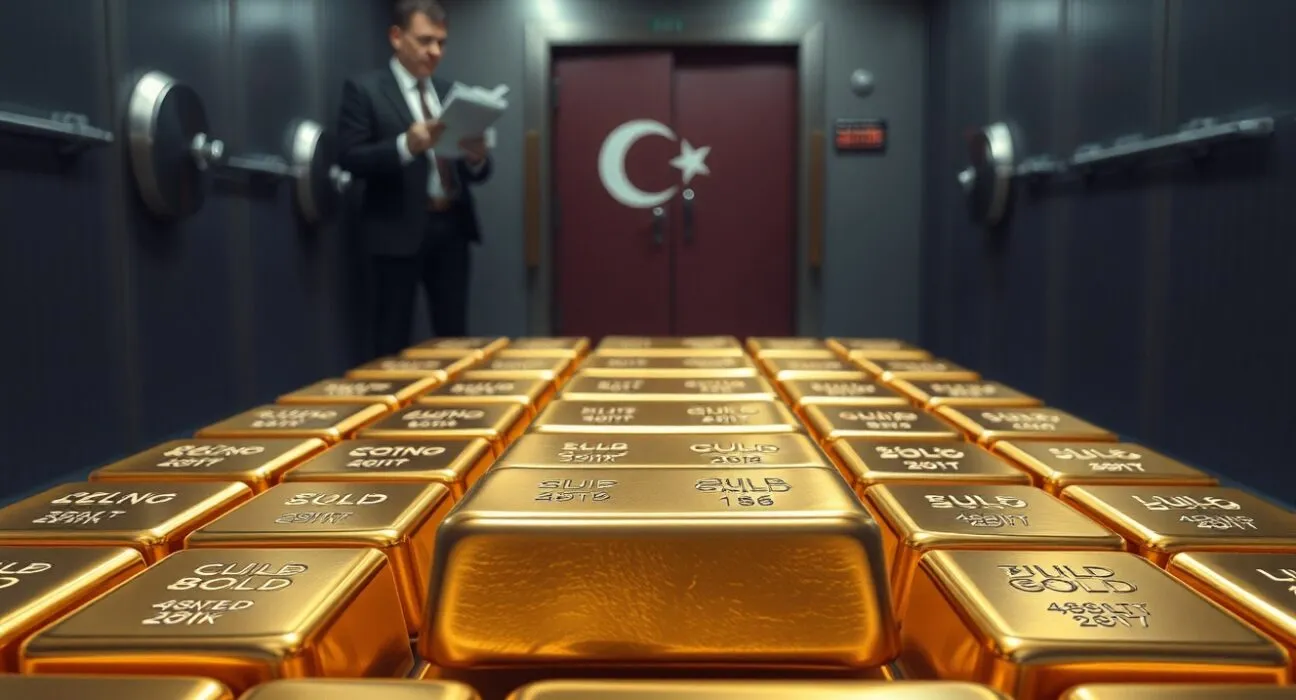
Turkey is exploring the possibility of using its $135 billion gold and foreign currency reserves to bolster the national currency, the lira, Bloomberg reports. This measure is being considered against the backdrop of economic instability linked to the crisis in Iran, prompting the Central Bank to potentially carry out currency interventions.
Around $30 billion of these reserves are held at the Bank of England and are readily accessible. In recent weeks, the Central Bank has sold foreign bonds, including U.S. Treasury securities, worth $16 billion. Inflation in Turkey has reached 31.5%, one of the highest globally. Funding costs in lira have been raised to 40%, while the base interest rate remains at 37%.
Foreign investors are actively withdrawing from Turkish government bonds, while domestic residents are purchasing dollars at rates above the interbank level. The lira trades near 44.35 per dollar and is gradually depreciating, with traders anticipating further interest rate hikes to 38–39% or higher.
Additionally, the economic crisis in Iran complicates the situation further, as Turkey had been a major gas buyer from Iran. The South Pars gas field in Iran has suspended gas exports to Turkey, affecting the energy supply balance.
The Central Bank of Turkey, established in 1930, serves as the main regulator of monetary policy and economic stability in the country. Its primary responsibilities include controlling inflation, managing money supply, and supporting the lira.
Deploying gold and currency reserves to support the lira is intended to stabilize the market and prevent further decline of the national currency amid macroeconomic uncertainty and external pressures. Upcoming decisions by the regulator will have significant implications for the country's economic trajectory.
In the near future, further monetary policy adjustments and potential interest rate increases are expected to curb inflation and stabilize financial markets.


