
Doctor explains parents’ role in recovery after a concussion — TIME
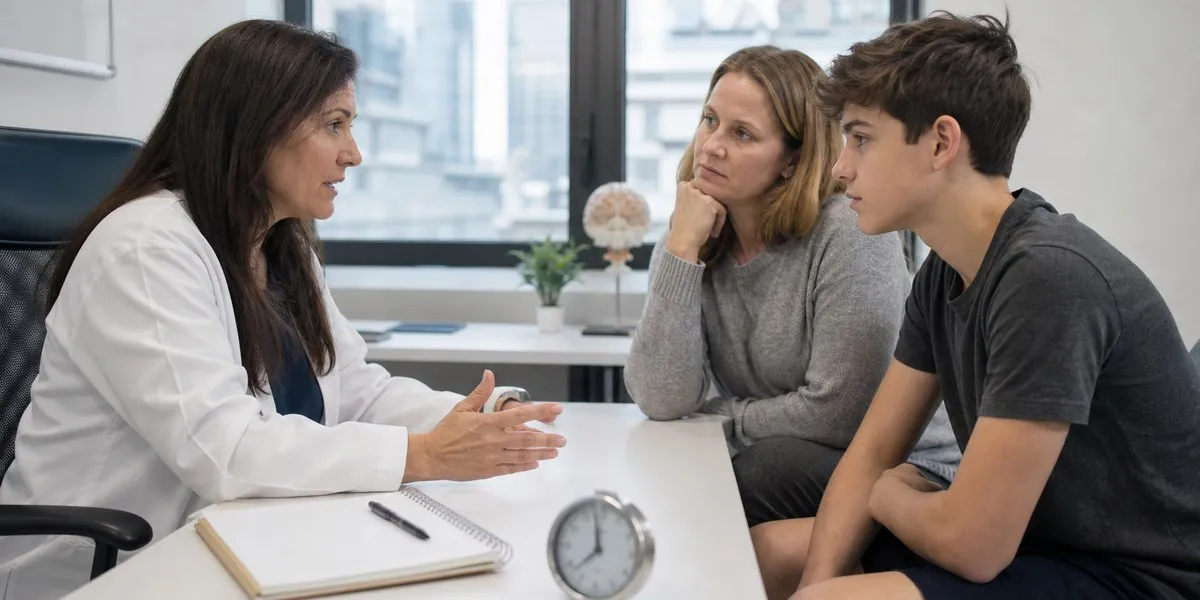
In the United States, the temporary active involvement of parents can help children and young adults follow a recovery plan after a concussion, according to Dr. Tina Shatty, founder and director of a concussion treatment clinic in New York. She outlined her observations in an opinion column for TIME.
According to data cited by the author, more than one million children in the United States sustain concussions each year. An estimated 50% of all cases, she says, remain undetected, unreported and untreated. Shatty emphasizes the importance of early and active intervention using targeted therapy methods.
Monitoring the recovery routine
In the doctor’s view, after an injury, parents can closely monitor a child’s routine for a period of time: sleep, meals, rest, physical activity and the gradual adjustment of screen time. Recovery, Shatty notes, may require a significant reduction in cognitive workload, screen use, and school or work demands for several weeks.
More current news is available on the UA.News Telegram channel Telegram.
According to the doctor’s observations at her clinic, patients whose parents were actively involved were more likely to recover faster and had fewer complications or setbacks in recovery. She describes this role as temporary: adults can help maintain bedtimes and wake-up times, plan meals, monitor exercises and gradually increase workloads.
Support for young adults
According to Shatty, this approach can also be useful for young adults who already live independently. She cited examples of patients who, after injuries, found it difficult to perform everyday tasks and independently follow recovery recommendations.
The doctor believes that the injury itself can limit a patient’s ability to follow a complex routine. After treatment is completed, she notes, patients return to their usual activities, including sports, studies and socializing with friends, and once again plan their lives independently.


