
AI-Mind AI tools assess dementia risk — Cyprus Mail
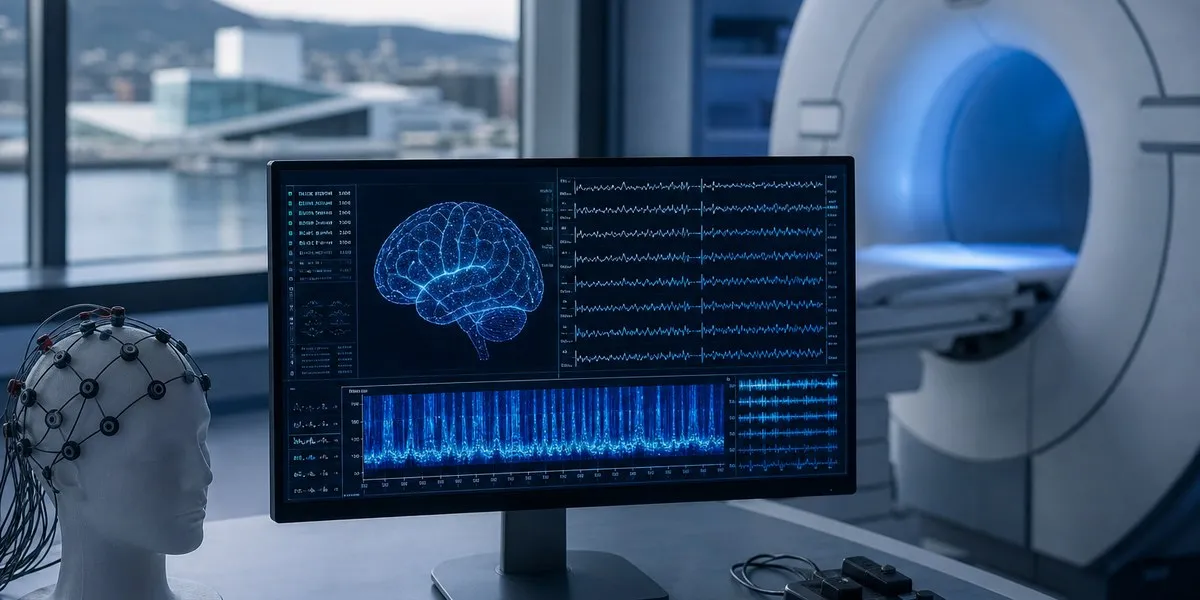
Researchers at Oslo University Hospital in Norway, as part of the EU-funded AI-Mind project, have developed two artificial intelligence-based tools for the early detection of dementia risk. The systems are designed to help specialists identify people who may need further monitoring, intervention and support before clinical symptoms emerge, Cyprus Mail reports.
Analysis of brain activity and medical data
The project team processed data from 1,000 Europeans, spending more than 50,000 hours collecting and analysing it. The information was processed on dedicated servers using protocols to protect patients’ personal data.
The first tool, AI-Mind Connector, analyses data on the brain’s electrical activity. Researchers note that changes in such activity may occur at early stages of dementia development. The system searches for patterns that may be associated with an increased risk of dementia.
The second tool, AI-Mind Predictor, uses artificial intelligence to further assess the likelihood of progression from mild cognitive impairment to dementia. It takes into account AI-Mind Connector results, cognitive function indicators, biological markers, medical history, as well as a person’s age, education and place of residence.
More current news is available on the UA.News Telegram channel Telegram.
Focus on people with cognitive impairment
One of AI-Mind’s main goals is to identify people with mild cognitive impairment who have an increased risk of developing dementia. Such people may experience difficulties with memory or everyday tasks, but dementia does not develop in all patients in this group.
Neurologist and research coordinator Ira Haraldsen said that the purpose of the project is to identify patients before clinical symptoms appear. According to her, when cognitive decline has already progressed to dementia, opportunities for intervention may be lost.
Testing and next steps
The AI-Mind tools have already been tested in clinical and research settings in Norway. The first phase of the project was completed in early 2026, and the team is seeking funding to continue the work and expand it to other countries.
Before being used in medical practice, the systems must receive approval as medical devices in accordance with the EU Medical Devices Regulation. This requires a clinical evaluation, which researchers expect to complete by 2035. The team is also working with Eli Lilly, Roche and Bosch to develop the diagnostic approach. The developers stress that AI should not replace medical decision-making, but should support communication between specialists and patients.




