
How to reduce jet lag in children during flights — ABC News Australia
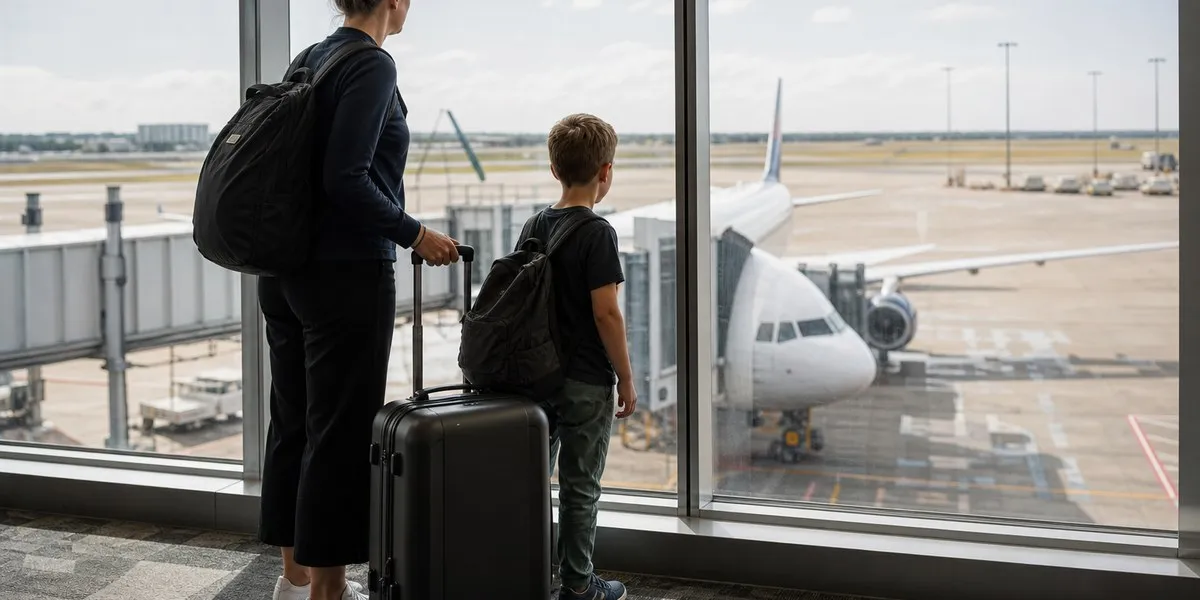
In Australia, sleep and circadian rhythm specialists advise parents to help their child adapt to the local schedule as quickly as possible after flights across several time zones. As ABC News Australia reports, the most effective tool for adaptation is properly timed exposure to daylight.
Why jet lag occurs
Jet lag occurs because of a temporary mismatch between a person's internal biological clock and the local time at the destination. After rapidly crossing several time zones, the body continues to operate according to its previous schedule, which can cause daytime fatigue, lethargy and problems falling asleep at night.
Flying east is usually more difficult, as the body needs to fall asleep earlier than it is used to. When travelling west, a person may feel sleepy earlier in the evening, but it is generally easier to stay awake longer than to fall asleep earlier.
Symptoms in children and the post-arrival routine
In children, jet lag can manifest itself in difficulties falling asleep or staying asleep, irritability, fatigue, nausea and reluctance to eat at the usual time. There are few studies that directly compare the effects of jet lag on children and adults. Available data suggest that children may cope with a time-zone change somewhat more easily. One possible explanation is that they produce more melatonin, which may help them adjust to a new time zone more quickly.
More current news is available on the UA.News Telegram channel Telegram.
Morning light helps shift the internal clock to an earlier time, while light late in the day or in the evening shifts it later. After arrival, it is also recommended to switch to local meal times as soon as possible and maintain the child's usual evening routines, including bathing, reading and bedtime.
Caution with melatonin
Preparation for a trip can begin in advance: for several days before departure, adjust sleep times and control light exposure. Jet lag apps also rely on the timing of light exposure, physical activity and melatonin. Their usefulness is likely to depend on individual data about sleep patterns, chronotype and travel itinerary.
The authors of the article caution against independently using melatonin supplements for children without consulting a medical professional. An incorrectly selected dose or time of intake can worsen jet lag in both children and adults.


