
Why children’s blond hair can darken with age — Live Science
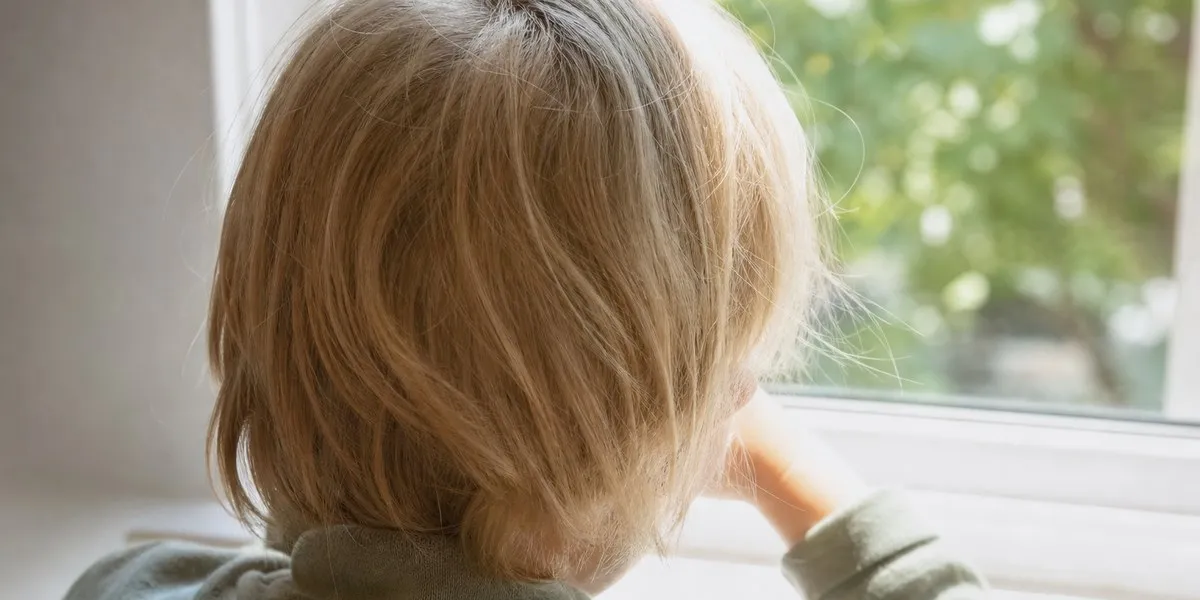
In some children, blond hair gradually darkens as they grow older, most noticeably during puberty. Hair color is determined by the interaction of heredity, pigment-producing cells and hormonal changes, Live Science reports.
The role of melanin
Hair color depends on melanin, which is produced by melanocytes in hair follicles. Eumelanin is responsible for brown and black shades, while pheomelanin gives hair yellow and red tones. The more eumelanin a follicle produces, the darker the hair that grows from it.
Desmond Tobin, a professor of dermatological science at University College Dublin, explained that the changes depend on genetic inheritance. The activity of hair follicles during childhood is not constant: as a child grows, the biological signals that control pigment production can change.
More current news is available on the UA.News Telegram channel Telegram.
Changes during puberty
According to Tobin, in many blond children, hair darkens most significantly at around 10 to 13 years of age. One possible explanation is hormonal changes during this period: estrogens and androgens may stimulate more active production of eumelanin. At the same time, in people who retain blond hair, the formation of this pigment is usually genetically reduced.
Scientists have not yet established which specific genes control the darkening of blond hair and how they interact with hormones. Wojciech Branicki, a researcher in human pigmentation genetics at Jagiellonian University, suggested that hormones may affect follicles differently depending on a child’s genetic characteristics — in particular, melanin production or its movement within the follicle.


