
Sick leave at Stora Enso in Finland fell by 38% — YLE News
In Finland, the number of sick leave days in Stora Enso's timber procurement division decreased during the observation period from 5.6 to 3.5 days per employee per year, or by 38%. These data are cited in a doctoral dissertation by Antti Eikäs, YLE News reports.
Targeted support for employees
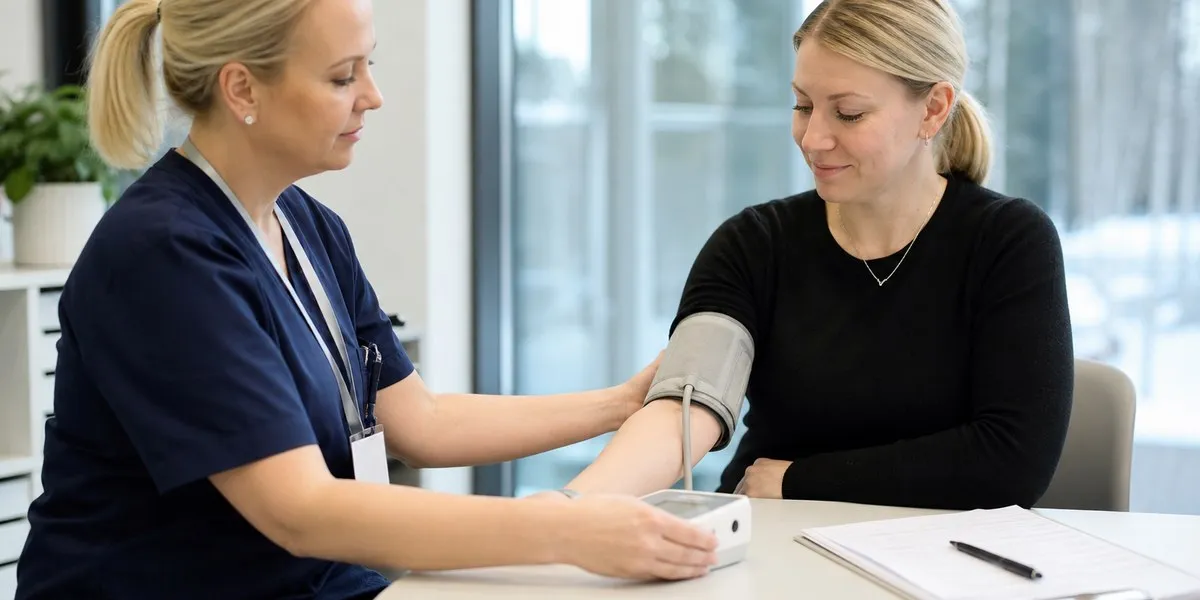
The study covers an employee well-being programme implemented in Stora Enso's Finnish division between 2010 and 2018. Employees underwent health and fitness assessments: their blood pressure, body mass index, aerobic endurance, body fat percentage and muscle strength were measured. They also answered questions about well-being at work.
Employees identified as having risks to their health or work ability were offered individually tailored support. The programme included training groups, physical activity and nutrition services. Measures for stress management, improving the workplace atmosphere and supporting psychological resources were later added. Personal support could last from nine to 12 months.
Eikäs believes that general benefits, including compensation for sports or cultural activities, are insufficient for employees who need support the most. According to him, such benefits are more often used by people who already lead active lifestyles.
More current news is available on the UA.News Telegram channel Telegram.
Programme results and cost
The programme's services were used by 58% of employees who had worked in the organisation for at least one year. Among participants, 67% reported lifestyle changes, and the study also recorded positive trends in physical condition indicators.
At the same time, the study does not prove that all positive changes were a direct result of the programme: it had no control group, and the composition of staff changed during the observation period. According to OECD data, the overall number of sick leave days in Finland remained relatively stable at around 9.2 days per year during that time.
Over nine years, approximately €1.65 million was spent on the programme, while the estimated savings from reduced sick leave amounted to about €780,000. Eikäs noted that the work was unable to assess in monetary terms other possible outcomes, including changes in occupational health costs or productivity.


