
NextDC reports rising water and energy use and profit
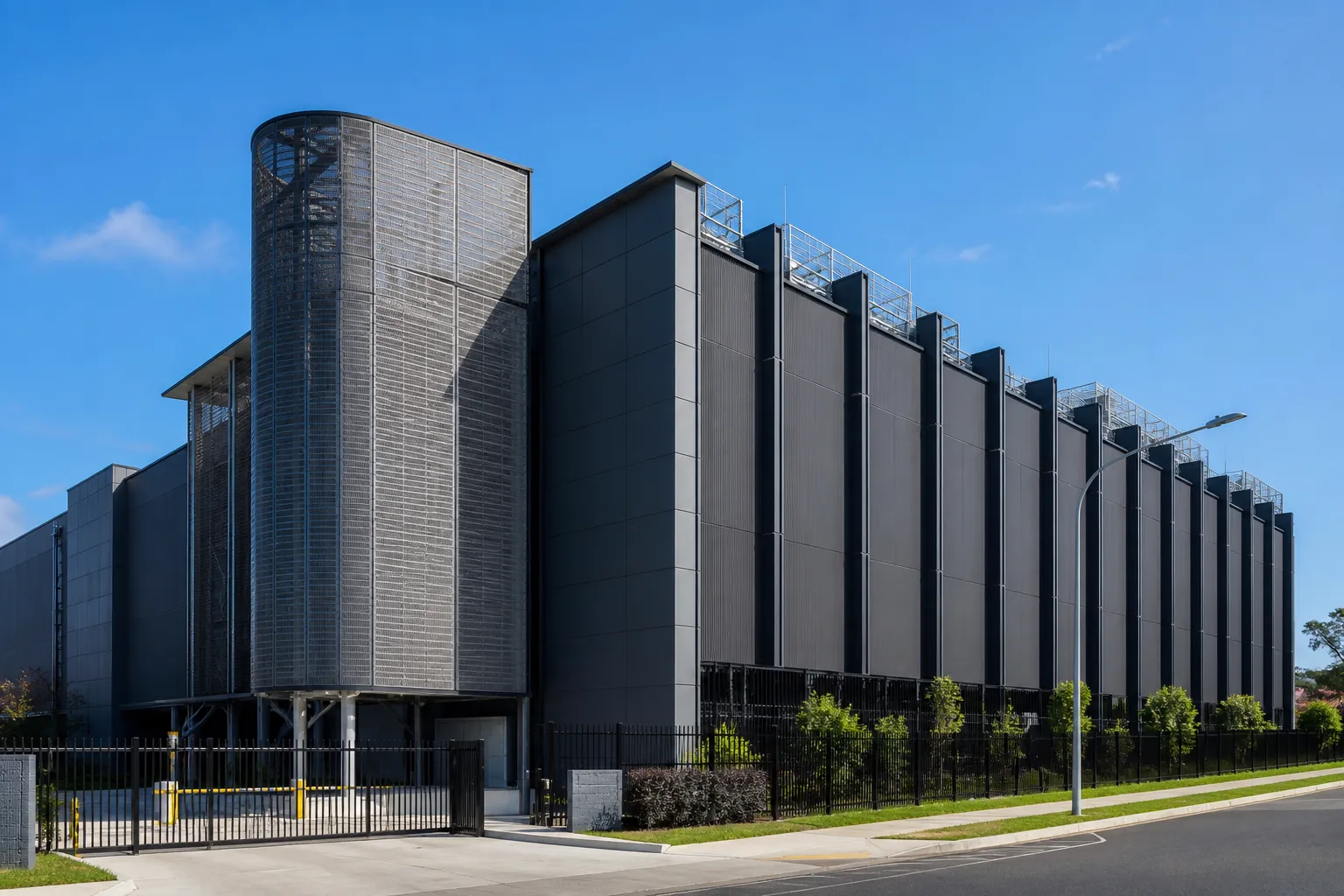
Australian data centre developer NextDC reported increased water and electricity consumption for the year ended in June. At the same time, the company’s revenue rose by 16%, while its net financial result shifted from a loss to a profit, Channel NewsAsia reports.
Water and electricity
NextDC’s water usage effectiveness ratio, or WUE, increased to 2.40 litres per kilowatt-hour from 2.25 litres a year earlier. The PUE ratio, which reflects the amount of electricity required by a data centre for cooling and other related needs, rose from 1.44 to 1.49.
Both metrics have deteriorated for the third consecutive year. NextDC explained this in part by the commissioning of new capacity, where cooling systems were operating before IT equipment was fully deployed. The company also conducted reconciliations and checks of water data, during which it identified individual leaks, meter anomalies and discrepancies between site and utility data.
According to NextDC, more water was consumed due to the expansion of its data centre portfolio, as well as activity at existing facilities, expansion sites and projects being commissioned.
More current news is available on the UA.News Telegram channel Telegram.
Financial results
For the year ending in late June, NextDC posted a profit of A$82.1 million after a loss of A$60.5 million a year earlier. The return to profit was supported by an accounting change under which the company recognised income from the revaluation of its property.
Underlying EBITDA rose by 15% to A$248.8 million, exceeding the average analyst forecast compiled by Visible Alpha. In mid-session trading on Friday, NextDC shares were up 3.3%.
The Australian government is considering introducing mandatory nationwide standards on data centres’ energy and water consumption, as well as site selection. Canberra has also proposed requiring data centres to build new renewable generation capacity instead of using electricity from the existing grid.


