
The Luxembourg Court of Appeal has upheld the legality of Kernel Holding's actions
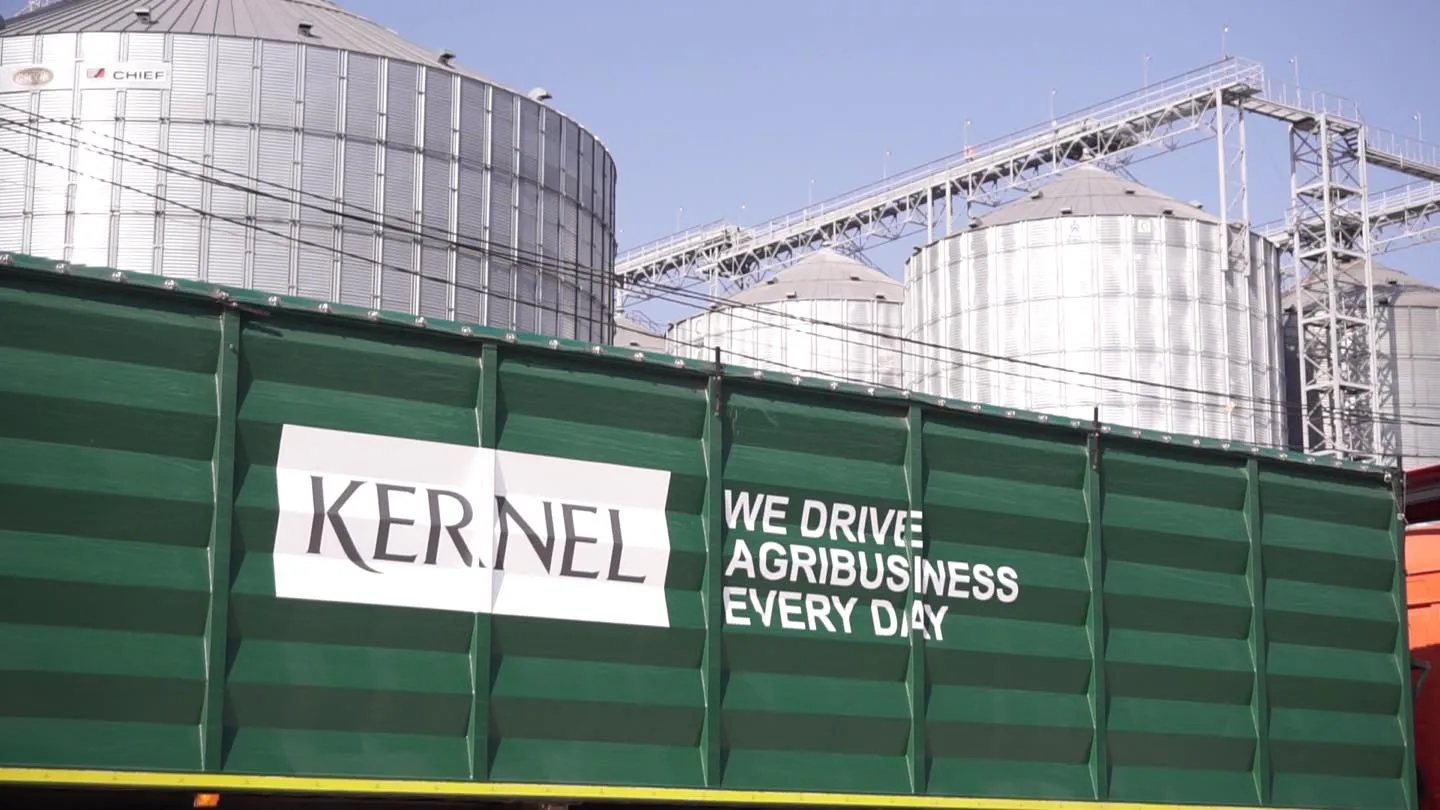
On March 20, 2026, the Luxembourg Court of Appeal ruled in favor of the agribusiness company Kernel in a long-running dispute over a capital increase.
The judge fully dismissed the claims of a group of minority shareholders and upheld the validity of the lower court’s ruling.
This court verdict marks the agribusiness holding’s second victory in the past week. The legal dispute concerned an additional share issue by Kernel Holding S.A., which the minority shareholders sought to have declared unlawful.
“The company did not violate the law, and we are confident of our victory in other ongoing proceedings as well, including those regarding the company’s delisting from the Warsaw Stock Exchange,” commented Artem Filipiev, Kernel’s Director of Legal Affairs.
The plaintiffs, who collectively hold only 0.4% of the company’s shares, demanded an immediate halt to the results of the $60 million recapitalization.
However, the appellate court ruled that there were no grounds for blocking the holding company’s strategic financial decisions.
The court found that the minority shareholders were unable to provide convincing evidence of violations by the board of directors. Additionally, the plaintiffs failed to prove that their rights as shareholders would be irreparably harmed by the capital increase.
In addition to dismissing the lawsuit, the court ordered the appellants to fully reimburse Kernel for all legal costs incurred during the proceedings.
This decision demonstrates the consistent stance of European courts regarding the protection of large businesses from frivolous lawsuits.
In parallel with this process, Kernel is continuing the delisting procedure—the withdrawal of its shares from trading on the Warsaw Stock Exchange.
Once this stage is complete, the agricultural holding will officially cease to be a public company, and its shares will disappear from the open market.
The decision to delist was made back in April 2023 due to a shift in economic priorities.
Management explained that maintaining public company status during wartime entails excessive costs that do not yield the expected financial benefits.
As a reminder, Chinese battery manufacturers increased their market capitalization by $70 billion due to the changing political situation in Iran.
Additionally, Karmel is investing $10 million in the construction of a new plant for the production of concrete manufacturing equipment in Khmelnytskyi.


