
Russia's economy is shrinking despite higher oil prices – Le Monde
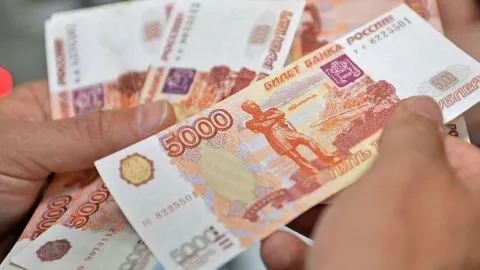
Despite rising global oil prices amid geopolitical tensions, Russia’s economy contracted by approximately 0.2% in the first quarter of 2026. Le Monde reports this, citing economic estimates.
According to the publication, the decline is not linked to conditions in the oil market, but rather is a consequence of the Kremlin’s domestic economic policy, which experts describe as ineffective and exhausting in the long term.
According to Inozemtsev, when inflation flared up in 2024 due to a sharp rise in government spending and massive payments to military personnel, the authorities chose the worst possible response: it sharply raised interest rates, increased taxes—especially for small and medium-sized businesses—and effectively blocked “parallel imports” through post-Soviet countries.
At the same time, the Kremlin launched a campaign to “nationalize” property, which undermined business confidence, and started an “internet war” against its own digital economy. According to analysts’ estimates, this alone cost the country about 0.5% of GDP. Notably, the tax hikes in 2025 failed to generate additional revenue for the treasury.
“That’s not all: he launched a ‘nationalization’ campaign that undermined business confidence and started an ‘internet war,’ paralyzing Russia’s digital economy,” notes Inozemtsev.
A sensible policy for 2025, according to the economist, should have combined fiscal stability, moderate interest rates, a freeze on utility rates, and import liberalization. Instead, Putin chose a path reminiscent of Soviet practices: the president’s chief advisor has already openly spoken of a possible return to a planned economy.
Rising oil prices due to the conflict in the Middle East have indeed brought Russia additional revenue, but they have failed to change the overall picture. Inozentsev explains it this way: Russia’s economy is like a dry sponge—any new money goes not toward development, but toward plugging holes in the finances of households, companies, and the state.
Businesses are up to their ears in debt to banks and are cutting costs. Consumers are switching to cheaper stores, avoiding restaurants and vacations, and hoarding savings due to uncertainty, even as incomes are technically rising. Putin publicly urged the public to pay off their bank debts—but this only confirmed the scale of the problem.
Based on the results of 2026, the Russian government cut its GDP growth forecast by two-thirds—from 1.3% to 0.4%. Inotzets believes that public finances will improve somewhat by the end of the year, but without any economic recovery. Growth is possible only if oil prices remain high at least until the fall.
Read also:
Russia changed its polling methodology, and Putin’s approval rating immediately rose
Putin spoke of “ending the war” due to serious problems on the home front and at the front
Ukraine is ready for dialogue with Russia provided Moscow is genuinely committed to serious talks, but such meetings require careful preparation. Any direct contacts between the leaders of the warring states do not occur spontaneously or via ordinary telephone calls.


