
The White House said it had lost up to $26 billion due to tariff evasion
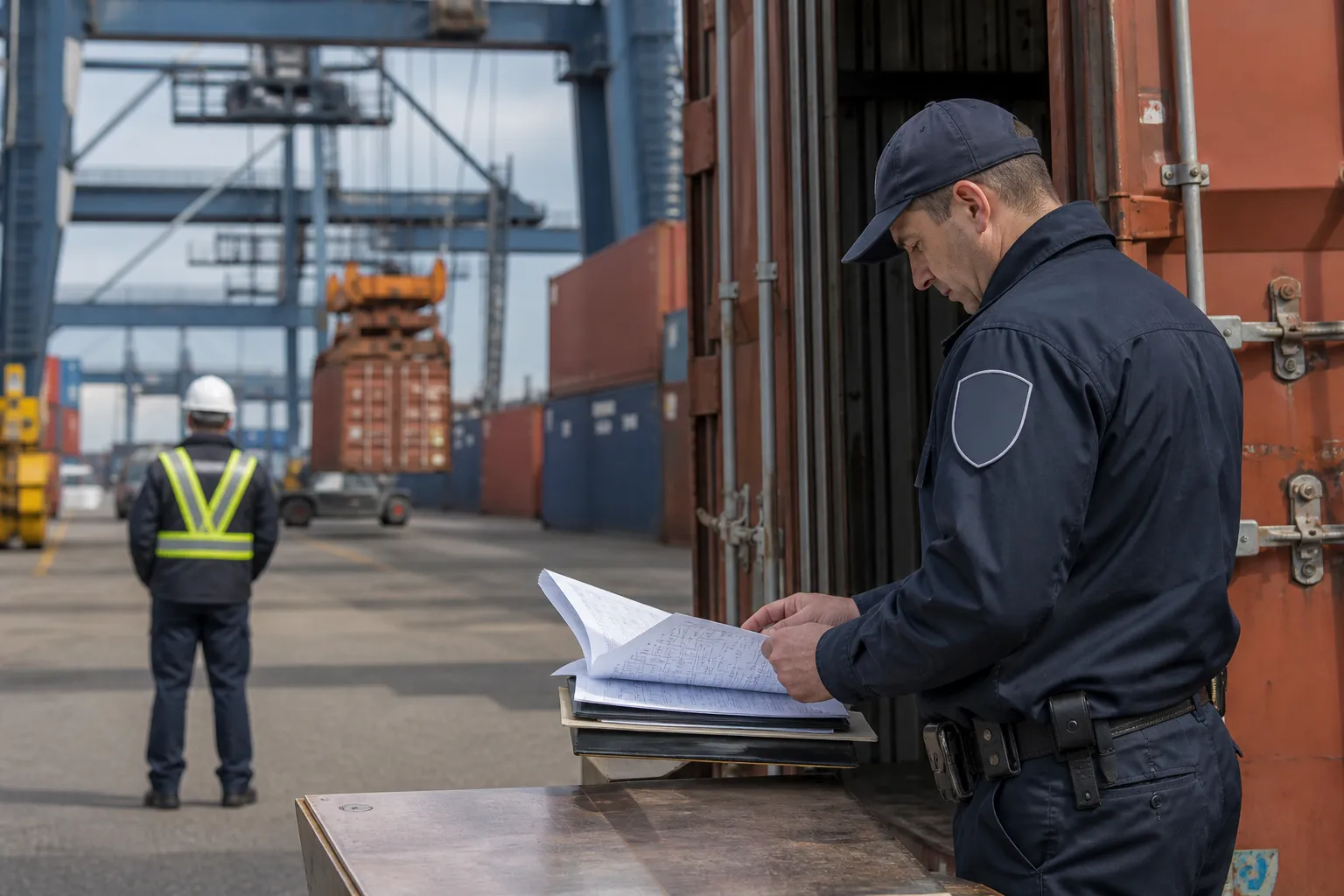
The administration of U.S. President Donald Trump is stepping up efforts to combat the circumvention of tariffs through foreign importers. A White House report states that the United States loses between $19 billion and $26 billion in tax revenue each year due to exports being rerouted through third countries to avoid tariffs. This practice is known as transshipment.
According to Fortune, statistics from China’s General Administration of Customs and the U.S. Census Bureau last year revealed a $112 billion discrepancy between the data on goods that China reported as shipped to the U.S. and U.S. data on received shipments. The publication notes that this may indicate the scale of customs duty evasion exceeds estimates of annual tax revenue losses.
A report by the White House Office of Trade and Manufacturing Policy states that China likely plays a central role in customs evasion: Chinese exports may pass through more than 40 other countries. The administration also drew attention to dozens of countries that, in its assessment, are not preventing the activities of fictitious importers and foreign importers linked to potential customs fraud.
For more breaking news, follow the UA.News Telegram channel.
Trade experts surveyed by Fortune attribute the rise in such violations to the increase in U.S. tariffs. Ryan Petersen, CEO of the logistics platform Flexport, stated that high rates create incentives to understate the value of goods or misreport their classification or country of origin. Kerry Owens, a partner at the law firm Kelley Drye & Warren and former head of enforcement operations at U.S. Customs and Border Protection, also said that transshipment has become a more widespread problem due to the general increase in tariffs.
The Trump administration has restricted foreign importers’ ability to use continuous customs bonds. An executive order dated June 3 requires such entities to follow a formal customs clearance procedure with more detailed documentation. U.S. Customs and Border Protection is also using artificial intelligence to analyze cargo data, verify supply chains, and identify discrepancies in documentation.


