
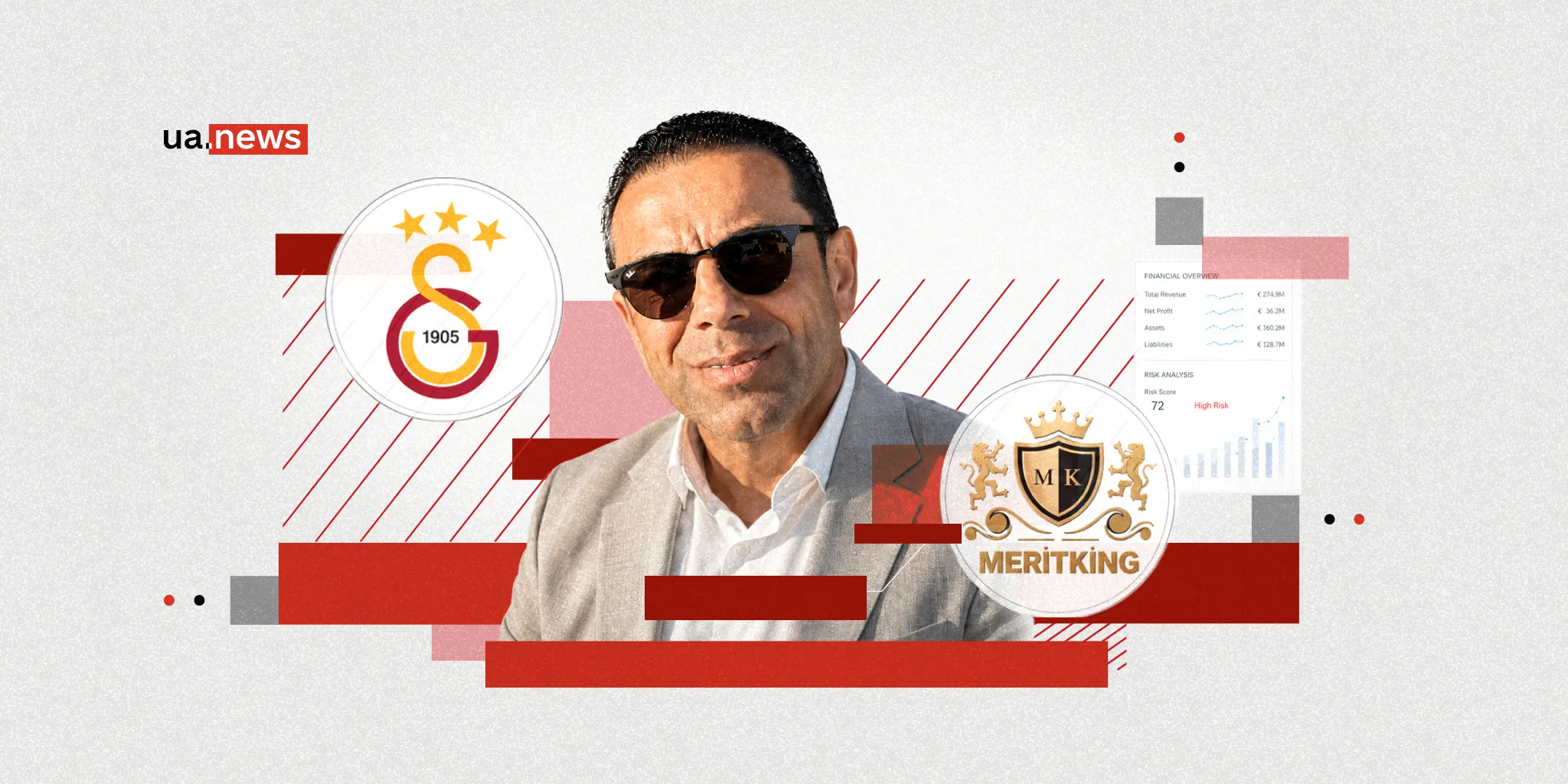
Over the past few years, the name of Turkish businessman Fedlan Kilychaslan has been appearing with increasing frequency in journalistic investigations and reports by law enforcement agencies in various countries.
He is linked to the development of a large online betting network, and the activities of certain companies associated with him have become the subject of investigations and criminal proceedings.
UA.News has examined what is known about Fedlan Kilychaslan, which international investigations have already been made public, and why this story has gradually turned into an international case.
Who Is Fedlan Kiliçaslan
Kilicasan was born in the city of Balikesir in northwestern Turkey, but the first significant stage of his career was linked to Northern Cyprus.
According to documents analyzed by journalists, it was there that he worked as the head of the slot machine section at a casino in a five-star hotel in Kyrenia.
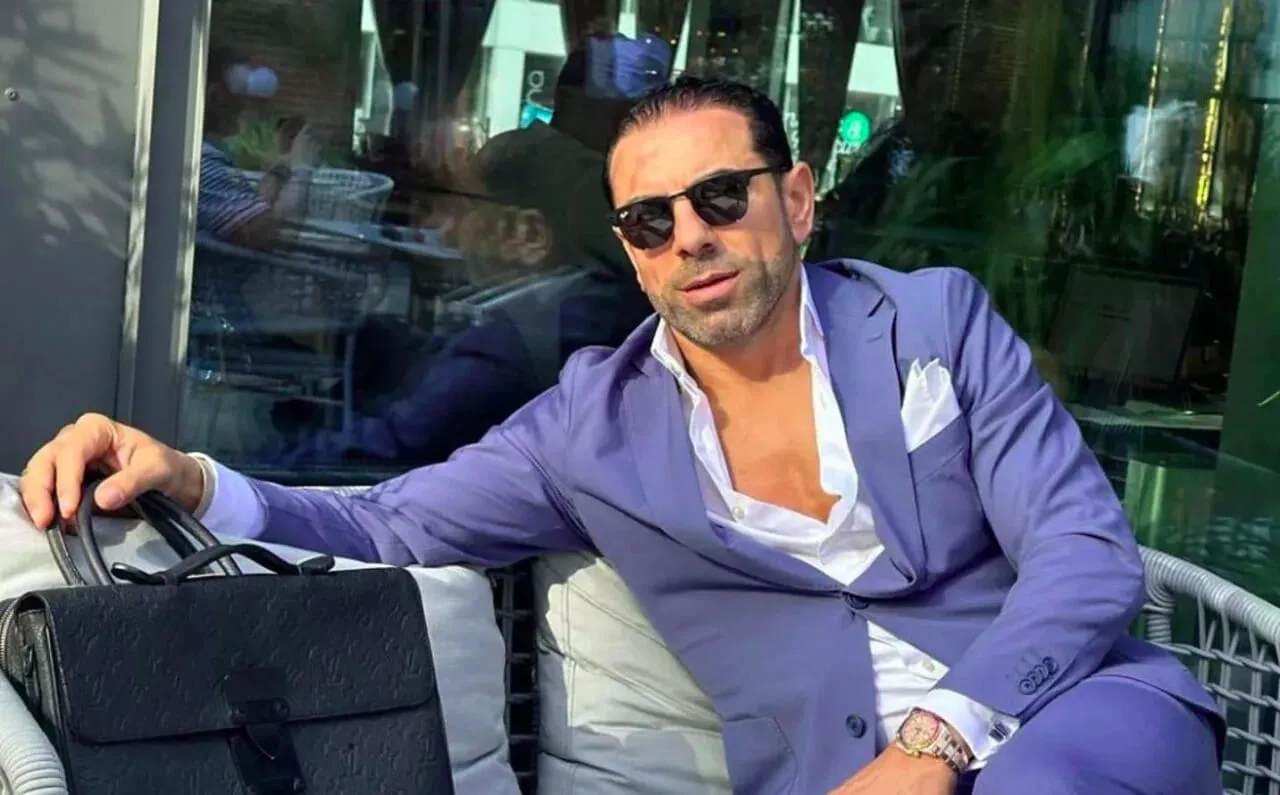
Publicly, Kilichaslan later positioned himself as an investor, IT entrepreneur, and philanthropist. But his early business background, according to journalists, was linked specifically to casinos and online gambling.
Some Cypriot media outlets also reported on his past in the Northern Cypriot soccer community. The media claimed that Kilichaslan had been involved with the Turkish Cypriot Football Federation and was later embroiled in a scandal involving the theft of a casino customer’s bank card.
According to the publication, he was subsequently allegedly removed from both his job and the soccer community. The businessman himself has not publicly commented on these allegations, so they should be treated as information from local media.
The same publication also noted a drastic change in Kilychaslan’s lifestyle. While he was previously described as a casino employee, within just a few years he began flaunting expensive cars, private helicopter flights, security details, and other trappings of a wealthy international businessman.
BetExpress, Ukrainian Companies, and the Emergence of MeritKing
According to documents analyzed by journalists, Kilychaslan has been involved in online gambling through the BetExpress brand since at least 2016. Frontstory.pl reports that at least two domains for this brand were registered under his name and contact information.
The next important step was Ukraine. According to YouControl data cited by NGL.media, in 2018, Kilychaslan became the owner of the Ukrainian companies Usman Trading and New Federer. Formally, they were engaged in software development, data processing, call center operations, and other IT services.
Subsequently, New Federer came under the scrutiny of Ukrainian law enforcement. NGL.media reports that in April 2022, the Vinnytsia City Court authorized searches of the company’s office.
It was this Ukrainian phase that proved crucial for MeritKing’s subsequent history. In 2021, New Federer filed applications for two trademarks: one for the MeritKing logo and the other for the sports betting platform Euromatch.
Polish Relaunch: FAF Global, Akif Capital, and the Businessman’s New Image
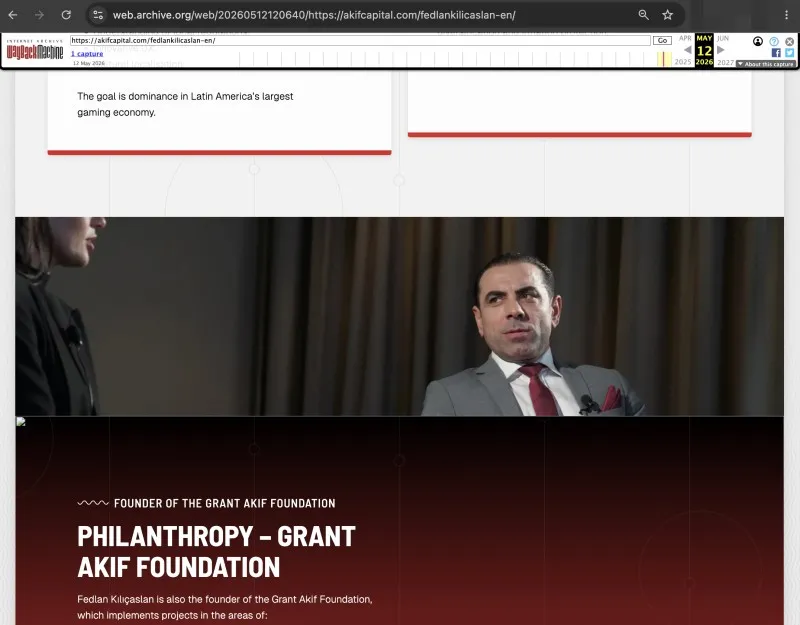
After Russia launched a full-scale war against Ukraine, Kilychyslan, according to investigators, moved a significant portion of his operations to Poland. It was there that he began actively shaping a new public image—no longer as a representative of the gambling industry, but as an international investor, owner of IT companies, and philanthropist.
In Poland, he was linked to FAF Global Company—which was later renamed Oliwka Covenant Technologies—as well as Akif Capital and Euromatch Group. Formally, these companies declared that they operated in the fields of IT, marketing, and outsourcing.
At the same time, journalists from Frontstory.pl concluded that the Polish company may have been used to promote the Turkish-language betting sites MeritKing, MadridBet, and KingRoyal, which did not hold Polish licenses.
A Ferrari, an apartment at Złota 44, and ostentatious luxury
In Poland, Kilychlasan attracted attention not only for his companies but also for his lifestyle.
According to a joint investigation by OCCRP, Frontstory.pl, NGL.media, and TVN24, after moving to Warsaw, he actively cultivated the image of a successful international businessman: he showcased expensive cars on social media—including a custom Ferrari with personalized license plates—attended high-society events, and actively promoted his own business ventures.
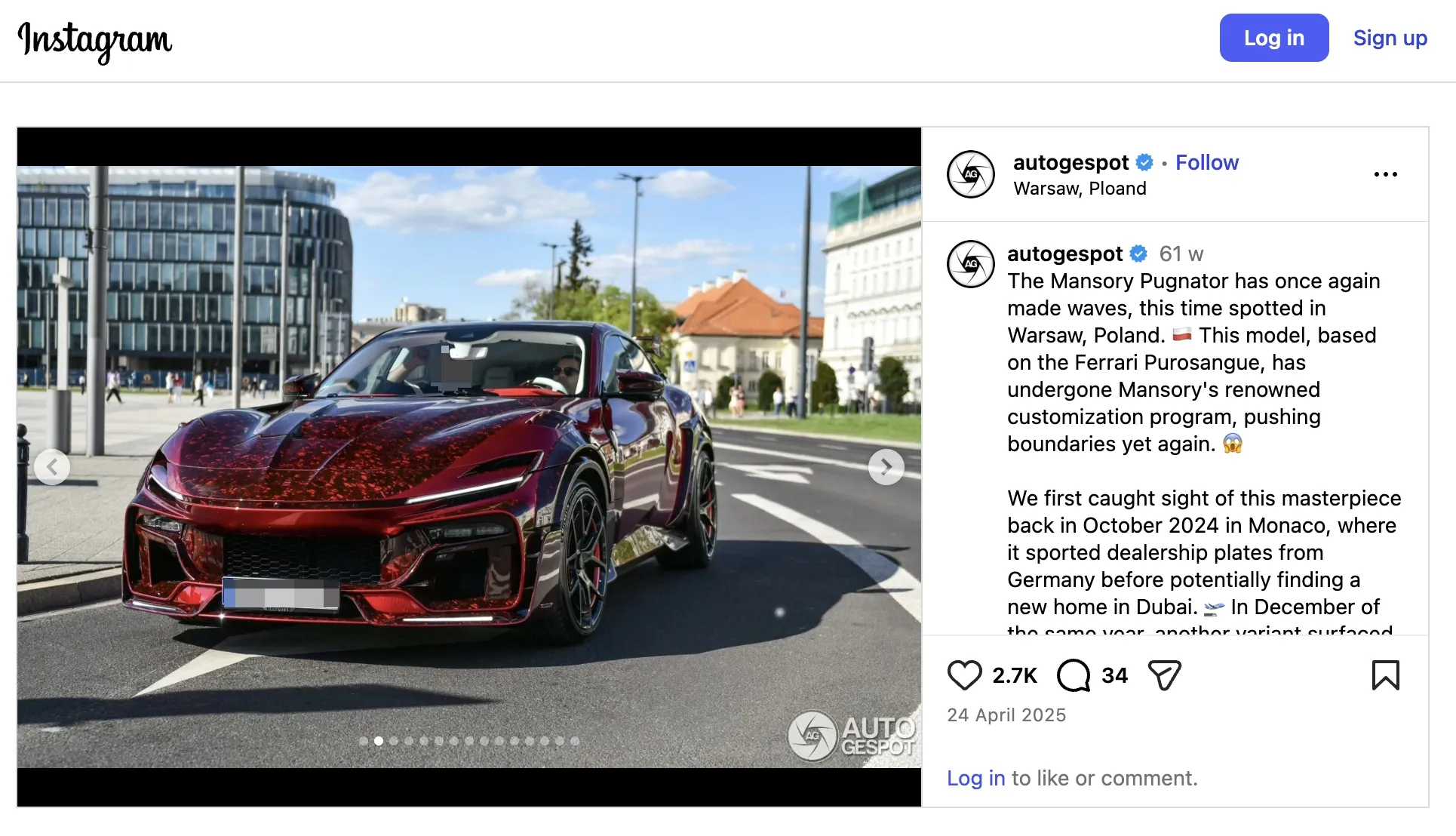
Kilychaslan’s most high-profile purchase was an apartment in Warsaw’s Złota 44 skyscraper—one of Poland’s most prestigious residential complexes.
According to the land registry, the apartment is now owned by FAF Global Company, a firm owned by Kilychaslan. Previously, the apartment belonged to well-known Polish trader Rafał Zaorski, who promoted the so-called “Epic Flip” project.

According to Polish media reports, the apartment measures approximately 485–500 square meters, and the transaction was valued at 29.7 million zlotys, making it one of the most expensive residential real estate deals in the history of the Polish real estate market.
The apartments are located on the upper floors of the skyscraper and include several bedrooms, a private study, a wine cellar, a terrace, and access to premium-class amenities.
Łódź, Hopa Lupa, and an Appearance alongside the City Mayor
Another incident that caught the attention of journalists was Kiliçslan’s appearance in February 2025 at the opening of Hopa Lupa, the largest indoor family entertainment center, at the Nowa Sukcesja shopping mall in Łódź.
In photos from the event, he was seen standing next to Mayor Hanna Zdanowska, Turkish businessman Sabri Bekdas, and other guests of honor. It was these very photos that Polish journalists later used when they began investigating his activities in the country.

In response to inquiries from journalists, the Łódź City Hall explained that Hanna Zdanońska attended the opening as an official guest and had no influence over the guest list. It was also noted that she was unaware of any potential criminal charges against Kilichaslan or the nature of his business.
Similar explanations were provided by the shopping center’s owner, Sabri Bekdaş, who stated that Kiliçaslan was not an investor in the Hopa Lupa project and was merely one of the invited guests.
MeritKing, Soccer, and Betting Ads: How the Brand Emerged from the Shadows
Until 2024, the MeritKing brand was known primarily among users of online casinos and sports betting sites. The company operated actively through Northern Cyprus—a territory long considered one of the hubs of the gambling industry in the eastern Mediterranean.
However, it wasn’t the company’s business growth that drew international attention to MeritKing, but rather a series of events that gradually escalated into a large-scale criminal investigation.
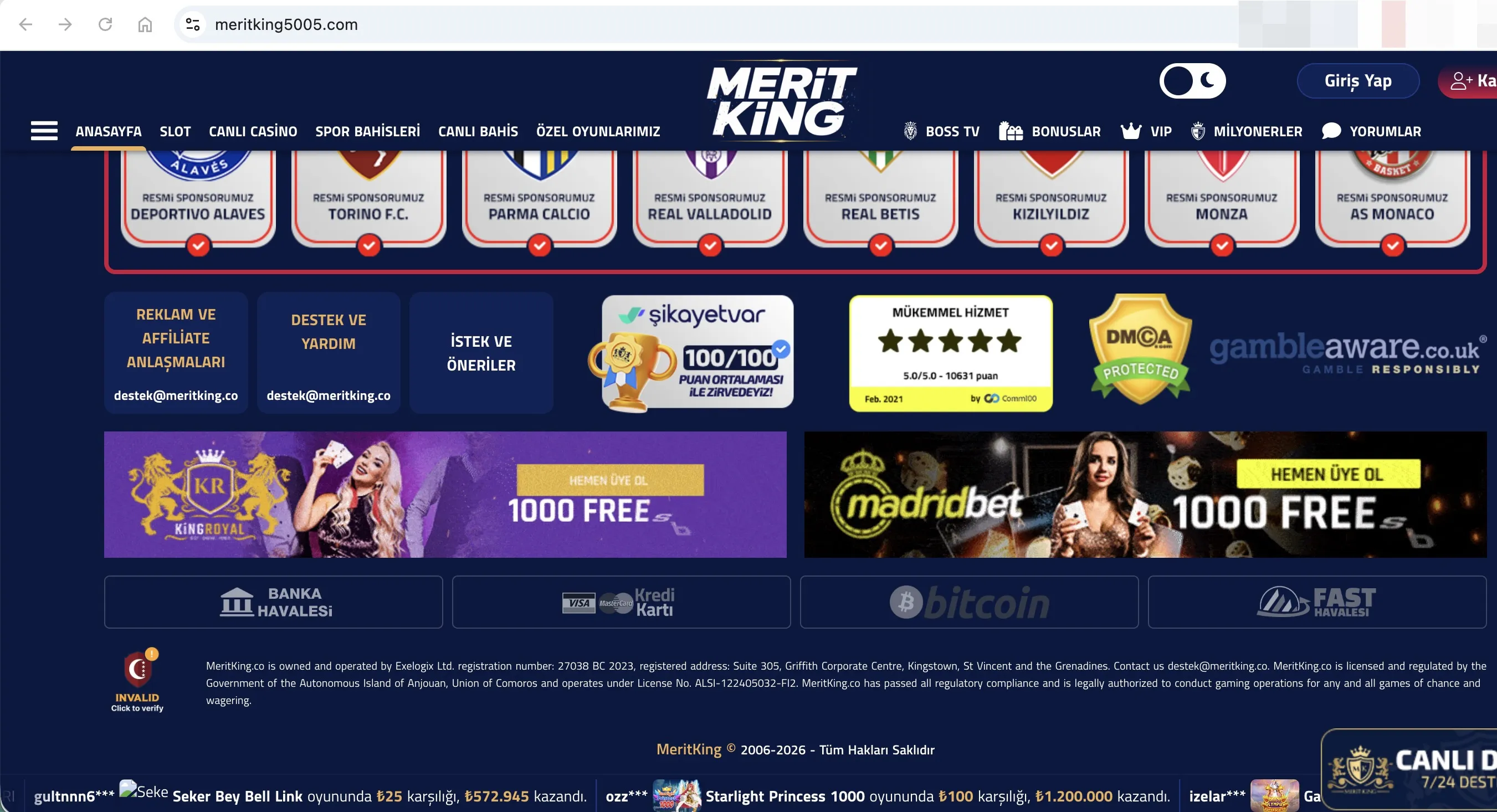
The turning point was the sponsorship deal with one of Turkey’s most famous soccer clubs—Galatasaray.
In September 2024, the club announced a two-year sponsorship deal with the Meritking.News platform, which positioned itself as a sports media outlet. According to Türkiye Today, the contract was valued at approximately $14 million for two seasons.

However, almost immediately after the partnership was announced, Turkish journalists noted that Meritking.News might be linked to the MeritKing brand, which law enforcement agencies and the media had associated with unlicensed betting platforms.
Sol Haber was one of the first outlets to draw attention to this, after which virtually all major Turkish media outlets picked up the story.
Just a few days later, Galatasaray announced that it was suspending the contract pending a full investigation into the matter. In its official statement, the club emphasized that the partnership involved the news outlet Meritking.News, but after new documents came to light, it decided to put the agreement on hold.
The partnership was later terminated permanently.
How MeritKing Was Promoted in Turkey
Following the scandal surrounding Galatasaray, journalists began investigating the scale of MeritKing’s advertising campaign in Turkey.
The publication Gazete Duvar reported that advertisements for MeritKing-affiliated resources appeared not only in the soccer community. According to the journalists, the brand was actively promoted via digital billboards, taxis in Istanbul, sports broadcasts, and other advertising platforms.

Journalists also noted that the MeritKing.News website was effectively used as a news platform to promote the betting brand.
A Long-Standing Conflict with the Merit Brand
Interestingly, the conflict over the name “Merit” arose long before the Galatasaray incident.
Back in 2017, the World Intellectual Property Organization (WIPO) heard a case involving a complaint filed by Merit Turizm against Fedlan Kilicaslan, G&F; Company Group NV, and Redsoft N.V.
The dispute concerned the domains meritroyal.bet and meritroyalcasino.bet, which, according to the complainant, could mislead users due to their similarity to the Merit trademark.
The WIPO arbitration panel agreed with this position and ruled that the domain names should be transferred to the complainant.
Arrest in Spain, Sexual Assault Case, and the Battle for Extradition
On March 24, 2026, Spanish police detained Kilychaslan in Barcelona.
The Turkish publication Türkiye Today reported that Spanish police had opened a separate criminal investigation against Kilychaslan on suspicion of sexual assault.

According to journalists, a Colombian citizen filed a complaint with the police, claiming she had been sexually assaulted after meeting the businessman in Barcelona. Following this, a court issued an arrest warrant for him.
At the same time, Kilichaslan himself has not publicly admitted to these charges, and his defense team has insisted on its own version of events.
In parallel with the Spanish case, back in late 2025, the Istanbul prosecutor’s office issued an international arrest warrant for him on suspicion of organizing illegal betting platforms, advertising gambling, and money laundering. A Turkish court also authorized the seizure of his property, bank accounts, corporate rights, and cryptocurrency assets.
Following his arrest in Spain, Ankara submitted an official request for his extradition.
At the same time, Kiliçaslan’s lawyers denied claims that he was already being extradited to Turkey.
In a statement to Wirtualna Polska, the defense said that the Madrid court had refused to place the businessman under pretrial detention as part of the extradition proceedings, and that Kiliçaslan himself, according to his lawyers, continued to cooperate with Spanish authorities.
The defense also insisted that reports about him contain unverified claims and do not take the defense’s position into account.
Fenige: What Is Known About the Polish Fintech Company
Kilychaslan was not the only one working in Poland. We recently reported on Fenige, a company that operated in the fields of payment services, card transfers, international payments, and online business services. Its clients included companies from various sectors—ranging from e-commerce to financial services and other businesses that needed infrastructure for fast payment processing.
Fenige positioned itself in the market as a technology provider of payment solutions. The company used its own platform to process transactions and worked with the global payment systems Visa and Mastercard. This enabled it to handle not only local transactions but also international transfers and cross-border payments.
How Fenige Grew and Why It Was Considered a Promising Player
In 2017, Fenige raised several rounds of investment totaling tens of millions of zlotys. Its investors reportedly included WP2 Investments and Movens Capital. For the Polish fintech community, this was an important signal: the company had not only a technological product but also the capital backing needed for rapid scaling.
Fenige made its most notable leap forward at the end of 2022. At that time, the company reported processing over 3 million transactions totaling more than 545 million euros, or about 2.4 billion zlotys. The year-over-year growth rate exceeded 70%.
In 2023, Movens Capital announced its exit from Fenige, stating that the return on investment was 4.5 times the initial capital invested.
In other words, to some investors, Fenige appeared at that time to be a successful fintech asset that had successfully navigated the path from growth to a profitable exit.
Ambitions for Cross-Border Payments
Fenige did not limit itself to the Polish market. The company focused on international payments and the development of tools for withdrawing funds in various jurisdictions.
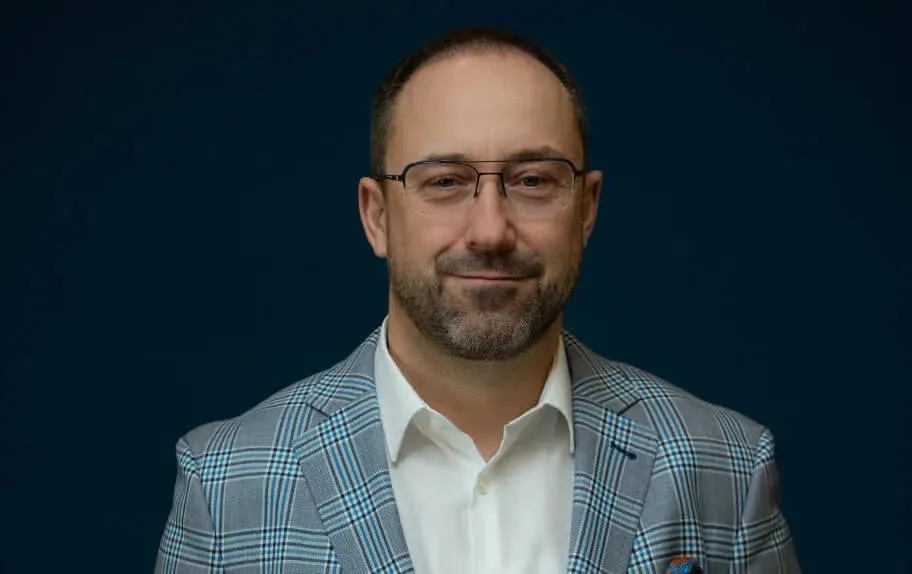
In 2025, Fenige CEO Marcin Chruściel spoke about the company’s plans for further growth. He cited cross-border payments and expanding opportunities for clients who need to work with different payment systems in different countries as one of the main areas of focus.
For fintech, this is a logical path of development: the more markets and payment channels a company can cover, the more valuable it becomes to businesses. At the same time, however, cross-border payments are one of the most sensitive areas for regulators. Compliance, customer verification, monitoring the source of funds, AML procedures, and operational risk management are particularly important here.
In other words, rapid international growth in fintech almost always has a downside: the broader the geographic scope of operations, the more questions banks, payment systems, and supervisory authorities may raise.
The First Conflict with the KNF: What Happened in 2019
Fenige already had a history of complicated relations with the Polish regulator. The company received a national license for financial activities in August 2017. It operated as a payment institution under the supervision of the Polish Financial Supervision Authority (KNF).
However, in May 2019, the KNF revoked Fenige’s license to provide payment services. The reason was related to requirements for payment institutions following changes in legislation. The regulator stated at the time that the company had failed to meet the necessary requirements to continue operating under the updated conditions.
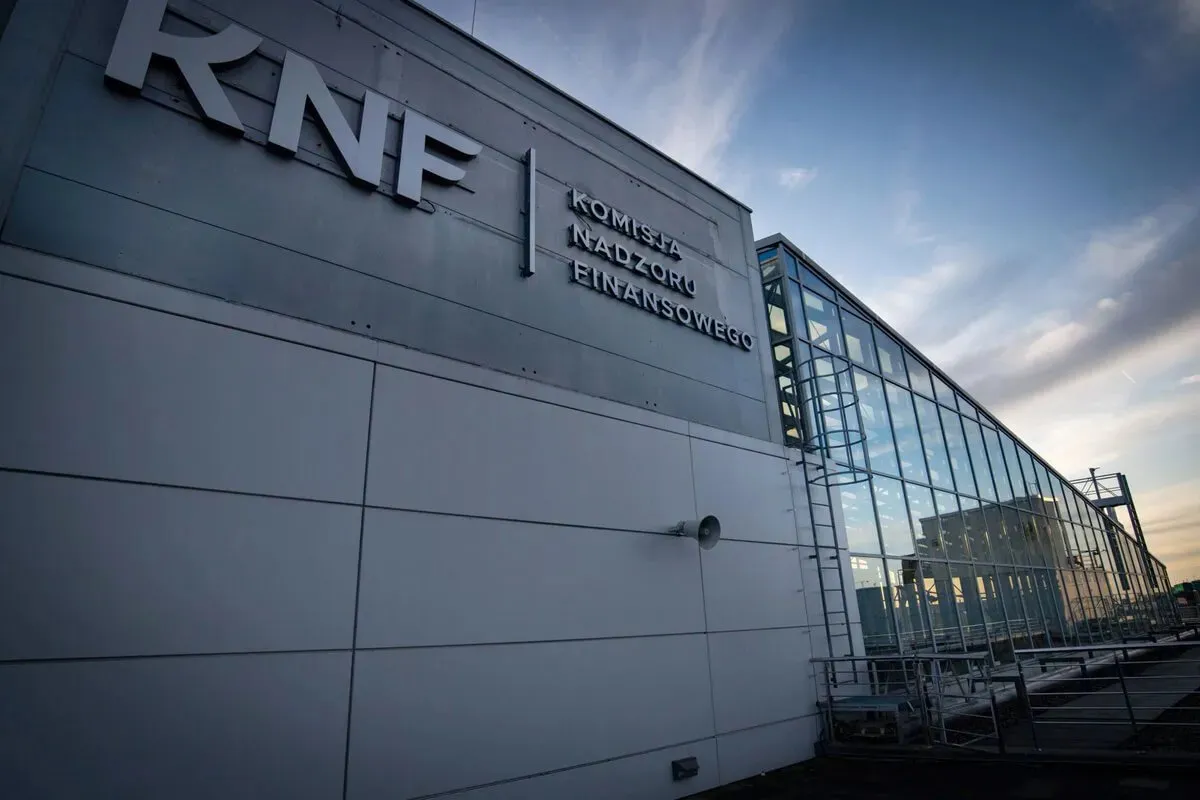
However, this story did not end with a permanent shutdown, but rather with a review of the decision. In October 2020, the KNF revoked its previous decision to revoke the license. The Commission noted that, following Fenige’s submission of additional documents, it had reviewed the company’s governance, compliance with the Payment Services Act, and operational risk management.
Based on the results of this review, the regulator concluded that the company had met the necessary requirements.
Fenige’s License Revoked Again in 2026
A new and significantly more serious phase began on June 25, 2026. It was then that the Polish Financial Supervision Authority announced that it had revoked Fenige SA’s authorization to provide payment services as a national payment institution.
The official basis for the decision was the KNF’s conclusion that Fenige had failed to ensure prudent and stable management of its payment services operations. For the financial regulator, this is one of the key requirements for companies that handle customer funds.
This concerns not only financial performance but also the quality of internal controls, risk management, compliance, the security of user funds, and the company’s ability to operate without posing a threat to the market.
Once the decision takes effect, Fenige must cease providing payment services and may not enter into new agreements with users regarding these services. The company has been allowed to fulfill its existing obligations, but a specific deadline has been set for this—September 30, 2026.
By that date, Fenige must settle its contracts with clients and counterparties and ensure that users can withdraw their funds or transfer them to accounts at other financial institutions.
Record Fines Imposed by the NBU on EasyPay and City24
We would also like to remind you that a few weeks ago, a situation involving EasyPay and City24 unfolded in Ukraine. In 2026, the two major payment terminal networks were each fined 135 million UAH by the National Bank.
The formal grounds cited were “improper organization of initial financial monitoring”—that is, the regulator’s objections to how the companies verified transactions processed through their terminals.
However, for the payment systems themselves, this story is not so clear-cut. A terminal network is not a bank and does not have full access to a customer’s banking records, account history, or sources of income. In many transactions, the terminal merely accepts cash and forwards the payment, while comprehensive financial monitoring should be carried out by the bank that issues the card and possesses the key information about the customer.
That is precisely why the requirement to effectively duplicate banking functions without access to banking databases appears controversial.
Another argument put forward by payment companies concerns the conditions under which they operated. Between 2024 and 2026, the market was operating amid war, blackouts, mobile network outages, and unstable infrastructure.
Under such circumstances, isolated technical glitches, delays in SMS confirmations, or unusual user behavior do not always indicate a violation on the part of the service. For many people, payment terminals often remained the only way to pay for mobile service, utilities, or top up a card when other channels were unavailable.
This case also echoes the conflict between the NBU and Ukrposhta. There, the regulator also leveled serious allegations regarding financial activities, corporate governance, and the professional competence of management. For his part, Ihor Smilianskyi called the demand for his dismissal “a settling of personal scores” on the part of the regulator’s head, Andriy Pyshnyy.


