
In the EU, brands are prohibited from discarding unsold clothing
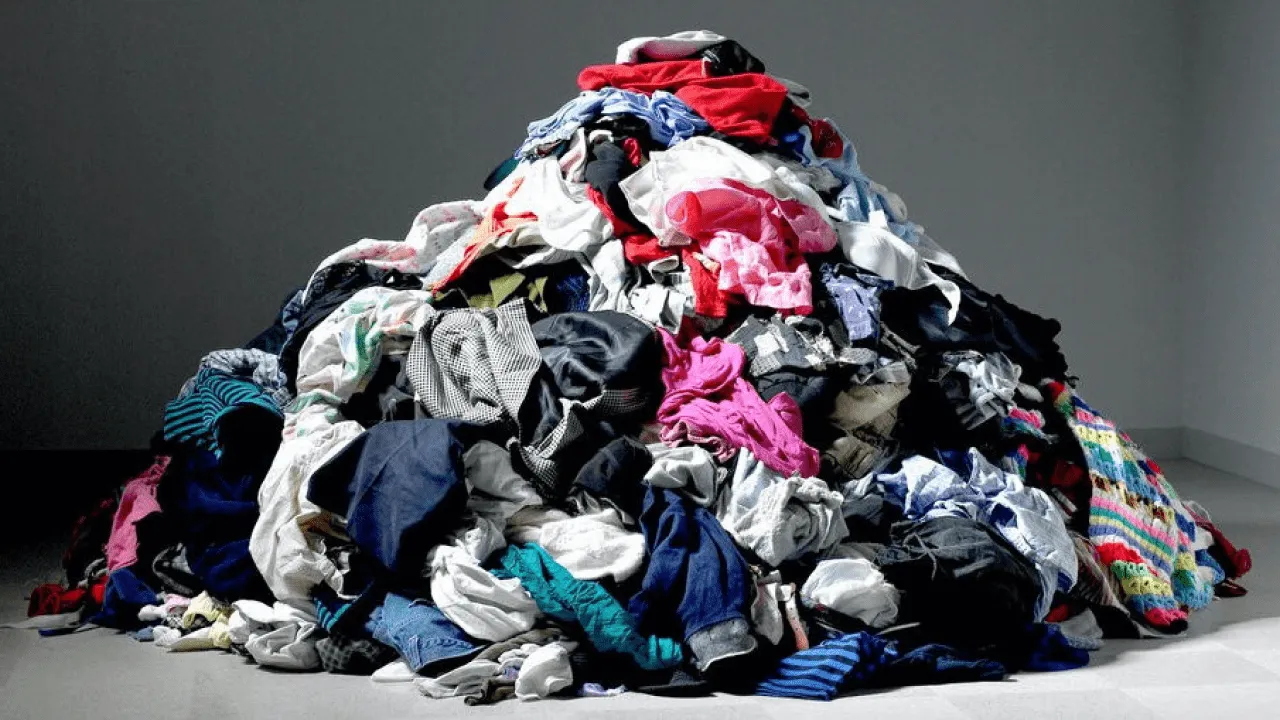
The European Union is preparing for sweeping changes in the consumer sector by banning large companies from destroying unsold clothing, footwear, and accessories.
The new rules, aimed at combating waste and protecting the environment, will become mandatory for large businesses as of July 19, 2026.
This decision was adopted by the European Commission as part of the Ecodesign Regulation for Sustainable Products (ESPR).
Its goal is to stimulate the development of a circular economy and significantly reduce the volume of industrial waste in EU countries.
According to expert estimates, between 4% and 9% of textile products in Europe are discarded annually without ever reaching the end consumer.
This practice results in emissions of approximately 5.6 million metric tons of CO₂—a figure comparable to Sweden’s total net emissions for 2021.
The ESPR regulation establishes two key requirements for businesses to address this situation. First, companies are required to publicly report the volume of unsold consumer goods they send for disposal.
Second, a direct ban on the destruction of textile products, including footwear and accessories, is being introduced.
For large enterprises, the ban will take effect on July 19, 2026, while medium-sized businesses will receive a grace period until 2030.
A standardized reporting format for such goods will become mandatory for large companies starting in February 2027, and for medium-sized businesses starting in 2030 as well.
The legislation provides for exceptions only in cases where the destruction of goods is justified by safety requirements or where the products have been physically damaged.
Compliance with these regulations will be monitored by the national supervisory authorities of EU member states.
Instead of disposal, businesses are encouraged to adopt more effective methods for managing surplus inventory. Specifically, this includes resale, refurbishment, recycling, or donating unsold goods to charitable causes.
Jessica Rosvall, European Commissioner for the Environment, Sustainable Water Management, and a Competitive Circular Economy, emphasized the need for such changes.
She noted: “The textile industry is already moving toward more sustainable production models, but the scale of waste indicates the need for further changes.”
Russians Have Cut Clothing Spending to Record Lows Due to the Economic Slowdown
The BEB exposed a chain of stores that were selling counterfeit clothing and footwear under the guise of global brands


