
How tourist cities are curbing overtourism — ABC News Australia
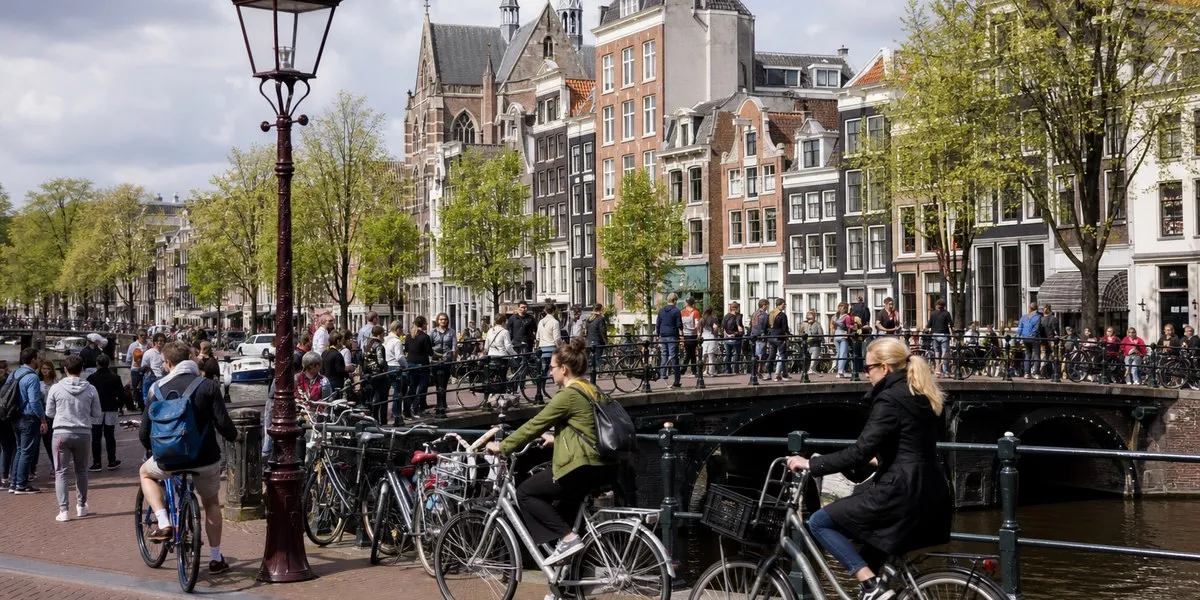
Amsterdam (the Netherlands), Barcelona (Spain) and other popular tourist destinations are introducing taxes, rental restrictions, visitor limits and temporary closures of natural sites. These measures are intended to reduce the effects of overtourism on residents and the environment, ABC News Australia reports.
Joseph Cheer, a professor of sustainable tourism at Western Sydney University, explained that overtourism is not only about large numbers of travellers. It manifests in overcrowding, noise, pollution, waste problems, rapid development and rising housing costs. Accommodation in popular places is often repurposed for tourists because it is more profitable, limiting local residents’ access to housing.
Housing and cruise restrictions
Barcelona plans to revoke by November 2028 the licences for more than 10,000 apartments permitted for short-term rental. This is part of the city’s broader plan to curb the growth in tourist flows and improve housing affordability for residents.
In 2021, Venice banned large cruise liners from entering the city’s historic centre after years of protests by local residents. According to Cheer, large cruise ships can place a significant burden on infrastructure without providing a corresponding economic benefit to the city.
More current news is available on the UA.News Telegram channel Telegram.
Taxes, limits and beach closures
Japan has increased a number of fees for tourists and immigrants, including tripling the international tourist tax, which is included in the cost of airline tickets when departing the country. Since 2024, Bali has had a tourist levy of 150,000 rupiah, with the funds directed towards preserving the environment and culture.
At the same time, Cheer considers tourist taxes an insufficient tool if they do not address the causes of the problems. He noted that a small fee is unlikely to make a person abandon a trip to Venice or Bali.
In Thailand, Maya Bay beach is closed for two months each year. After being closed for nearly four years due to damage to the ecosystem, it reopened in 2022 with a swimming ban, a daily visitor limit and a restriction of visits to one hour. In the Philippines, Boracay Island was closed to tourists for six months in 2018 to clean up the coast.
Amsterdam has stopped investing in traditional tourism marketing and introduced the Tourism in Balance framework plan. It provides for limiting the number of overnight stays: if the figure approaches 18 million per year, city authorities must propose measures to prevent the 20 million threshold from being exceeded.




