
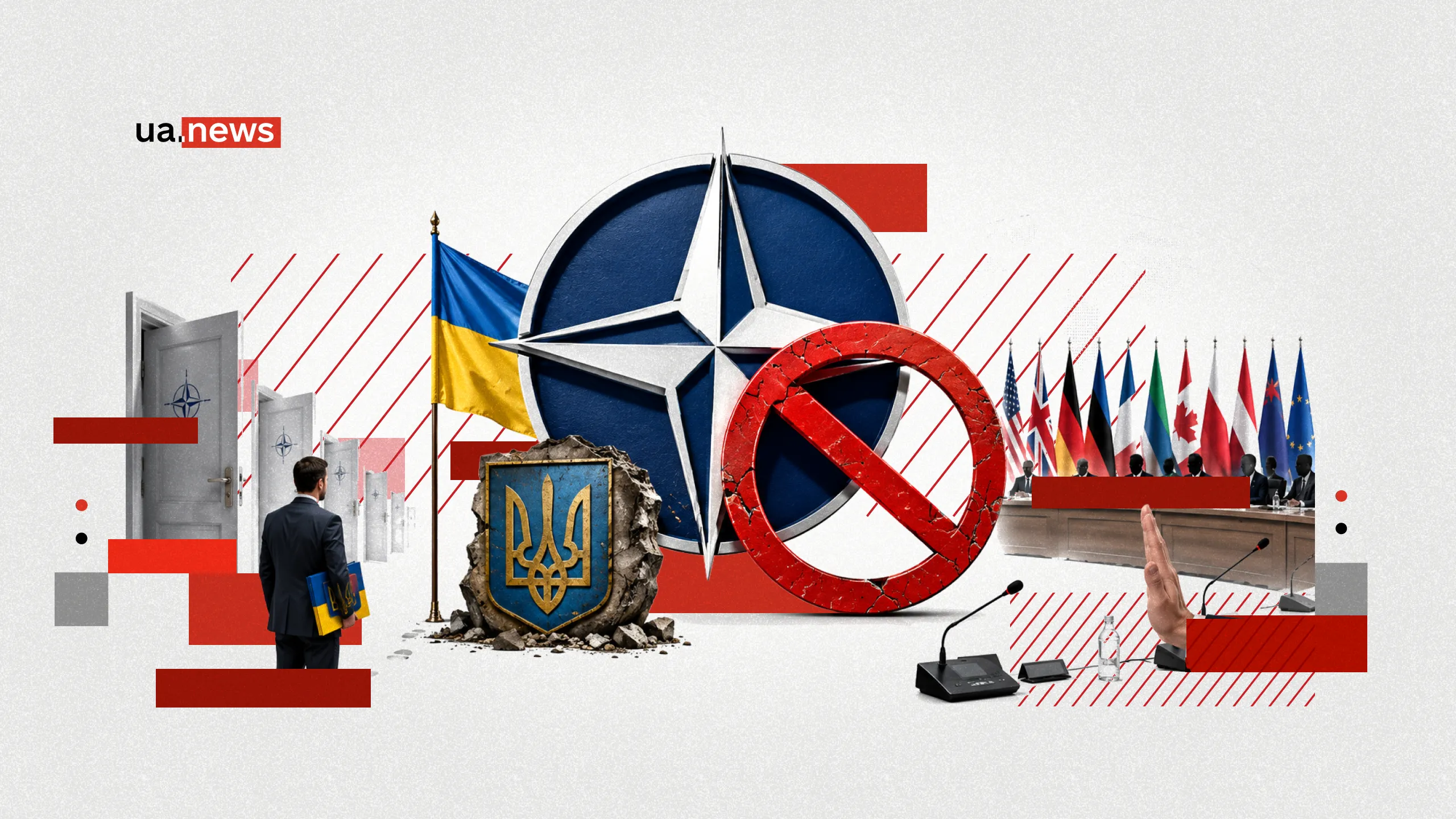
A statement by Valeriy Zaluzhny, Ukraine’s ambassador to the United Kingdom and former Commander-in-Chief of the Armed Forces of Ukraine, during a meeting of ambassadors in Kyiv has become one of the most talked-about topics in political circles. The diplomat and general expressed considerable skepticism about the prospects for Ukraine’s Euro-Atlantic integration, calling the long-standing promises “fairy tales” and urging the search for alternative security blocs — in particular, to expand cooperation with the Joint Expeditionary Force (JEF) led by the United Kingdom.
This statement is not an emotional assessment by an experienced military officer, but a reflection of a long-standing disillusionment that has been building up in Ukrainian society for decades. Over more than 30 years of independence, Ukraine has gone from a formal partnership to enshrining a pro-NATO course in its Constitution and submitting an official application for membership in the midst of a full-scale war. However, every decisive step taken by Kyiv has been thwarted by diplomatic “delays,” refusals, and Western fears of an “escalation with Russia.”
To understand why even the top military leadership is now calling for alternatives to NATO, it is worth taking a look back at history: exactly how Ukraine tried to secure its place in the Alliance, how many times NATO’s door remained ajar, and what reasons actually lay behind these refusals.
First Attempt: The Madrid Charter (1997)
The official history of Ukraine’s relations with the Alliance began in February 1992, when Kyiv joined the North Atlantic Cooperation Council. At that time, it was more of a platform for dialogue following the collapse of the Soviet Union than a real security mechanism. In 1994, Ukraine became the first CIS country to join the “Partnership for Peace” program.
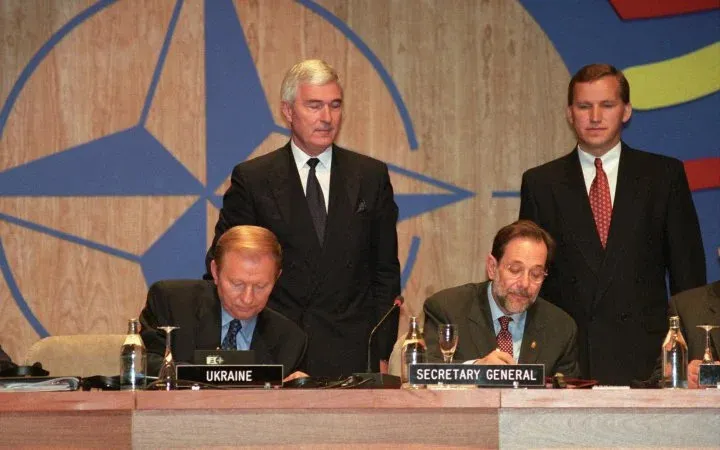
Here’s how it happened: On July 9, 1997, at the NATO summit in Madrid, Ukrainian President Leonid Kuchma and NATO Secretary General Javier Solana signed the “Charter on a Distinctive Partnership between Ukraine and NATO.” The document established the Ukraine–NATO Commission—a permanent body for consultations on security in the region. At the time, Kyiv expected that this “exclusive status” would serve as a fast track to integration into the Alliance.
Subsequently, in May 2002, the National Security and Defense Council of Ukraine, chaired by Kuchma, adopted a new Strategy, which for the first time legally established that the ultimate goal of Euro-Atlantic integration is full membership in NATO. In June 2003, the Verkhovna Rada enshrined this decision in the Law on the Fundamentals of National Security.
Rejection and Reasons: NATO adopted the Charter but did not allow it to become a concrete plan for accession for a number of reasons. Specifically:
- Lack of security guarantees: The Charter declared support for Ukraine’s sovereignty but contained no NATO commitments regarding its defense. The Alliance agreed to “consult” but not to “defend.”
- A crisis of confidence due to scandals in Ukraine: In 2000–2002, the “cassette scandal” (Melnichenko’s recordings) erupted, the murder of Georgiy Gongadze, and accusations that Kyiv had secretly sold “Kolchuga” radars to Iraq in circumvention of UN sanctions. For the West, Kuchma became unpalatable, and Ukraine began to be perceived as a corrupt “gray zone” with unpredictable authoritarianism.
- A concession to Russia: A month and a half before the signing of the Ukrainian Charter, in May 1997, NATO signed the Founding Act on Mutual Relations with Russia in Paris. The West sought to reassure Moscow regarding NATO’s eastward expansion (the accession of Poland, the Czech Republic, and Hungary), and therefore refrained from making any direct promises to Ukraine regarding membership so as not to sever ties with Yeltsin.
The outcome of this attempt: Faced with a cold reception in the West due to the “Kolchuga” scandal, Leonid Kuchma signed a decree in July 2004, immediately before the NATO summit in Istanbul, which simply removed the words “accession to NATO” from Ukraine’s Military Doctrine, leaving only “deep cooperation.” Thus, NATO did not even have to issue an official “no”—Ukraine voluntarily withdrew its intention.
Attempt 2: The Bucharest Summit and the “Letter of Three” (2008)
The NATO Bucharest Summit in April 2008 was one of the most significant moments in Ukraine’s modern history. It was then that Ukraine could have received a Membership Action Plan (MAP), but that did not happen.
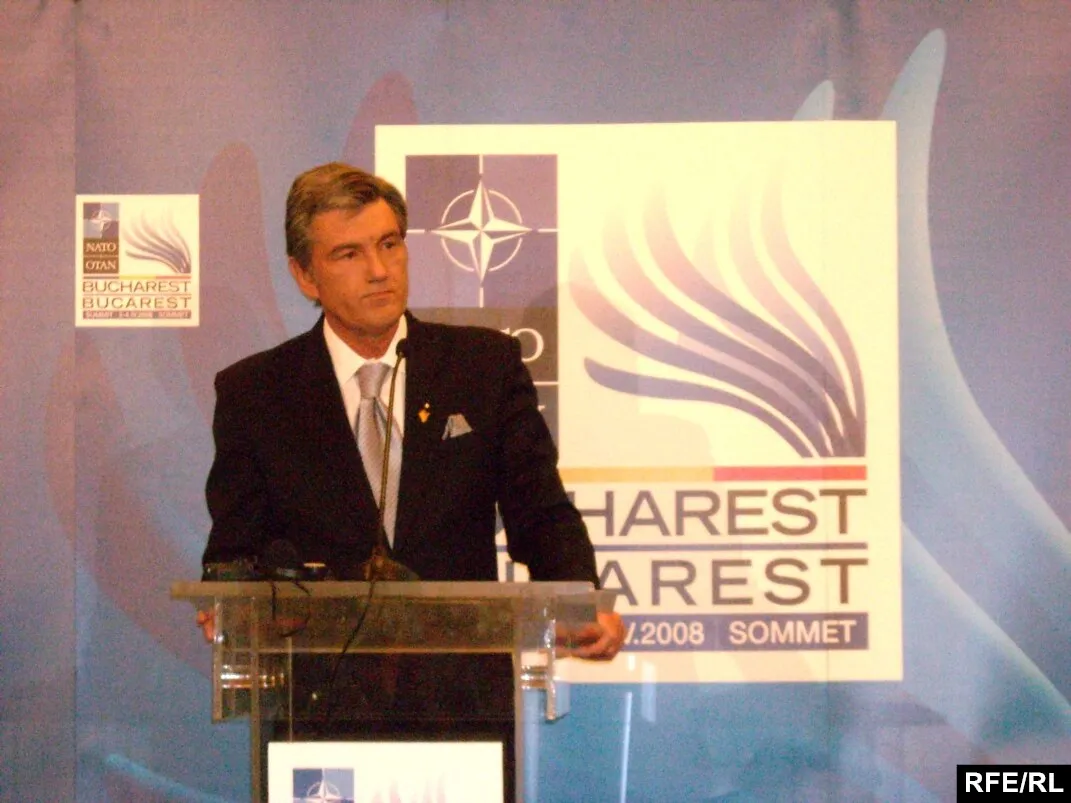
Here’s what happened: After the Orange Revolution, the new government made Euro-Atlantic integration an absolute priority. In January 2008, President Viktor Yushchenko, Prime Minister Yulia Tymoshenko, and Speaker of Parliament Arseniy Yatsenyuk signed an official appeal to NATO Secretary General Jaap de Hoop Scheffer. This was a rare instance in which the leaders of the three branches of government presented a unified position. The document went down in history as the “Letter of the Three.”
In it, the Ukrainian leadership requested that Ukraine be granted a Membership Action Plan (MAP)—the official stage of preparation for accession. The United States actively supported this decision, but some European allies were categorically opposed.
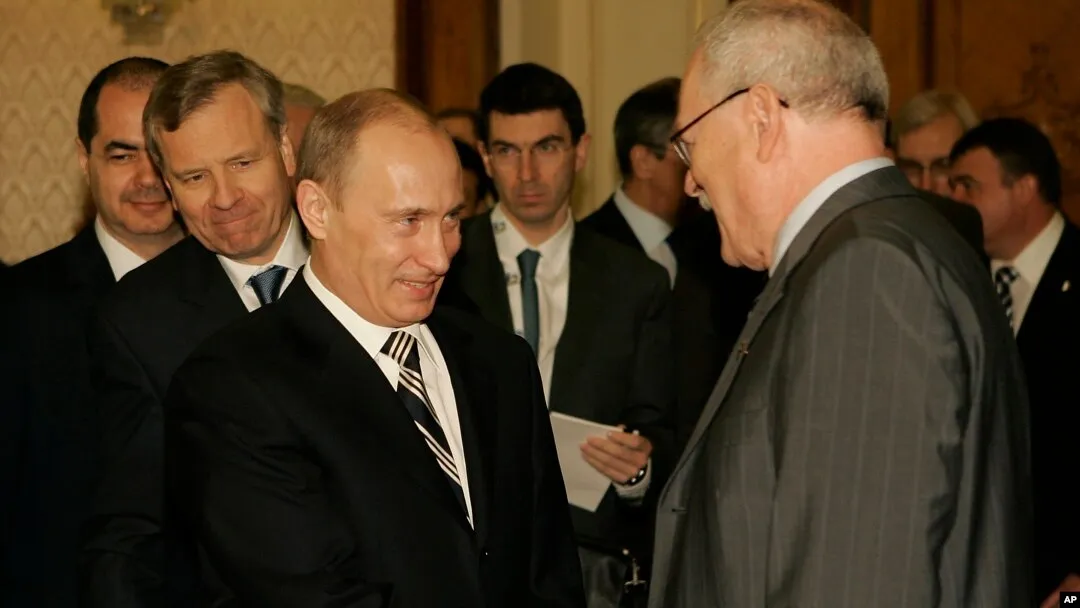
Germany and France were the strongest opponents. Chancellor Angela Merkel and President Nicolas Sarkozy believed that granting MAP status to Ukraine and Georgia would sharply worsen relations with Russia, and Berlin and Paris were eager above all else to maintain favorable economic ties. Moreover, Putin himself traveled to the summit in Bucharest and, behind closed doors, warned Western leaders that “Ukraine isn’t even a state,” and that its move toward NATO would lead to a loss of territory.
Another factor was the domestic situation in Ukraine: political confrontation between the branches of government, government instability, and a lack of sustained public support for joining the Alliance. At the time, opinion polls showed that the majority of Ukrainians did not support NATO membership.
To avoid leaving Kyiv empty-handed and to save face for the U.S., NATO included a compromise clause—though legally meaningless—in the final declaration: “NATO welcomes the Euro-Atlantic aspirations of Ukraine and Georgia... We have agreed that these countries will become members of NATO.” However, Ukraine was never granted any dates, deadlines, or the MAP itself.
The outcome of the attempt: Many politicians, diplomats, and military experts later called this decision a strategic mistake by the West. They believe that it was precisely the uncertainty that arose after Bucharest that sent a signal to the Kremlin that NATO was not ready to truly defend its future partners. Interpreting this as a sign of weakness and division within the West, Russia invaded Georgia just four months later—in August 2008.
And in Ukraine itself, Viktor Yanukovych came to power in 2010. He effectively buried the results of the Bucharest Summit by pushing a law through the Verkhovna Rada granting Ukraine “non-aligned status” and extending the Russian Black Sea Fleet’s presence in Crimea until 2042.
Attempt 3: The War in Donbas, Constitutional Provisions, and the Brussels Summit (2014–2021)
How it happened: The annexation of Crimea and Russia’s invasion of Donbas in 2014 destroyed the entire concept of “non-aligned status.” In late 2014, the Verkhovna Rada abolished non-aligned status, and in February 2019, at the initiative of Petro Poroshenko, the goal of full membership in NATO and the EU was enshrined in the Constitution of Ukraine. Returning to the Alliance has become a legal obligation for any Ukrainian government.
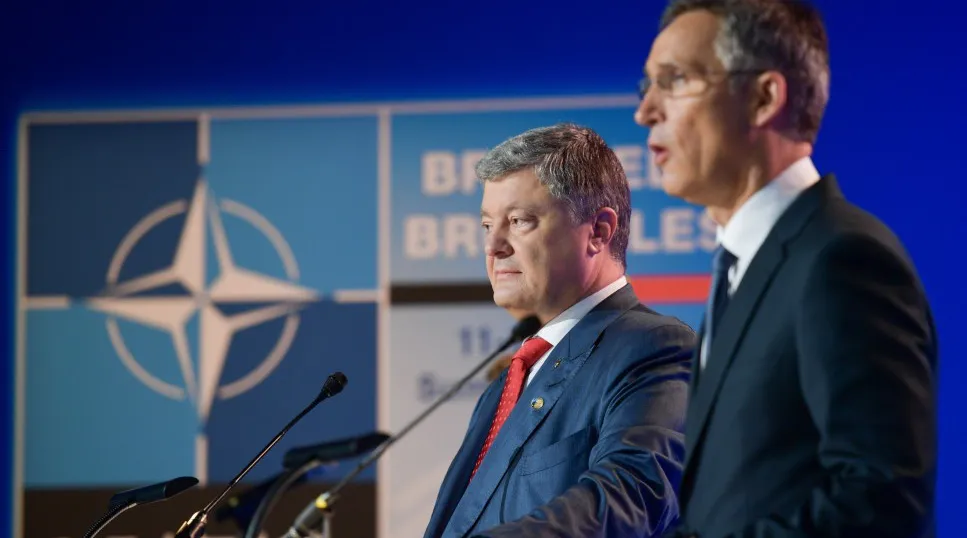
Following Russia’s aggression in 2014, Ukraine has been drawing ever closer to NATO. In 2020, it was granted Enhanced Opportunities Partner status, and in 2021, President Volodymyr Zelenskyy openly called on the Alliance to decide on granting Membership Action Plan (MAP) status. In the run-up to the Brussels summit, Kyiv worked actively with its allies, emphasizing that Russia is already waging war against Ukraine and that further delays would only encourage the Kremlin to launch new acts of aggression.
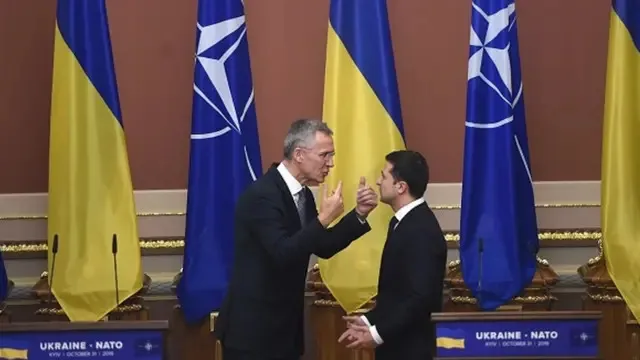
However, the Alliance once again fell short. In the final communiqué of the Brussels summit, NATO stated that it reaffirms the decision of the 2008 Bucharest Summit that Ukraine “will become a NATO member with MAP.” However, once again, no deadlines, timelines, or conditions for obtaining this MAP were specified.
The reasons were almost the same as in 2008. Some Alliance countries, primarily Germany and France, feared that formally bringing Ukraine closer to membership would sharply exacerbate relations with Russia. Another argument was the unresolved armed conflict in Donbas: under NATO rules, the admission of a state that is effectively at war creates the risk of automatically dragging the entire Alliance into a military confrontation.
In addition, the NATO summit took place just a few days before the planned meeting between Joe Biden and Vladimir Putin in Geneva (June 2021). Washington hoped to defuse the situation and avoid escalation on the part of Russia, so it refrained from taking any drastic actions regarding Ukraine.
Officially, Kyiv was advised to focus on implementing domestic reforms in the areas of defense, the judicial system, and the fight against corruption, with a suggestion to use the Annual National Programs (ANPs) as a preparatory tool.
The outcome of this attempt: Ukraine found itself caught in an endless diplomatic cycle: NATO demanded reforms during the war but did not provide the protection that would have allowed those reforms to be completed peacefully. The Alliance’s lack of clear action in the summer of 2021 ultimately gave the Kremlin free rein, convincing Putin that the West would not defend Ukraine militarily. This became a turning point that led the country to the events of February 2022.
Attempt 4: Accelerated accession during the war (2022–2024)
On September 30, 2022, the day Vladimir Putin announced the illegal annexation of four Ukrainian regions, President Volodymyr Zelenskyy declared that Ukraine was applying for NATO membership under an accelerated procedure. The document was co-signed by Verkhovna Rada Chairman Ruslan Stefanchuk and Prime Minister Denys Shmyhal. Ukraine emphasized that since Finland and Sweden are joining under an accelerated procedure, and the Ukrainian Armed Forces are de facto already containing the main threat to the Alliance and mastering its weapons, bureaucratic delays are no longer appropriate, and the issue of membership should be viewed as a matter of collective security rather than a distant prospect.
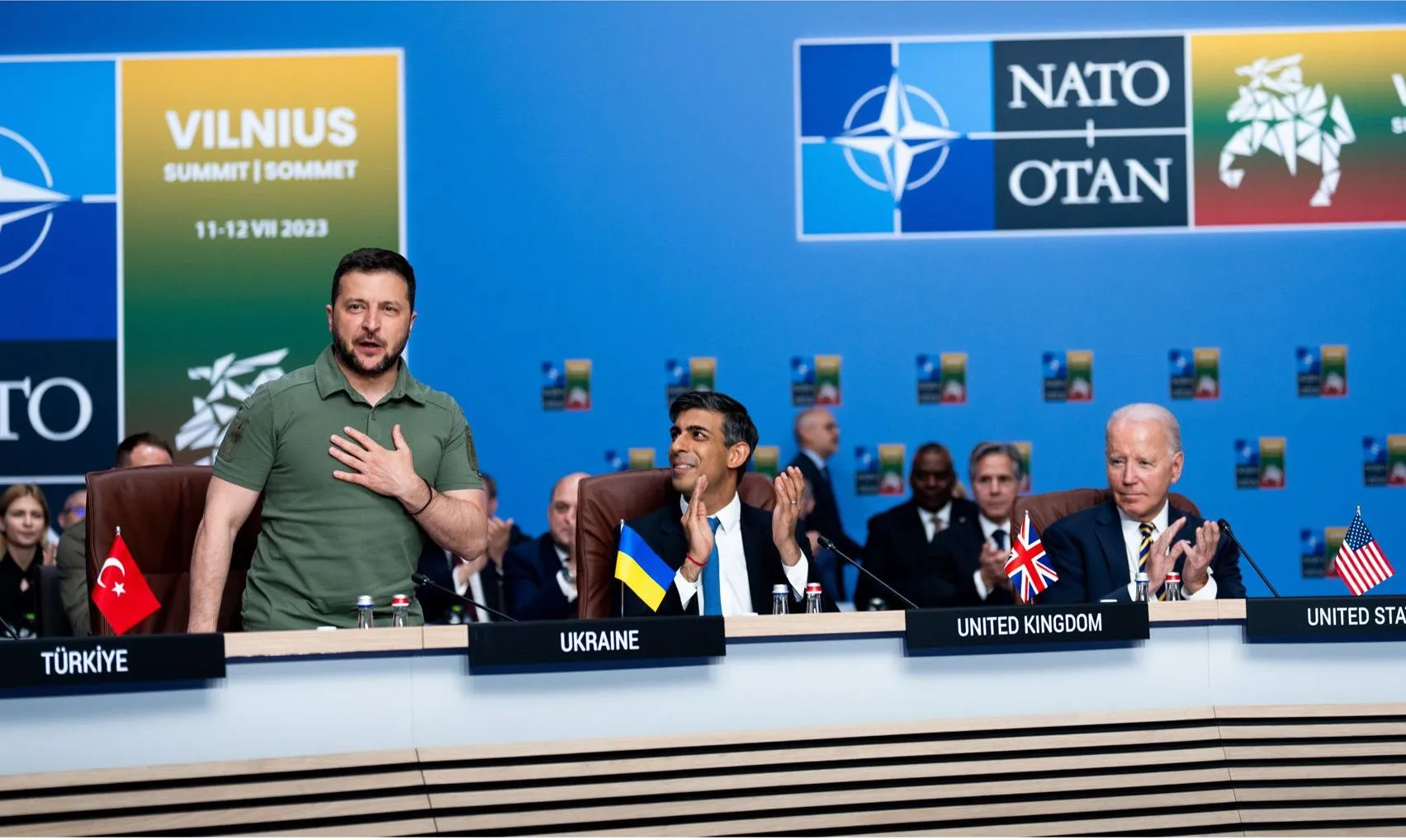
On the eve of the NATO summit in Vilnius in July 2023, Ukrainian diplomats launched a powerful campaign, demanding not just another round of promises, but a clear political invitation to join NATO immediately after the war ends.
However, the Alliance traditionally exercised restraint. The United States (the Biden administration) and Germany were the main skeptics. Their position was that extending even a conditional invitation to a country currently at war creates the risk of a direct confrontation between NATO and Russia under Article 5 on collective defense.
NATO Secretary General Jens Stoltenberg confirmed that NATO’s door remains open to Ukraine, but emphasized that during an active war, the allies’ primary task is to provide military aid, not to initiate the accession process. Most member states also held this position. Formally, the NATO Charter does not explicitly prohibit the admission of a country at war, but in practice this would mean that from the moment of accession, all allies would be obligated to comply with Article 5 of the Washington Treaty on collective defense. This was precisely what most governments were not prepared to do at the time, in order to prevent a direct military confrontation between NATO and Russia.
The final communiqué in Vilnius contained a vague formulation: “We will extend an invitation to Ukraine to join NATO once the allies agree and the conditions are met.” Exactly what these “conditions” were and who would determine their fulfillment was not clarified, which sparked a wave of critical statements from Ukrainian leadership.
The outcome of the attempt: At the NATO summit in Vilnius in July 2023, Ukraine was again not offered a specific date or timeline for accession. At the same time, the Alliance took several important political steps: it abolished the requirement to complete the Membership Action Plan (MAP), established the Ukraine–NATO Council as a new format for cooperation, and reaffirmed that Ukraine will become a member of the Alliance when the allies agree and when the necessary conditions are met. In other words, unlike the 2008 Bucharest decision, Ukraine is no longer required to go through an intermediate stage in the form of the MAP, but it has not been granted a mechanism for immediate accession either.
In fact, after 2022, NATO’s position changed not regarding the ultimate goal, but regarding the timeline. In 2008, many countries debated whether Ukraine should become a member of the Alliance at all, but after the full-scale invasion, support for future membership has grown significantly. The main obstacle remained not the political will of the majority of allies, but the risk that admitting Ukraine during an active war would automatically drag the entire Alliance into a direct armed conflict with Russia. That is precisely why NATO’s response today effectively boils down to this: Ukraine will certainly become a member of the Alliance, but the decision on the timing of its accession will be made only when the allies deem it safe for the entire bloc.
Public Sentiment: How Ukrainians’ Attitudes Toward NATO Have Changed (2002–2022)
In parallel with the government’s diplomatic efforts, public opinion itself has evolved. For a long time, Ukrainians’ attitude toward the Alliance remained a factor that Western skeptics actively cited when denying Kyiv Membership Action Plan (MAP) status.
- 2002: After Leonid Kuchma and the National Security and Defense Council announced the goal of joining the Alliance, public opinion was split down the middle—32% supported this move, while 32.2% opposed it.
- 2003–2006: Despite the Orange Revolution, support for accession plummeted, while the share of opponents grew. While 21.9% were “in favor” in 2003 (compared to 37.7% “against”), by February 2005 the number of supporters had dropped to 18.5% (compared to 54.2% “against”). In early 2006, support hit an all-time low: only 15.4% were “in favor,” compared to 63.9% “opposed.”
- 2010–2013: During Viktor Yanukovych’s presidency and in the year leading up to the war, support levels remained consistently low. In 2010–2011, about 24% of citizens supported accession (64–65% opposed). And in 2013 specifically, only 18% of Ukrainians envisioned the country joining NATO, while 67% were opposed.
- September 2014: The start of Russian aggression shattered illusions. Support for membership increased more than 2.5-fold, reaching 47.8% (compared to 32.4%).
- 2015–2020 (Stabilization Period): After the initial shock, public sentiment gradually adjusted to the conditions of the protracted conflict in the east—support levels remained within the range of 40–43%.
- Summer 2021: Against the backdrop of the first massive buildup of Russian troops along Ukraine’s borders, the share of NATO supporters rose again to 47.8%, while the number of opponents fell to 24.3%.
- Fall 2022: Russia’s full-scale invasion finally put an end to the domestic debate. As of October 2022, a record 83% of citizens would have supported joining the Alliance in a referendum, while only 4% opposed it.
- July 2025: Support for joining the Alliance remained high—about 70% of respondents were in favor.
- February 2026 (on the eve of the Munich Conference): A survey by the Razumkov Center recorded a temporary increase in support to 71.3% (17.9% were opposed).
- April 2026 (dropping to its lowest level since the start of the major war): According to polls (“Rating,” Razumkov Center), the figure fell to 54%. Sociologists and analysts attributed this decline to public fatigue from diplomatic uncertainty, as well as the media environment (U.S. statements about internal problems within the Alliance and the lack of quick solutions regarding security guarantees).
- June 2026 (recovery): Support rose again—63% of Ukrainians said they would vote “yes” on NATO membership in a referendum (10% would vote “no,” and about 20% would abstain).
Finally, it should be reiterated: Ukraine has never submitted an official application for NATO membership that the Alliance would have considered and rejected. However, on several occasions, it has failed to secure key political decisions, the most high-profile of which were the 2008 Membership Action Plan and the official invitation following the outbreak of full-scale war.
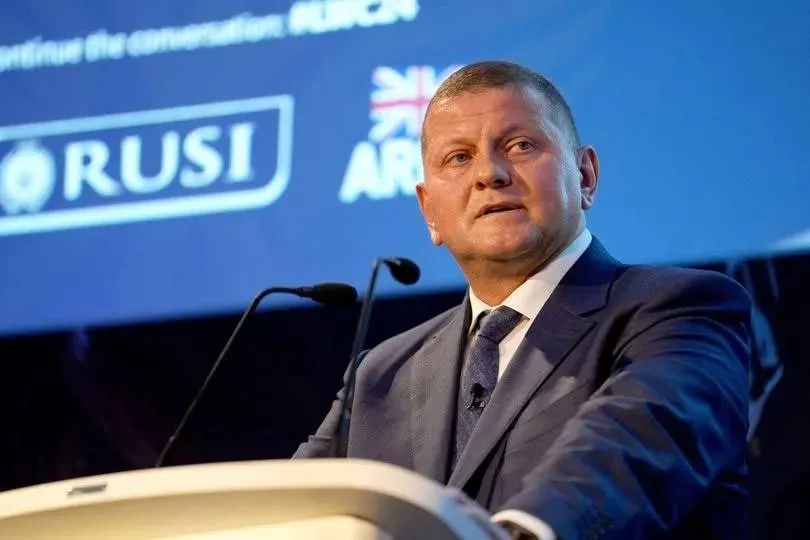
“For about 12 years, I personally worked to ensure we met NATO standards and listened every year to fairy tales about how we were about to join. Unfortunately, we’ll never join it!” General Zaluzhny emphasized at a general meeting of ambassadors in Kyiv, criticizing the Alliance for its outdated doctrines and slow adaptation to modern threats.


