
Apple explains privacy protections in new sound analysis features — The Verge
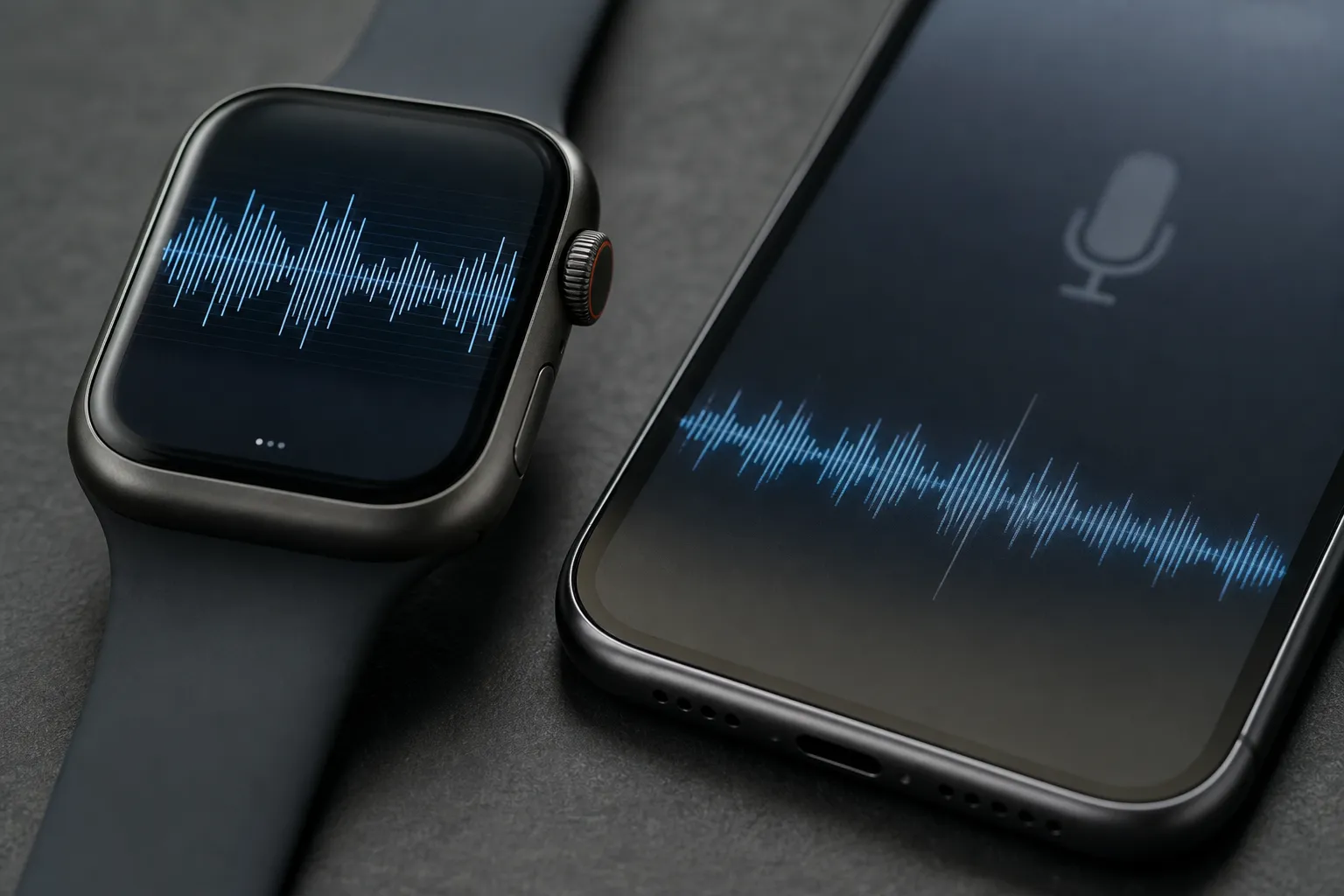
Apple has published a document outlining its approach to privacy protection in the new Siri Audio Intelligence features that analyze sounds. The company said it does not have access to users’ raw audio: it is processed in a specialized hardware module, is not stored as a file, and is inaccessible to the operating system, apps, or Apple itself. This was reported by The Verge.
Isolated audio processing
During the presentation of the iPhone Duo, Apple introduced several Audio Intelligence features for Siri: Siri Recap, Live Rewind, Sound Recognition, and Music Recognition. According to the company, these capabilities use Secure Exclave in the S11 chip, which powers the Apple Watch Series 12 and Apple Watch Ultra 4.
Apple describes Secure Exclave as a hardware-isolated component in the silicon designed for separate processing of sensor data. According to the company, data processed and analyzed in this environment is inaccessible to watchOS, apps, the user, or Apple.
More current news is available on the UA.News Telegram channel Telegram.
Managing the features
Audio from the microphone is sent to Secure Exclave in the Apple Watch, where it is initially processed to recognize speech, sounds, or music without transcribing or storing raw audio. Apple noted that the audio buffer is continuously overwritten, exists only in the protected hardware environment, and does not create an audio recording.
The company also said that users themselves determine whether and when Audio Intelligence features will be active. To launch Live Rewind, the Digital Crown must be pressed twice each time. If Audio Intelligence information needs to be transferred to an iPhone, it is transmitted in encrypted form through Secure Exclave on both devices. Users can choose which text to save from Siri Recap and Live Rewind; if the device has a passcode and iCloud two-factor authentication, this text will sync with end-to-end encryption.


