
European institutions have banned the use of AI-generated content in official communications
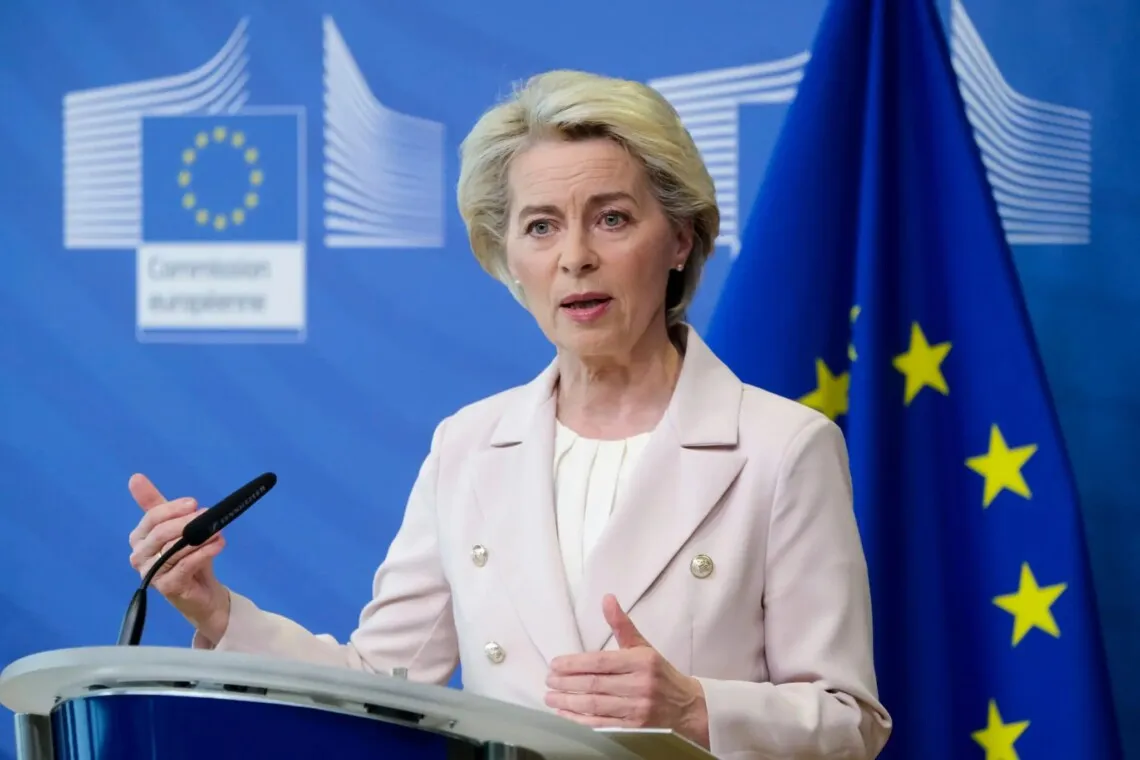
Leading European Union institutions have imposed a strict ban on the use of AI-generated videos and images in their official communications.
This was reported by Politico.
The European Commission, the European Parliament, and the Council of the EU adopted this decision amid the rapid spread of deepfakes and manipulative content online.
The main goal of the new rules is to preserve public trust and ensure the authenticity of official information.
The leadership of these institutions believes that the use of synthetic content by press services could be perceived as misleading or even harmful to democratic processes.
“The video footage and photographs that we use and provide to journalists or for official communication purposes do not contain AI-generated content,” European Commission spokesperson Thomas Rignée officially stated.
He emphasized that “authenticity” is currently an absolute priority.
Despite a complete ban on creating new visual images, the European Commission allows the use of AI tools for technical optimization.
This refers to improving the quality of existing images or audio without altering the essence or origin of the material itself.
As a reminder, OpenAI has acknowledged that its AI models deliberately mislead users.
Additionally, an OpenAI competitor has unveiled a new AI model.


