
Flock Safety changes rules for access to camera data in the US — The Hill
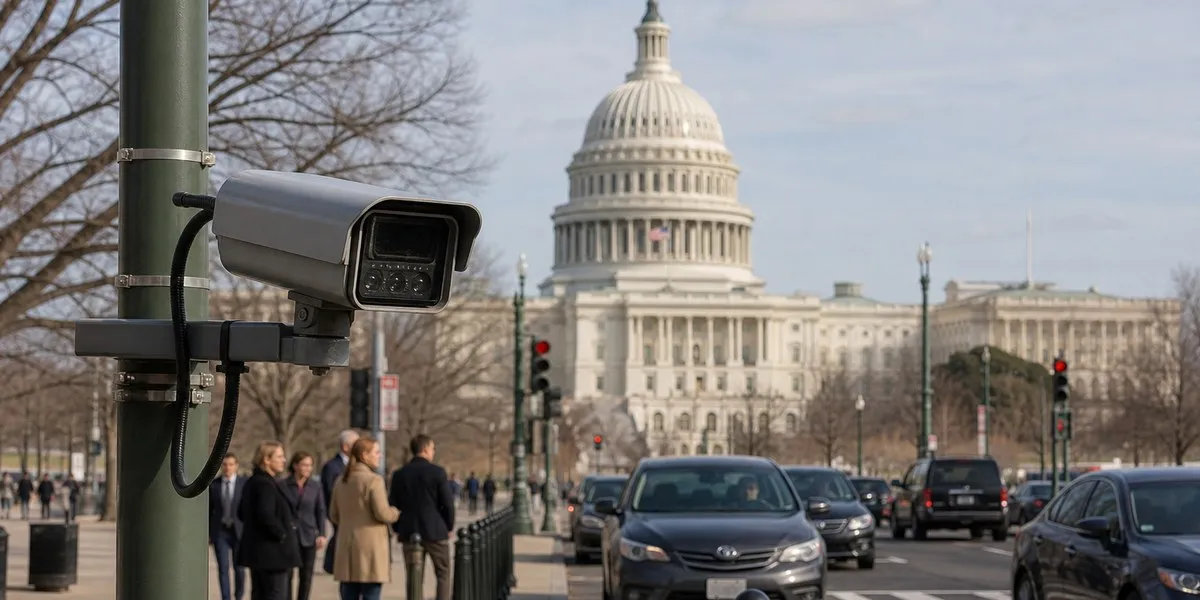
In the United States, Flock Safety announced changes to the operation of its database of automatic license plate readers ahead of a Senate hearing on privacy protection. As The Hill reports, the company’s chief legal officer, Dan Haley, sent Senator Josh Hawley a letter listing the changes on September 8.
Hawley is leading an investigation into Flock Safety over privacy concerns. Executives from Axon Enterprise, Motorola, and Verkada were also invited to the hearing, but none of them attended.
New requirements for searches
Flock Safety has changed the procedure for justifying searches in the system. Previously, law enforcement officers could enter the reason for a search in a free-text field, which sometimes resulted in insufficiently specific requests. Now, the user must select the type of offense, and information about the request is recorded in an audit log. The list of categories is based on the crime reporting standards of the U.S. Federal Bureau of Investigation. An administrator may also require a case number for every search.
The company launched the Audit Assistance tool to monitor activity in the system and identify search patterns that differ from ordinary use. According to Haley, this should enable administrators to promptly review potentially problematic activity, document it, and respond to it.
More current news is available on the UA.News Telegram channel Telegram.
Data retention and access by other agencies
Flock Safety has also introduced filters by offense type. Cities that have contracts with the company will be able to determine for which categories of cases other agencies are allowed to access their cameras.
The company reduced the recommended default data retention period from 30 to seven days. At the same time, law enforcement agencies may independently set a different period in accordance with state or local government policy. Separately, Flock Safety launched an evidence preservation mode that allows detectives to retain certain data in active investigations that are ongoing or have no leads.
The company has a network of more than 120,000 cameras across the country. Its systems record not only license plates but also a vehicle’s make, model, and color, as well as distinctive features such as stickers, decals, and accessories, creating what the company calls a “vehicle fingerprint.”




