
China is halting desert expansion with the help of space technology
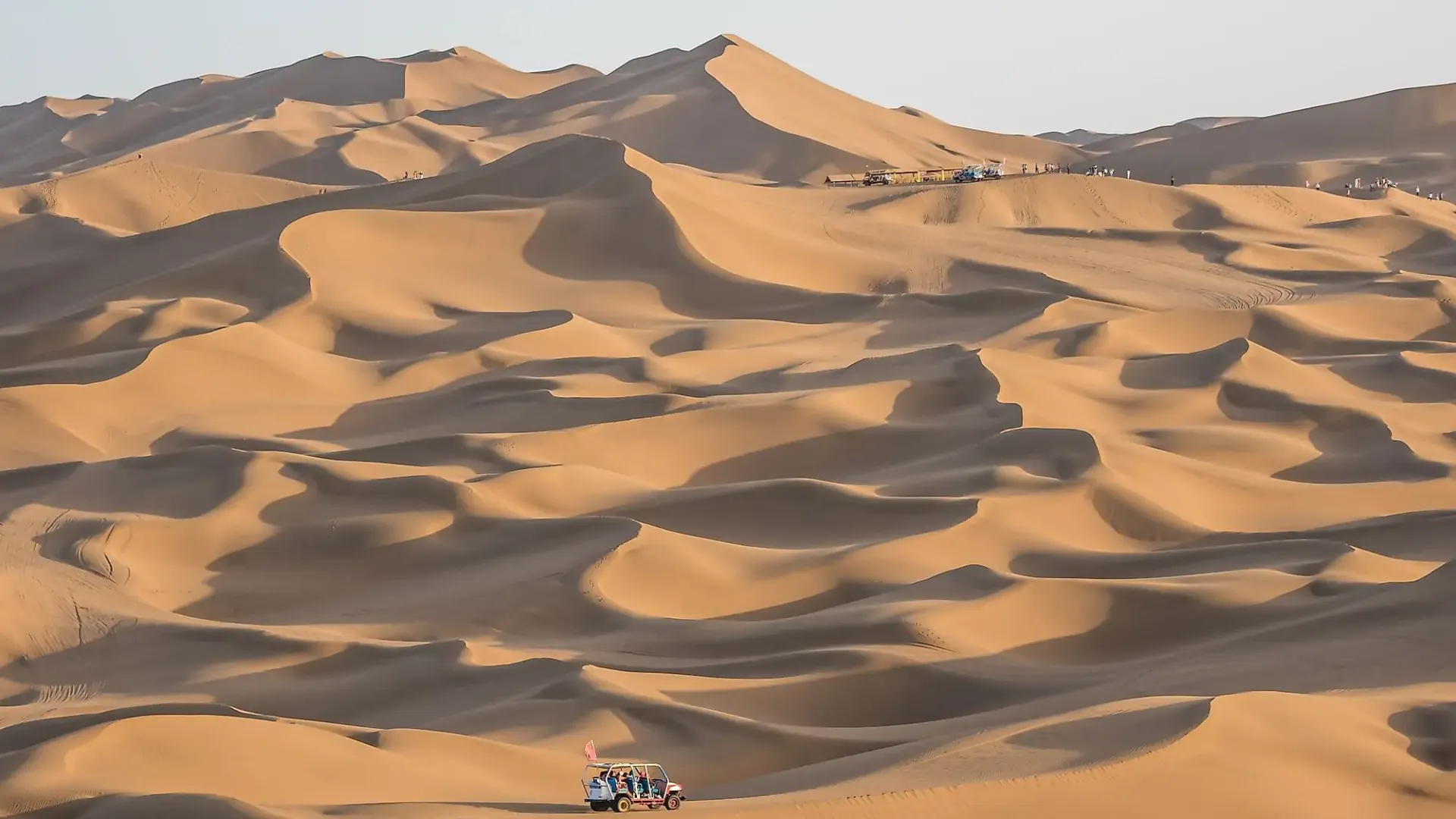
The Chinese Academy of Sciences has launched a large-scale initiative to implement innovative eco-friendly materials to curb the expansion of the Taklamakan Desert in Xinjiang, adapting technologies developed for its lunar program for this purpose.
This is reported by Interesting Engineering.
Scientists are using ultra-strong basalt fiber, made from molten volcanic rock, to effectively stabilize shifting sand dunes and protect surrounding farmland from erosion and sandstorms. Previously, this unique heat-resistant material successfully passed tests in space as part of the Chang’e-6 unmanned interplanetary mission, which brought lunar soil samples back to Earth.
This new wave of technological projects is part of the long-term national environmental campaign “Great Green Wall,” aimed at creating a sustainable natural barrier around the country’s largest desert. In addition to the basalt fibers developed by Wuhan Textile University, engineers have begun utilizing industrial ash from coal-fired power plants to create durable protective structures. According to researchers’ estimates, integrating these components can cut the construction time for anti-desertification structures in half while reducing overall costs by a third.
At the same time, specialized institutes have launched separate comprehensive programs in southern Xinjiang to address the effects of severe soil salinization and restore the fertility of degraded soils. Since this western region remains a strategically important agricultural center for China, halting wind erosion and transforming barren salt flats into productive fields are recognized as priority national security tasks.
Researchers from China have developed the LTE440 (Lunar Time Ephemeris) software for the precise measurement of lunar time.
It was previously reported that the Solar System is movingfaster than scientists had previously thought.


