
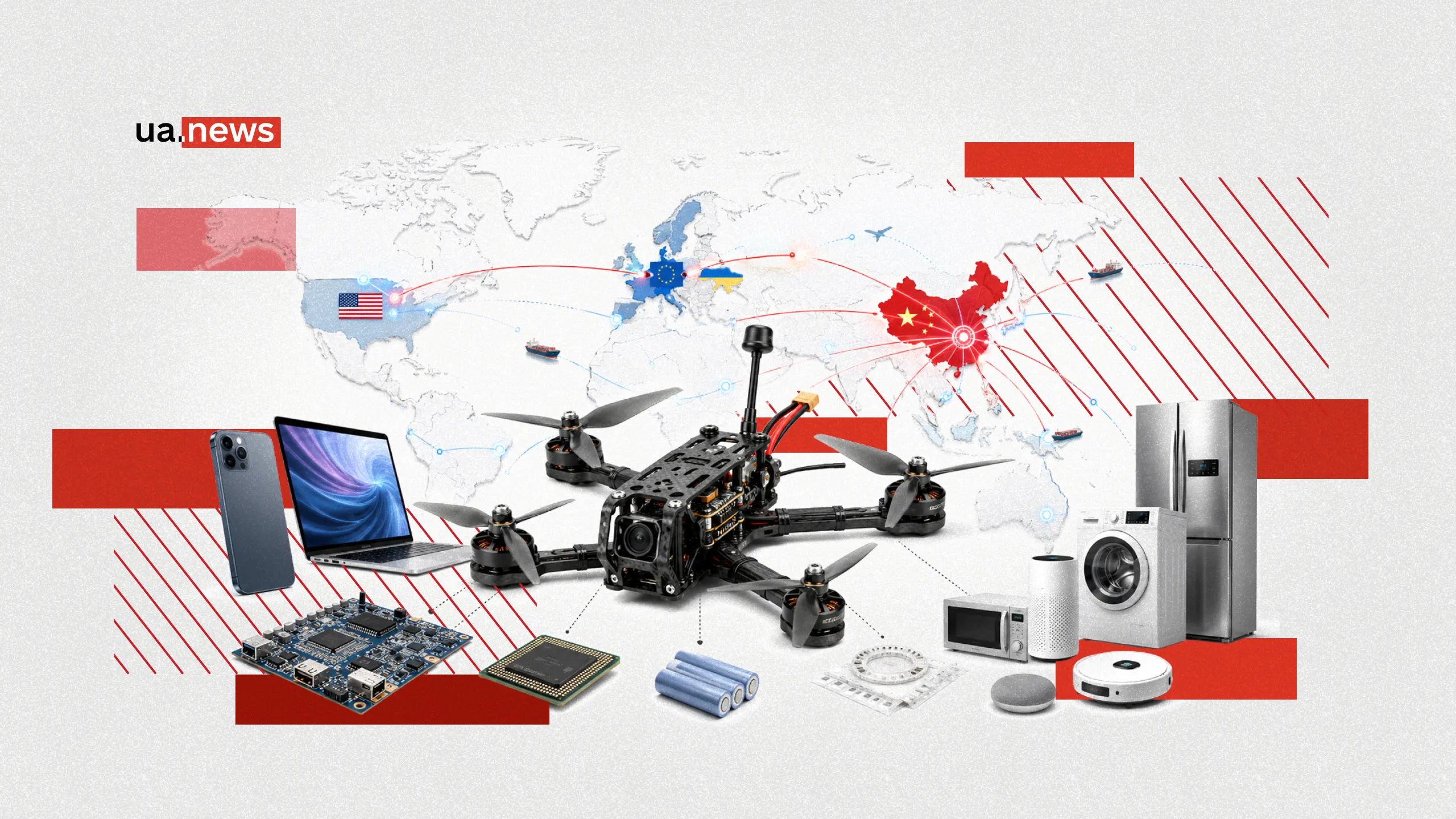
Chinese Parts for Ukrainian Drones: Why the Whole World Depends on Chinese Factories
06 August 2026 17:00A Ukrainian drone can be designed in Kyiv, assembled in Lviv, Dnipro, or Kharkiv, equipped with domestic software, and tested directly on the front lines. However, it may still contain Chinese motors, cameras, controllers, radio modules, batteries, bearings, or magnets.
In July 2026, this dependence was effectively officially recognized by the European Union. According to the Financial Times, Ukraine was allowed to use part of the first tranche of a 6 billion euro EU defense loan to purchase Chinese components for drones.
European defense funds are typically intended for products manufactured in Ukraine, the EU, or partner countries. However, Brussels granted an exception for certain Chinese components, as the necessary parts cannot be quickly sourced in Europe in the required quantities.
This decision highlighted one of the main paradoxes of modern warfare. The West is trying to restrict China’s access to advanced technologies, is removing Chinese equipment from critical infrastructure, and is talking about strategic autonomy. At the same time, Ukraine cannot manufacture the number of drones needed at the front without products from Chinese factories.
UA.News explores the extent to which the Ukrainian defense industry depends on Chinese components, why the label “Made in Ukraine” does not always mean full localization, and how China has turned civilian manufacturing into a tool of geopolitical influence.
To What Extent Do Ukrainian Drones Depend on Chinese Components?
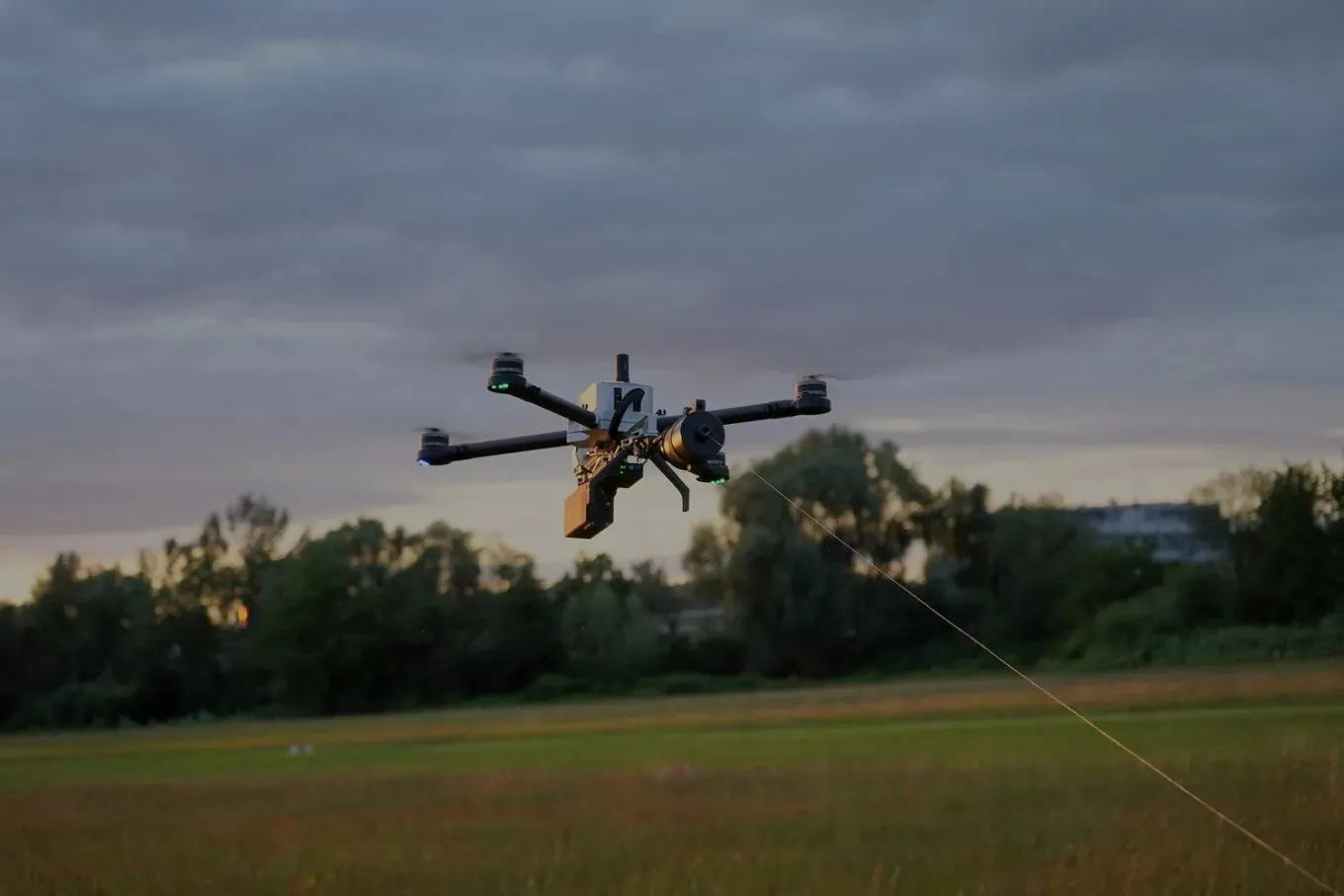
Following the start of the full-scale invasion, Ukraine has built one of the largest and most dynamic drone industries in the world. In just a few years, Ukrainian companies have gone from repurposing civilian quadcopters and operating out of small volunteer workshops to mass-producing reconnaissance, strike, maritime, ground-based, and long-range systems.
However, designing a drone in-house does not yet guarantee independence in its production.
A typical FPV drone consists of a frame, four electric motors, a flight controller, speed controllers, a camera, a video transmitter, an antenna, a receiver, a battery, and propellers.
In addition, its assembly requires printed circuit boards, cables, connectors, bearings, magnets, and dozens of other small components.
For decades, China has been mass-producing a significant portion of these components. An entire industrial ecosystem has developed there, with printed circuit board factories, electronics suppliers, and manufacturers of motors, cameras, batteries, frames, and radio communication systems all located in close proximity.
A Ukrainian company may independently design a circuit board and assemble it in Ukraine, but the microchips installed on it often come from China. A manufacturer may produce motors at a Ukrainian facility but use imported bearings, magnets, or production equipment.
Therefore, dependence must be assessed not only based on the location of final assembly. The origin of critical components, materials, and technologies—without which the company cannot continue operations—is crucial.
What Chinese parts are used in Ukrainian drones
It is easiest to localize frames, housings, mounts, antennas, and some cable products. The situation remains much more complex for components backed by a large industrial supply chain.
A brushless motor for an FPV drone may seem like a relatively simple device. In reality, its mass production requires copper windings, precision bearings, electrical steel, magnets, shafts, housings, and balancing equipment.
Neodymium magnets are particularly important. China controls a significant portion of the global rare-earth elements supply chain—from raw material processing to the production of finished permanent magnets. They are used not only in inexpensive FPV drones but also in airplanes, rockets, guidance systems, electric vehicles, and industrial equipment.
Batteries remain another problematic category. A drone’s flight range, speed, and payload capacity depend directly on the battery’s performance. Producing competitive battery cells requires specialized chemical components, raw materials, expensive equipment, and strict quality control.
China also remains one of the leading manufacturers of cameras, sensors, lenses, video transmitters, receivers, controllers, electronic speed regulators, and printed circuit boards. That is why it is not enough for a Ukrainian manufacturer to simply find the blueprints for the necessary part. They must build a factory and ensure the production of tens or hundreds of thousands of identical products every month.
Why “Made in Ukraine” Doesn’t Always Mean Full Localization
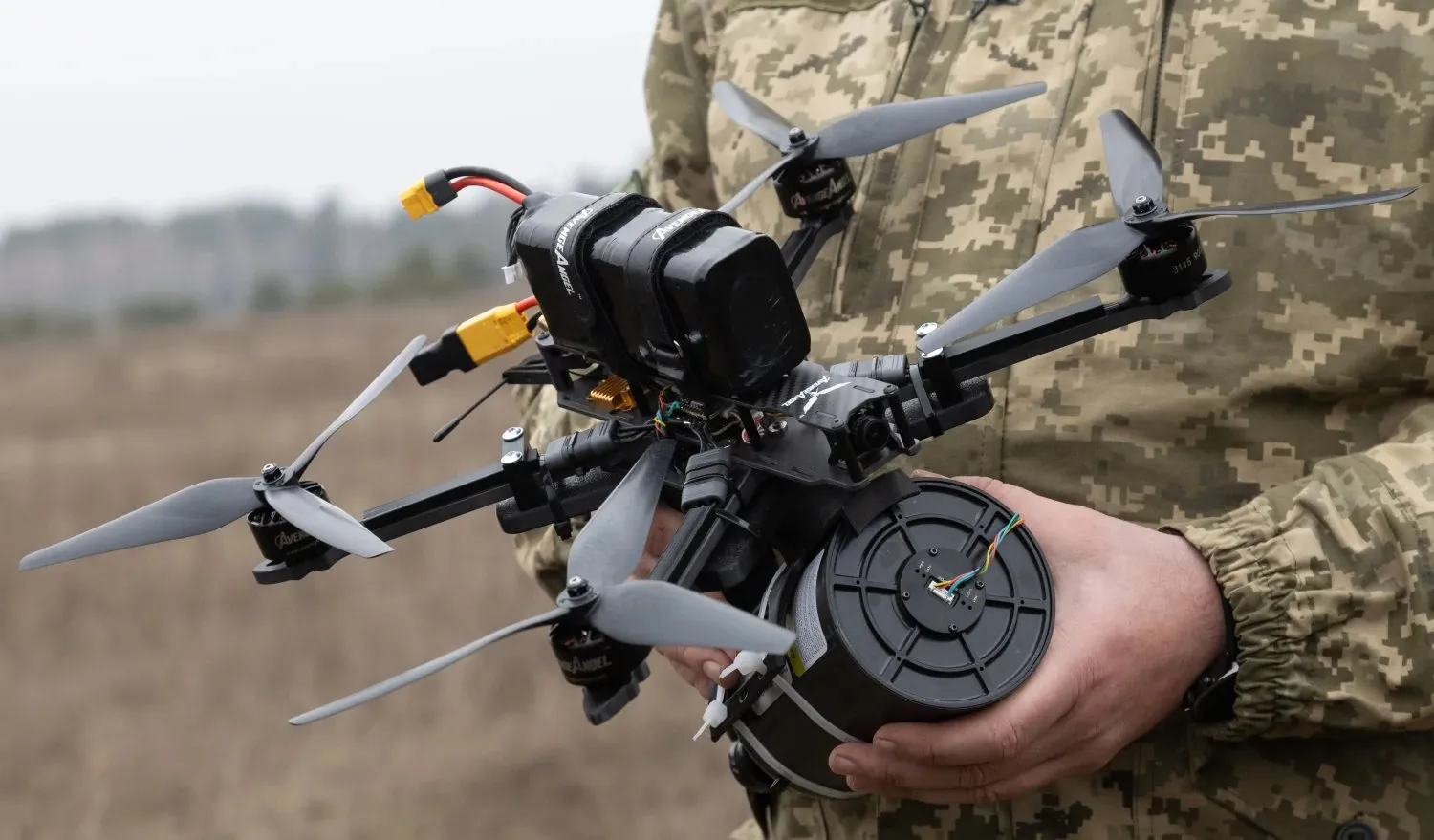
Even a component that is officially designated as Ukrainian may depend heavily on Chinese industry.
Andriy Tagansky, business director of the Ukrainian company Odd Systems, explains this using the example of cameras for drones.
According to him, in a single camera, the sensor, lens, and circuit board may all be of Chinese origin. In Ukraine, the manufacturer produces the housing, develops the software, configures the device, tests it, and performs the final assembly. In terms of cost, the Ukrainian component may be significant, but physically, most of the parts still come from China.
Tagansky notes that the use of Chinese components could become an issue when supplying weapons to NATO countries. Western customers are increasingly demanding that dependence on China be minimized, especially when it comes to cameras, communication systems, navigation, and other sensitive electronics.
This means that localization can be calculated in different ways. If we factor in Ukrainian design, programming, engineers’ salaries, the housing, and assembly, the localization rate will be relatively high. But if a Chinese manufacturer stops selling sensors or lenses, production of the finished camera will still come to a halt.
True technological independence does not begin with a Ukrainian sticker on the casing, but with the ability to continue production after supplies from the main foreign partner have ceased.
Chinese components could block Ukrainian drones from entering the NATO market
The problem of dependence on Chinese components extends beyond simply supplying drones to the front lines. According to Viktor Taran, founder of the “Kruk” UAV Operator Training Center, this dependence could limit Ukrainian defense companies’ ability to sell their products to Western partners in the future.
The expert notes that NATO countries will be reluctant to enter into long-term arms contracts if production depends on Chinese microchips and other critical components. The reason lies not only in political relations with Beijing but also in the security of supply chains.
China could change its export regulations at any moment, restrict the sale of dual-use goods, or use dependence on components as a tool for exerting pressure. For a NATO member state, this means the risk of being left without essential components during a political or military crisis.
Taran also emphasizes that European partners expect Ukraine to localize more than just the final assembly of drones. Western customers are interested in the origin of microchips, communication modules, sensors, motors, and other key components.
Therefore, while Chinese components currently help Ukraine produce drones for the front lines quickly and relatively cheaply, they may also become a barrier to Ukrainian arms exports once the war ends.
To compete in EU and NATO markets, Ukrainian companies will have to develop separate versions of their products without Chinese components or establish alternative supply chains in collaboration with European, American, Japanese, and Taiwanese partners.
Ukraine is already mass-producing its own drone engines

Despite the scale of the problem, Ukrainian localization is gradually moving from prototypes to mass production.
One of the most notable examples is Motor-G, a company that manufactures brushless electric motors for drones. In December 2025, the Ukrainian defense cluster Brave1 reported that the company was producing over 100,000 motors per month.
An interceptor drone equipped with one of Motor-G’s motors was able to reach speeds of approximately 400 kilometers per hour. The company also states that it is working to gradually increase the proportion of parts manufactured directly in Ukraine.
This example proves that China’s advantage does not stem from the inaccessibility of the technologies themselves. Ukrainian engineers are capable of creating competitive motors adapted to real combat conditions.
Scale remains an issue. One hundred thousand motors per month are enough for approximately 25,000 quadcopters, assuming four motors are installed on each device. For an industry whose needs are measured in hundreds of thousands of drones, this is still not enough.
Furthermore, the fact that a motor is assembled in Ukraine does not necessarily mean that all of its magnets, bearings, metals, and manufacturing equipment are of Ukrainian origin.
Why the EU Allowed the Purchase of Chinese Parts with European Funds
The authorization to use part of the European loan for Chinese components was a necessary compromise between EU industrial policy and the needs of the front lines.
Brussels wants defense funds to be directed primarily to Ukrainian and European companies. This is intended to create jobs, keep factories running, and build independent supply chains.
However, in the case of drones, Europe is not yet able to provide Ukraine with the necessary quantities of engines, batteries, cameras, and electronics. Ukraine cannot afford to wait several years for new factories to be built.
That is why Kyiv has been granted an exemption for goods that are not available in Europe on the necessary scale or that cannot be delivered quickly enough. This primarily refers not to ready-made Chinese military drones, but to dual-use goods: motors, cameras, controllers, batteries, and communication systems.
Jonas Malmgren, an investor in Ukrainian engine production, acknowledged in a letter to the Financial Times that purchasing Chinese parts is currently necessary due to the needs of the front lines. At the same time, he emphasized that such dependence must remain temporary.
In his view, the EU should finance not only imports but also the purchase of equipment, the retrofitting of factories, and the launch of production lines in Ukraine and Europe. China’s advantage lies primarily in the scale of its production, not in a monopoly on the technologies themselves.
Chinese factories supply parts to both sides of the war
One of the main paradoxes is that Ukrainian and Russian drones may contain components manufactured at the very same Chinese facilities.
Beijing officially states that it does not supply lethal weapons to the warring parties. However, an engine, camera, controller, or battery can, in and of itself, be used for both civilian and military purposes.
Such products are used in agricultural drones, filmmaking, cargo delivery, and industrial monitoring. At the same time, those same parts can be assembled into an attack FPV drone.
This dual-use nature allows components to be sold through intermediaries, trading companies, and third countries, concealing the end user.
In July 2025, Reuters reported that Chinese L550E motors were supplied to the Russian company “Kupol” under the guise of industrial refrigeration units. These engines were used in the production of “Harpyia-A1” attack drones, which Russia used to attack Ukraine.
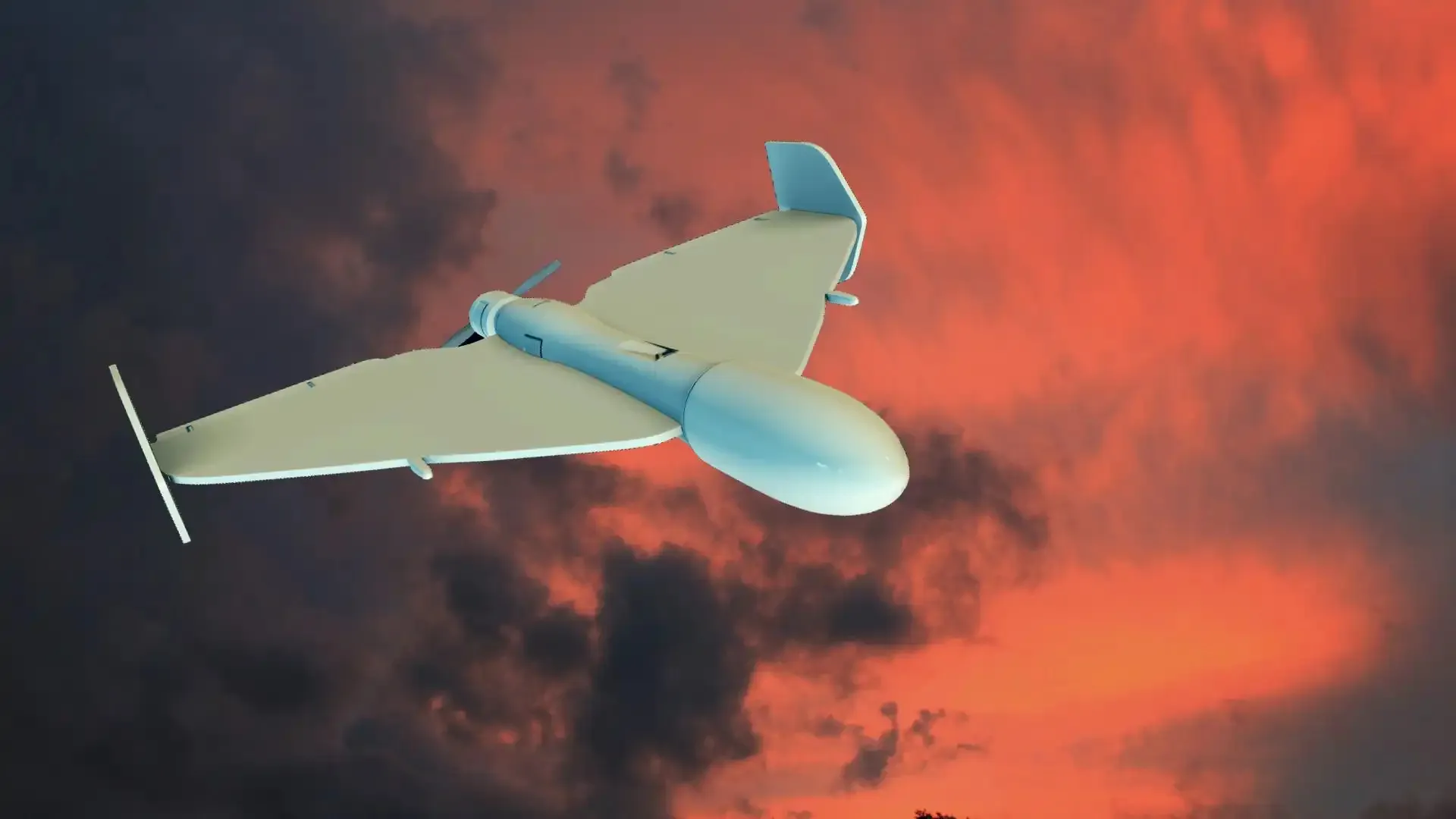
According to documents obtained by journalists, the reclassification of the cargo was intended to help circumvent export restrictions and Western sanctions. Along with the engines, the Russian system received control and navigation systems and other components from China.
In September 2025, Reuters also reported on trips by Chinese specialists to Russia. According to information from European officials and documents, they participated in technical work on military drones at a sanctioned Russian enterprise.
Estonian foreign intelligence stated in 2025 that approximately 80% of the critical foreign components supplied to Russia for the production of military drones pass through China. Beijing has thus become not only a manufacturer but also a major hub for the resale of Western electronics.
How China Uses Export Restrictions
Dependence on Chinese components is dangerous not only because of the possibility of a complete halt in supplies. It also allows Beijing to selectively regulate access to critical technologies.
China has already changed the export rules for drones, infrared equipment, lasers, communication systems, and other dual-use goods. In 2024, Beijing revised export controls for certain drones and key components, including equipment for infrared imaging and laser target designation.
For a Ukrainian company, any change in the rules could mean cargo delays, higher component costs, or a supplier’s refusal to fulfill an order.
Russia shares a land border with China, has a large network of trade intermediaries, and has developed sophisticated schemes to circumvent sanctions. Therefore, even Chinese restrictions that are formally identical can have different consequences for Moscow and Kyiv.
As a result, China gains the ability to influence the pace of drone production without formally supplying finished weapons to either side.
Europe also depends on Chinese industry
The Ukrainian case is the most acute due to the war, but it is not unique.
Europe depends on China for the supply of rare earth materials, permanent magnets, battery cells, electronics, telecommunications equipment, and industrial components.
For decades, European companies have been moving production to China because it allowed them to cut costs. Europe retained its brands, research centers, and design bureaus, but lost the ability to manufacture basic parts cheaply and on a large scale.
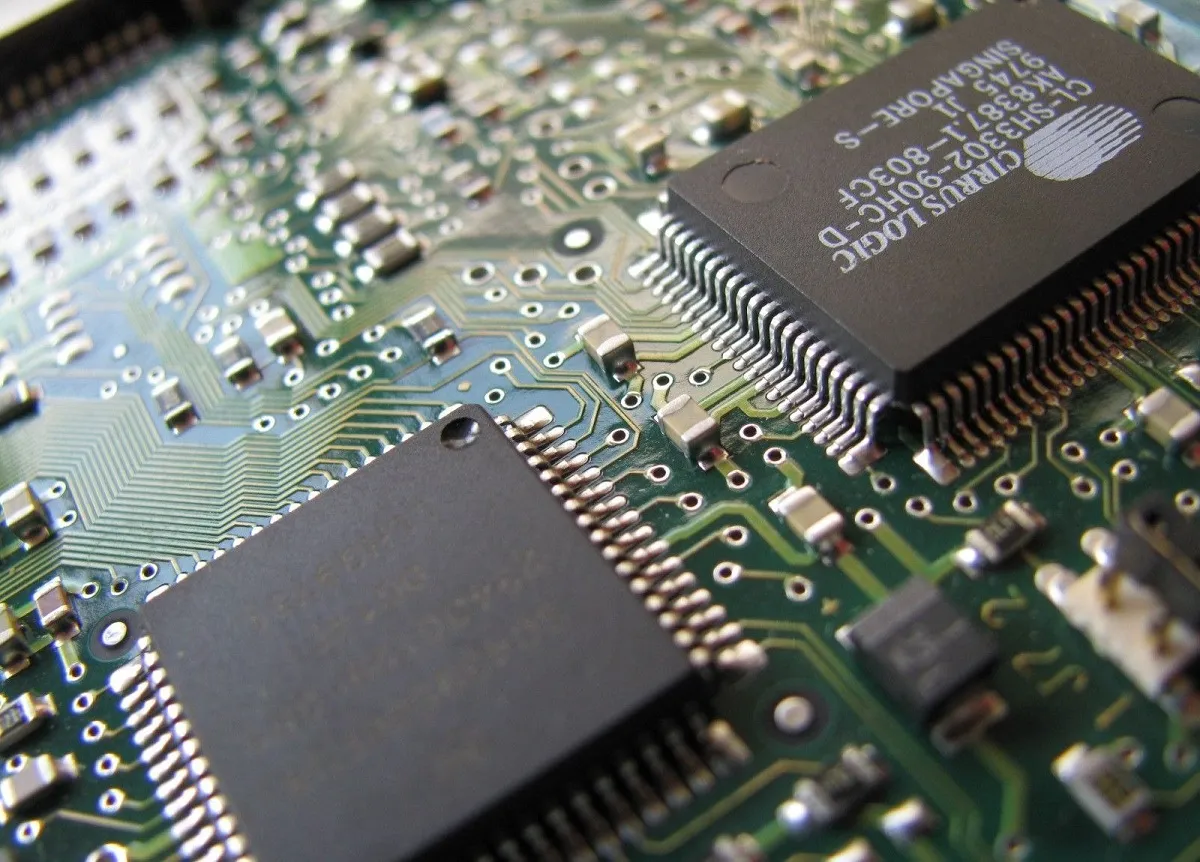
Now, bringing this production back has proven to be much more difficult than closing it down in the first place. It requires building factories, purchasing equipment, training personnel, and supporting local companies for years through government contracts.
Even France, which has well-developed automotive, aviation, and defense industries, is only now beginning to scale up production of lower-cost military drones. In August 2026, Reuters reported on at least six partnerships between defense companies, automakers, and automotive parts suppliers.
French authorities are attempting to leverage the automotive industry’s expertise for the mass production of electric motors, attack drones, and counter-drone systems. However, the planned production volumes still fall significantly short of the scale required by Ukraine.
The U.S. is restricting China but also depends on it
For several years now, the United States has been trying to restrict China’s access to advanced semiconductors, chip manufacturing equipment, artificial intelligence systems, and military technologies.
Washington is also imposing origin requirements on drones and components used by government agencies and the military. In December 2025, the U.S. blocked imports of new models of foreign drones, a move that primarily affected Chinese manufacturers.
The rationale behind this was the risk of unauthorized access to data, remote interference with drone operations, and dependence on foreign suppliers.
However, creating a fully American-made, low-cost drone has proven difficult. Motors, controllers, radio systems, batteries, magnets, carbon fiber, and certain microchips may be of Chinese origin.
American or European equivalents often cost several times as much. For a large reconnaissance drone, such a price difference may be acceptable. For a disposable FPV drone, which is to be produced in the hundreds of thousands, it becomes a serious obstacle.
At the same time, China has the ability to respond with its own restrictions. In August 2026, Beijing tightened controls on the export of drones and related technologies to the U.S. in response to American measures targeting Chinese companies.
This has sparked a technological sanctions war: the U.S. is restricting China’s access to advanced microchips, while China is leveraging its advantages in mass production, raw materials, magnets, and drones.
Can Ukraine completely do without Chinese components?
Technically, yes. Quickly and without reducing production? No.
Ukraine already manufactures frames, antennas, some camera components, controllers, printed circuit boards, communication systems, propellers, and motors. Some companies can demonstrate drones with a very high level of localization.
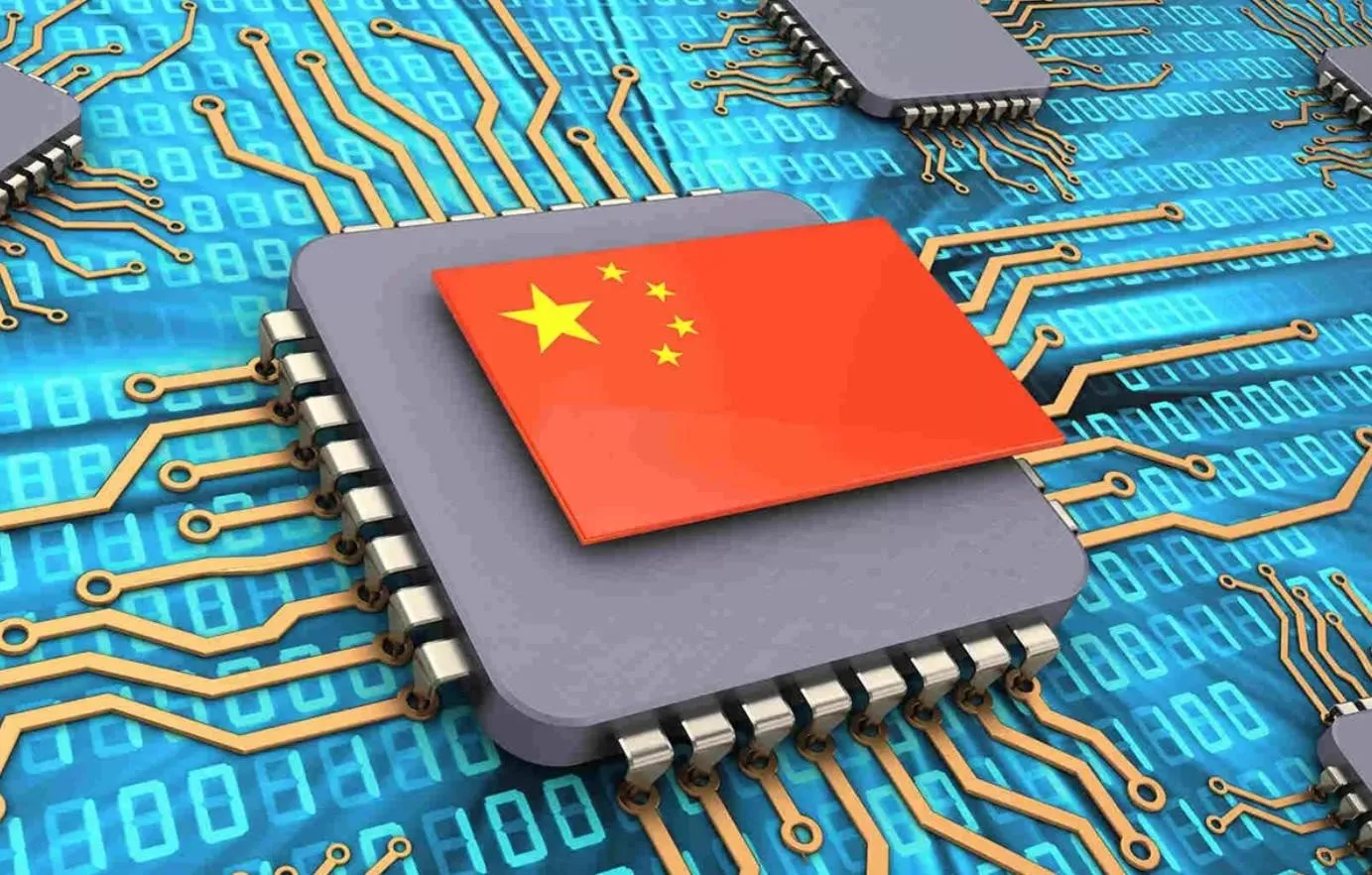
However, there is a huge difference between manufacturing a thousand locally produced drones and producing hundreds of thousands of drones every month.
True independence requires dozens of companies that can consistently produce electronics, cameras, motors, batteries, radio systems, and materials. They must have long-term orders, accessible financing, and guarantees of demand after the war ends.
Until this is achieved, a sudden ban on Chinese components could weaken rather than strengthen the Ukrainian military. Drone production would decline, prices would rise, and the military would receive fewer drones.
Therefore, a realistic strategy should consist of two parallel processes. Chinese components should be used where no viable alternatives are currently available. At the same time, the government and European partners should invest in Ukrainian production lines, rather than simply paying for imports.
Ukrainian manufacturers are already seeking alternatives in other Asian countries. In June 2026, Reuters reported that Ukrainian companies are increasingly collaborating with suppliers from Taiwan and Japan, where cameras, microelectronics, and other critical components are manufactured.
This will not allow for an immediate replacement of China, but it could reduce the risk of a complete halt in production due to a political decision by Beijing.




