
NASA will study the total solar eclipse on August 12 from an airplane and hot air balloons
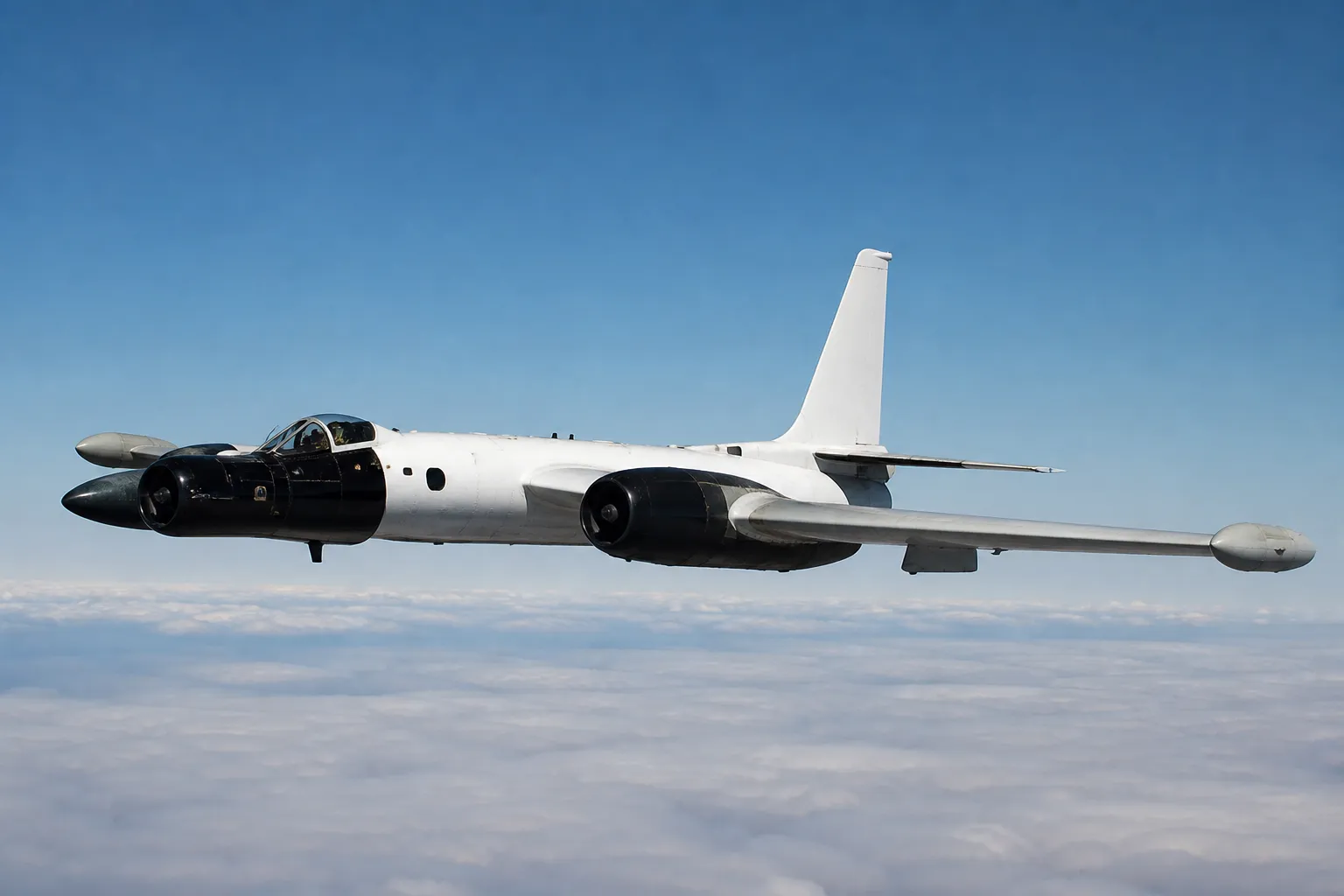
NASA plans to study the total solar eclipse on August 12 using the WB-57 high-altitude research aircraft and balloons. The aircraft will follow the moon’s shadow, allowing the agency to collect data for a longer period during the eclipse, according to Space.com.
Four cameras are mounted in the nose cone of the WB-57. They will capture images of the solar corona’s structures, material flows, and changes within it. The data collected could help scientists better understand the connection between the material in the corona and the solar wind.
Kelly Corre, manager of the solar eclipse program at NASA headquarters in Washington, noted that a total solar eclipse offers scientists a unique opportunity to study the Sun’s outer atmosphere, or corona, from Earth. According to her, the Sun affects people’s daily lives, as well as satellites and astronauts in space.
For more breaking news, follow the UA.News Telegram channel.
At the same time, the Nationwide Eclipse Ballooning Project, supported by NASA, will coordinate the launch of balloons. The teams will study ozone levels in the atmosphere during the eclipse, as well as the effect of the temporary darkening of the sky on the Earth’s boundary layer, which varies depending on air temperature and humidity.
The project is led by Angela De Jarden of Montana State University. Students from universities in the U.S., Iceland, and Spain will participate in the research. Research aircraft and balloons were already used to collect data during the total solar eclipse on April 8, 2024. The new observations will build on the experience from that campaign to refine measurement methods.


