
Ai4 participants called for maintaining the openness of AI technologies
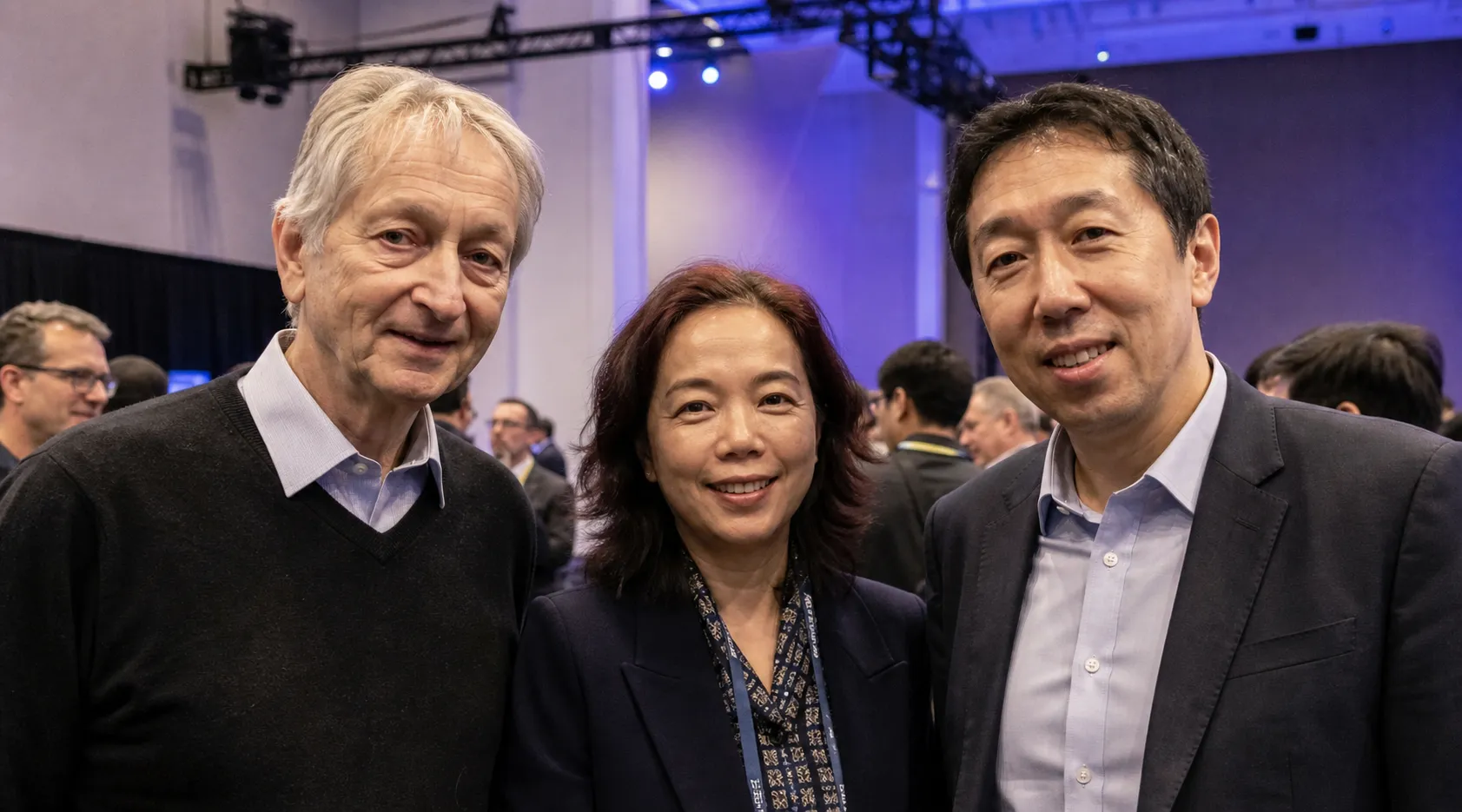
Nobel laureate Geoffrey Hinton, World Labs CEO and co-founder Fei-Fei Li, and Coursera co-founder Andrew Ng discussed the accessibility of artificial intelligence models, the risks associated with their use, and the need for regulation. Despite differences in their specific approaches, all three spoke in favor of maintaining a certain level of openness in the field of AI and against concentrating control over the technology in the hands of a few large companies, according to TechCrunch.
Andrew Ng stated that he does not want to see the emergence of “gatekeepers” for AI, as this would limit people’s ability to use the technology. In his view, having multiple providers and competition among models and companies can prevent a small number of players from dominating the market. He also noted that cheaper models will have an advantage for business adoption.
Ng expressed concern that open-source models from China could become widespread in Asia, Africa, and developing countries. In his assessment, this could influence how billions of people receive information about democracy, freedom, and human rights. He called for supporting U.S. competitiveness and the development of open-source AI software.
For more breaking news, follow the UA.News Telegram channel.
Hinton distinguished between open-source software and models with open weights. Open-source code allows the program to be verified and modified, whereas open weights refer to the public release of the parameters of an already trained model. The researcher said he had previously opposed the dissemination of open weights, as this could facilitate the use of expensive foundational models for malicious purposes, particularly cyberattacks.
At the same time, Hinton acknowledged that models with open weights have already become an integral part of the industry, and the barrier posed by the high cost of training foundational models has disappeared. He added that AI can boost productivity and improve education and healthcare, but considered concerns about the potential negative consequences of the technology’s development to be justified.
Fei-Fei Li objected to the dichotomy of either complete openness or complete closedness. She cited nuclear physics as an example: scientific papers are published openly, while uranium is regulated. In her view, different components of the AI ecosystem can have varying degrees of openness—in scientific research, education, international cooperation, and commercial products. The panelists agreed that some regulation is necessary to ensure that AI development benefits humanity.




