
Hugging Face’s Microduck robot duck has sold more than 10,000 units
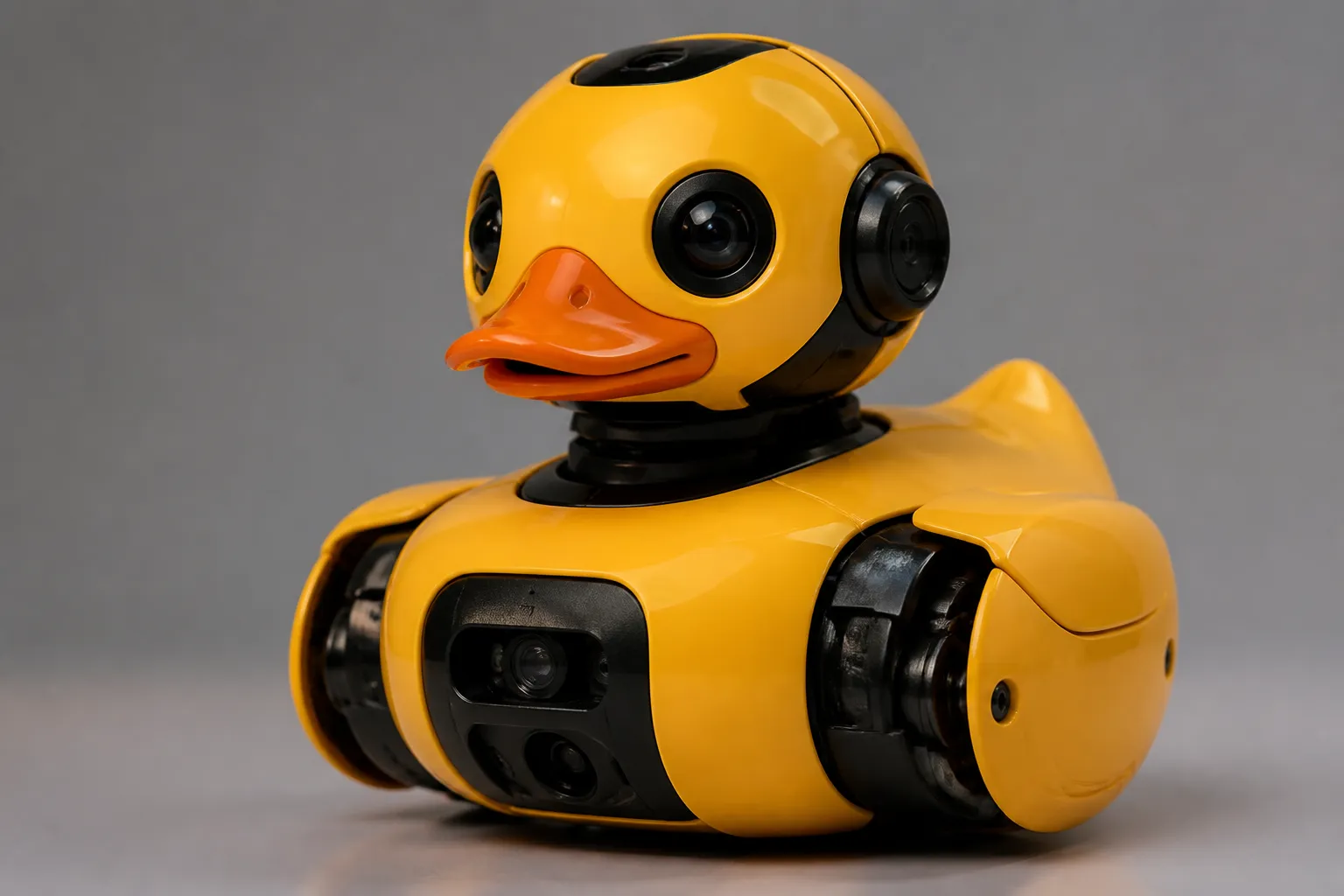
The programmable duck-shaped robot Microduck, created by Hugging Face’s French subsidiary Pollen Robotics, has sold more than 10,000 units since its launch last week. According to CNBC Top News, at a price of $399 per device, this corresponds to revenue of more than $4 million. High demand has also delayed deliveries of new orders beyond the initially promised deadline of Christmas 2026.
Rockchip chip in the robot
Microduck weighs 800 grams and combines the functions of an interactive consumer toy and a development platform. The robot is equipped with sensors, motors, and a Rockchip RK3566 computing module, which enables data processing directly on the device.
According to Rockchip, this chip uses technologies licensed from British semiconductor company ARM. Omdia chief analyst Lian Jye Su called China’s Rockchip an important supplier of components for artificial intelligence that operates on devices rather than in the cloud. He noted that its chips are often used in machine vision systems for object detection and image recognition.
More current news is available on the UA.News Telegram channel Telegram.
At the same time, the analyst stressed that these chips are not designed for complex edge AI devices because of limited computing resources. Processing data on the device itself can allow smartphones, robots, and other electronics to run generative AI tools without transmitting data over the internet.
Open-source software
The developers state that, thanks to open-source software, Microduck can learn from virtual simulations and perform tasks based on specified goals. This is the second robot from French startup Pollen Robotics, which Hugging Face acquired last year. The previous robot, created by Hugging Face and Pollen Robotics and introduced last spring, also sold more than 10,000 units, Pollen Robotics said.
Last month, Rockchip reported that it increased operating revenue by 40% year-on-year in the first half of the year, to 2.88 billion yuan, or $428 million. The company’s net profit excluding one-off items rose by more than 60%.


