
A solid-state battery capable of operating for over 1,300 hours has been developed in Japan
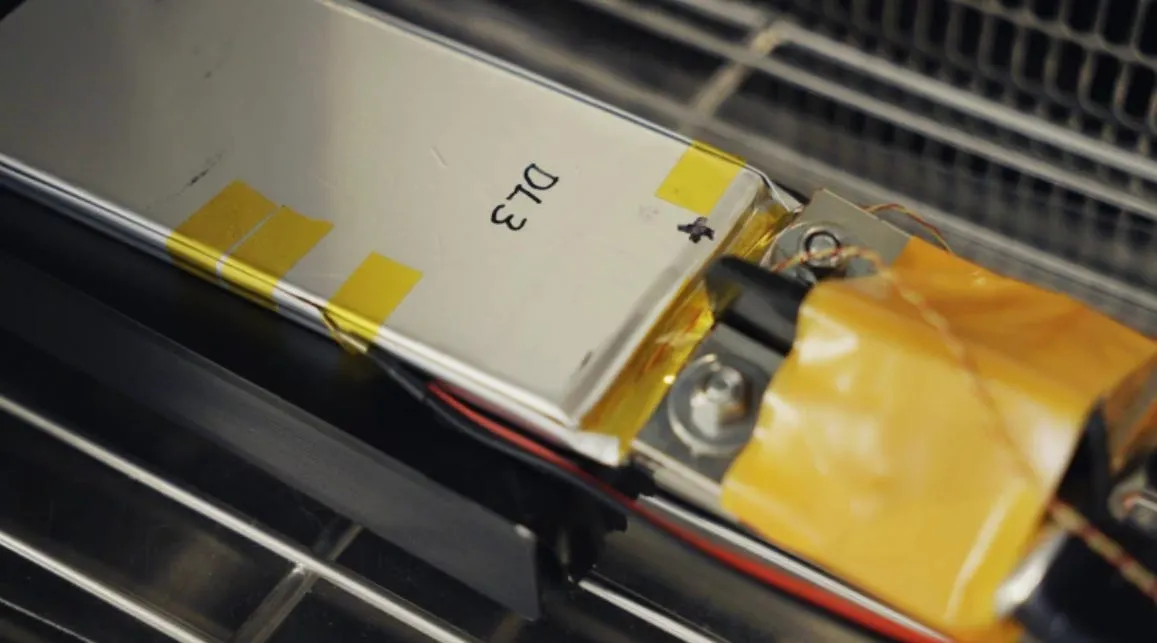
Researchers at Tohoku University have developed a magnesium-tin alloy anode that enables solid-state batteries to operate for over 1,300 hours without a noticeable loss of capacity, potentially extending their lifespan significantly compared to traditional solutions.
The results of this successful research were published in the journal ACS Energy Letters.
The engineers’ main achievement lies in their ability to turn harmful chemical reactions—which typically destroy the battery from the inside—into a beneficial mechanism. Previously, undesirable processes at the interfaces between components significantly reduced the performance of the batteries and limited their use.
However, Japanese scientists have demonstrated that by carefully controlling these reactions rather than suppressing them, it is possible to significantly improve the movement of magnesium ions within the system and ensure its long-term stability.
Adding tin to magnesium allowed for the creation of a stable compound that effectively balances chemical activity and ion transport both on the surface and in the deep structures of the anode. Thanks to this, during charging and discharging, the material deposits evenly, millimeter by millimeter. During testing, the optimized alloy demonstrated uninterrupted operation for over 1,300 hours.
In the future, solid-state batteries are expected to replace common lithium-ion technologies due to significantly lower production costs and increased safety, as replacing the flammable liquid electrolyte with a stable solid material completely eliminates the risk of fire.
Scientists are confident that the interphase layer design strategy they have developed will be successfully applied to other types of next-generation chemical batteries as well.
Previously, the Japanese Hayabusa-2 probe delivered organic compounds from the asteroid Ryugu. And NASA researchers detected organic compounds, including sugar molecules, in samples brought back from the asteroid Bennu.
The Curiosity rover has identified more than 20 types of organic molecules, including a nitrogen-containing compound structurally similar to the building blocks of DNA.




