
Scientists have revived an animal that froze to death 24,000 years ago – video
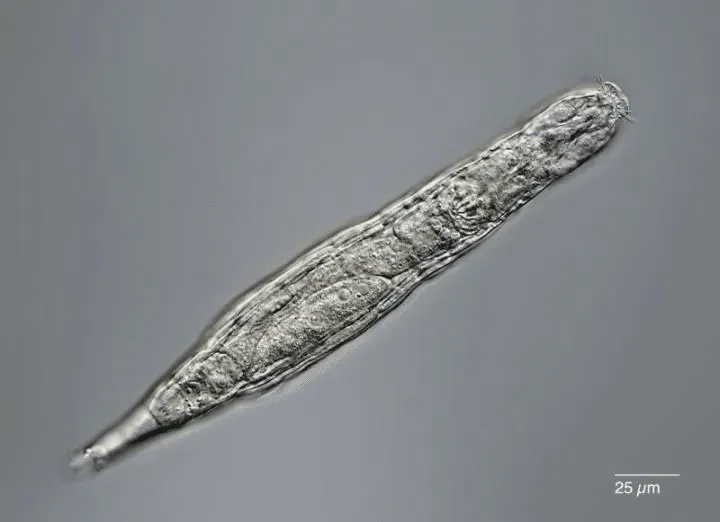
A microscopic multicellular animal—a rotifer—that had been in a state of deep freeze since the Late Pleistocene era was successfully revived and began to reproduce. The organism was extracted from the ice layers of the Yedom Formation in Siberia, where it had been preserved in a state of cryptobiosis for 24 millennia.
This was reported by IDR, noting that after thawing, the creature demonstrated full biological activity and the ability to reproduce asexually.
Researcher Stas Malavin emphasized that this discovery is the most compelling evidence of the ability of complex organisms with intestines and rudimentary brains to survive tens of thousands of years with their metabolism almost completely halted. Scientists determined that the sediment layers in which the rotifer was found froze relatively quickly and never thawed, which allowed the cellular structure to remain intact. The success of the experiment expands our understanding of the limits of multicellular animals’ endurance and provides a boost for the development of cryobiology and medicine.
Although technology for freezing mammals does not yet exist, the transition from reviving single-celled organisms to complex microscopic organisms is considered a significant step forward in science. Studying the mechanisms by which rotifers protect their cells from ice and radiation could aid in planning future space missions. Currently, scientists continue to monitor the population of revived organisms in laboratory conditions, investigating their genetic stability following a millennia-long hiatus in the Russian Federation.
Researchers from the American company Colossal Sciences plan to revive the woolly mammoth species, which went extinct about 4,000 years ago. The first mammoth could be born after a 22-month gestation period in 2028.
Since the extinction of mammoths, their ecological niche in nature has remained unfilled, causing the permafrost to thaw and greenhouse gases to be released.


